
By Chima Phillips-
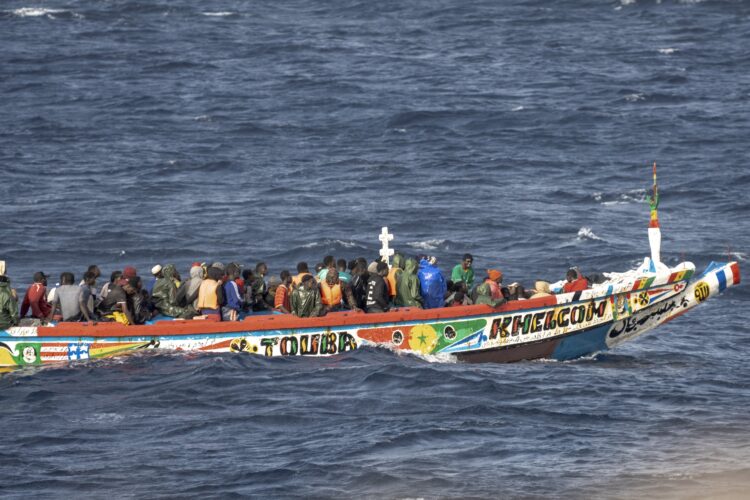
A deadly maritime disaster has unfolded off the coast of The Gambia, where a boat carrying approximately 200 migrants capsized overnight, leaving at least seven people confirmed dead and scores of others missing.

AD: Capeesh Restaurant
Rescue operations involving naval vessels and fishing boats plunged into action early on Thursday, yet the scale of the tragedy remains vast as crew members continue to search for survivors. At least 96 people have been rescued, with many taken to hospitals and military facilities for medical treatment. Among those pulled from the water, several remain in critical condition, receiving urgent care as authorities work to stabilise them.
The Defence Ministry confirmed that more bodies may surface as search efforts intensify, and the identities of some of the deceased are being verified, with several victims believed to be non-Gambian nationals. The boat was later found grounded on a sandbank, evidence that the vessel overturned before drifting to a shallow area.
The tragedy underscores the immense dangers faced by those attempting irregular migration across the Atlantic Ocean in search of better opportunities.

AD: Oysterian Sea Food Restaurant And Bar
Many of the migrants are believed to have departed from various parts of West Africa, seeking to reach European shores through the Canary Islands route one of the most perilous migratory paths in the world. In recent years, large numbers of people have set out in fragile and overcrowded boats, driven by economic hardship, political instability, or hope for improved conditions abroad.
Local authorities and international observers have repeatedly highlighted that The Gambia has become a key departure point for migrants hoping to reach Europe’s Atlantic archipelago. The journey is long, difficult and undertaken in vessels that are often not seaworthy, exposing passengers to extreme ocean conditions.
While departures from northern routes such as Senegal and Mauritania have been more common in earlier years, strengthened maritime controls in those regions appear to have shifted departure points further south lengthening the dangerous voyage.
In the wake of Thursday’s incident, questions are emerging about how international organisations and regional governments can work together to protect vulnerable migrants and prevent similar tragedies in the future.
While final casualty figures are not yet known, the sheer number of passengers aboard the boat, and the number yet unaccounted for, suggest that the death toll could rise significantly as search and recovery efforts proceed.
Survivors of the capsizing have shared harrowing accounts of the moment the vessel overturned, struggling in rough waters as others fought to stay afloat.
This latest tragedy is part of a larger pattern of dangerous maritime migration on the Atlantic route a path that has been used increasingly despite obvious risks.
In 2024, nearly 47,000 irregular migrants reached the Canary Islands, according to a European Union report, and estimates from aid groups indicate that more than 9,000 migrants died attempting the crossing that year alone.
These figures highlight an ongoing humanitarian crisis as economic struggle and global inequality continue to push people toward perilous journeys across treacherous waters. Search and Rescue Efforts Underway, Broader Implications Revealed
The Gambian Navy has taken the lead in search and rescue operations, dispatching vessels to scour waters near the North Bank region where the boat sank. Fishing boats from the local community also joined the effort, lending manpower and knowledge of coastal waters as desperate attempts continue to locate missing passengers.
Yet, even with naval support, locating individuals in vast open ocean spaces remains an enormous challenge, complicated further by darkness, shifting currents, and possible delays in reporting.
Medical teams in Banjul, the capital, have been alerted to care for survivors who suffered from prolonged exposure, dehydration, hypothermia and deep bruising from the chaotic overturning of the vessel.
Transport to hospitals and naval bases has been arranged, but capacity constraints and injuries among those rescued are adding pressure to already limited health resources.
Some of the rescued passengers remain in critical condition as medics struggle to stabilise them, offering a stark reminder of the human cost tied to maritime migration disasters.
Human rights organisations and migrant support groups have responded with statements highlighting that irregular migration continues to claim lives annually, particularly on routes across the Atlantic and Mediterranean seas.
These groups call for expanded cooperation between nations, improved search and rescue infrastructure, and legal pathways for migration to reduce the need for individuals to risk life and limb on overcrowded boats.
Advocates argue that tragedies such as the Gambia capsizing reveal systemic issues that reach far beyond a single accident encompassing global economic disparities, conflict, climate pressures, and restrictive immigration policies in destination countries.
While data show fluctuating numbers of arrivals and deaths in recent years, the underlying motivations that push people toward dangerous journeys remain potent and unresolved.
The ongoing efforts in The Gambia also highlight the resilience and solidarity of local communities. Fishermen, security personnel and volunteers have worked side by side in the search for missing passengers, showing a collective commitment to saving lives whenever possible.
These efforts come at great emotional cost, however, as rescuers confront scenes of suffering and loss that can leave deep psychological impacts. Families of missing migrants have gathered near ports and aid stations, awaiting news that could determine their future awareness of loved ones’ fates.
Analysts point out that tragedies on the Atlantic route are part of a broader migration pattern linked to global inequality and geopolitical pressures that drive populations toward irregular movement.
Without comprehensive solutions that address root causes, enforcement and rescue operations alone cannot halt the flow of migrants attempting dangerous crossings.
Both African and European governments face difficult decisions about how to balance border security, humanitarian obligations, and economic opportunity in an interconnected world.

AD: Heritage And Restaurant Lounge Bar