
By Bobby Chacko-
Northern India is in the grips of severe winter weather that has plunged large swathes of the region into near‑standstill conditions, triggering official alerts, disrupting travel, and straining daily life.
Over the past several days, dense fog has blanketed cities and plains from Punjab to Uttar Pradesh, while cold wave conditions deepen and meteorologists warn of continuing harsh conditions across the plains and Himalayan foothills.

AD: Capeesh Restaurant
The impact has been felt from major international airports to rural highways, prompting government advisories, airline warnings, and widespread inconvenience for residents and travelers alike.
The India Meteorological Department (IMD) has issued widespread alerts for dense fog, cold wave conditions and snowfall across northern India, emphasising that the severe winter weather pattern is likely to persist in the coming days.
Urban centres including the national capital region have seen visibility drop to dangerously low levels in the early mornings, dramatically affecting transportation networks and prompting authorities to urge caution among commuters.

AD: Oysterian Sea Food Restaurant And Bar
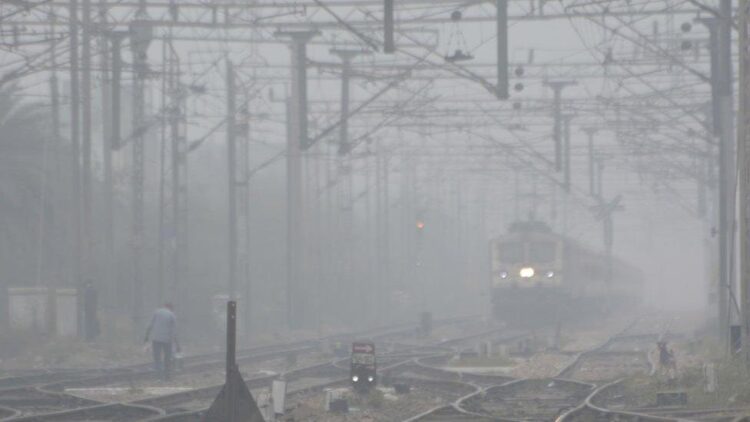
The thick fog has transformed familiar landscapes into ghostly scenes of mist and shadow, with iconic landmarks obscured and busy roadways reduced to sluggish corridors of motion. In the Terai region of Uttarakhand, visibility fell to as little as 20 to 30 metres on Tuesday morning, leaving highways eerily quiet as residents opted to stay home.
Traffic authorities in these regions have issued advisories urging drivers to use fog lights, slow down, and avoid non‑essential travel during peak fog hours.
Amid the atmospheric upheaval, air travel has been one of the most immediately affected sectors. Dense fog and low visibility have forced flight cancellations and delays across major northern airports, with Delhi’s Indira Gandhi International Airport (IGIA) among the worst impacted.
Airlines and airport authorities have been issuing travel advisories, urging passengers to check flight statuses and prepare for schedule changes caused by the unpredictable weather.
Flight operations at IGIA suffered significant disruptions, with numerous departures delayed and several cancellations linked directly to poor visibility. Routes to and from Lucknow, Varanasi, Ayodhya and other major cities in Uttar Pradesh were particularly hard hit, with some flights diverted to alternate airports.
Similar issues were reported at other northern hubs, underscoring how pervasive the impact of the winter fog has been across the region’s aviation network.
The disruption is not limited to the skies. Dense winter fog has also slowed road traffic and complicated rail travel across several states. Reduced visibility on rural and urban highways has prompted police and transport departments to restrict travel during the worst hours of fog, while long‑distance trains have faced delays and rescheduling as rail operators adjust timetables to account for slower travel conditions.
In Delhi and the surrounding National Capital Region, the combination of fog and persistent cold has also compounded air quality concerns.
Although recent winds have helped slightly improve conditions from “severe” to “very poor” air quality indexes, particulate pollutants remain high and contribute to respiratory discomfort among residents, particularly vulnerable populations such as children and the elderly.
Local government bodies have responded with a range of measures aimed at mitigating the impacts of the severe weather pattern. Traffic police have implemented special protocols for highways during periods of low visibility, while municipal agencies have coordinated with health departments to advise citizens on protective measures against cold‑related health issues.
The IMD’s alerts also point to expected snowfall in higher altitude regions, from Himachal Pradesh to the higher reaches of Uttarakhand and Kashmir, which will add another layer of complexity for travel and transportation in those mountainous states.
Snowfall at elevation can lead to blocked passes and dangerous road conditions, and authorities in these areas have already begun preparing for winter maintenance and emergency response efforts as conditions cool further.
Trains traversing the plains and hilly terrain have been running behind schedule, with travel advisories in place to inform passengers of likely disruptions.
Railways officials have attributed delays to both low visibility and colder than usual ground temperatures that affect signalling and track conditions, necessitating cautious operations in the affected corridors.
The economic impact of the severe winter weather is beginning to ripple through local communities. Small businesses that rely on morning markets and commuter traffic have reported reduced footfall as residents defer travel during the worst of the foggy conditions.
Agricultural sectors that depend on stable winter weather for harvesting certain crops are also watching the forecasts closely, as prolonged cold and moisture could affect both yield and transport efficiency.
Public health authorities have issued warnings about the potential for increases in cold‑related ailments, including influenza and other respiratory infections.
Clinics and hospitals in northern states are bracing for a surge in patients as temperatures continue to plunge, and health advisories recommend that individuals wear appropriate winter clothing and limit time outdoors during the coldest hours of the day.
The IMD’s outlook suggests that cold wave conditions will persist across northern plains, with night and early morning temperatures remaining well below seasonal averages. Persistent fog is forecast to continue in many areas, maintaining travel disruptions and community challenges until weather systems shift toward seasonal norms later in December.
Meteorologists attribute the current severe winter weather pattern to a combination of atmospheric dynamics, including western disturbances low‑pressure systems that move in from the west and bring moisture and temperature shifts and stagnant air masses that trap cold air near the surface.
These conditions are typical of the mid‑winter period but have intensified this year, producing unusually dense fog across wide geographic areas.
For residents of Delhi and neighbouring states, the winter chill is now part of daily life. Commuters are forced to factor in extra travel time or cancel plans altogether when conditions deteriorate, while those reliant on early‑morning flights or trains are advised to monitor weather and service updates closely.
The persistent winter grip has reshaped routines, underscoring the stark effects that seasonal weather can have on mobility and public life in one of the world’s most densely populated regions.
The message from meteorological and transportation officials is unchanged as both citizens and authorities adjust to the ongoing severe weather: be ready for ongoing disruptions, make flexible travel plans, and use caution when navigating the dense fog and cold wave conditions that are sweeping across northern India.

AD: Heritage And Restaurant Lounge Bar