
By Ben Kerrigan-
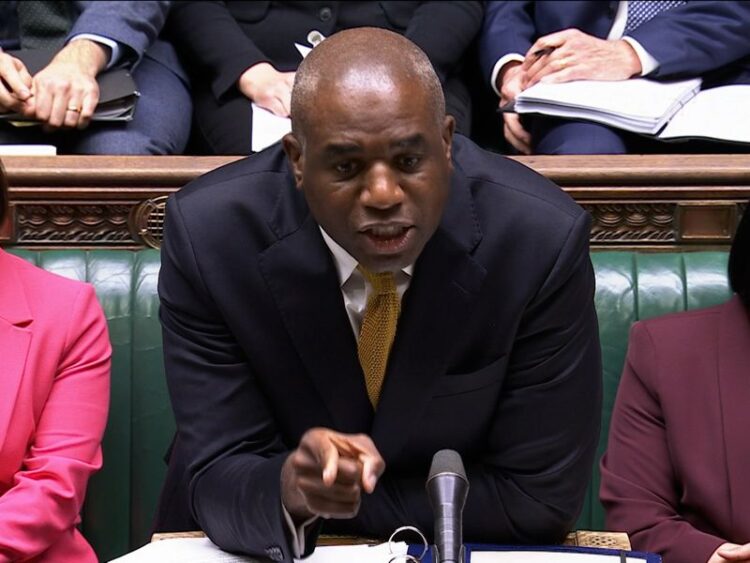
Twelve additional inmates were mistakenly freed from prisons across England and Wales last month, the David Lammy led Ministry of Justice tday confirmed, underscoring a mounting crisis in the criminal‑justice system. Among them, at least two individuals remain at large, prompting alarm from politicians, victims’ campaigners and prison‑reform advocates.
The string of blunders comes after a tumultuous autumn in which multiple high‑profile “release‑in‑error” cases dominated headlines including the accidental freeing of a convicted sex offender and other criminals who should never have been released.

AD: Capeesh Restaurant
While officials point to new checks and investments in technology, critics argue that the consistent cascade of mistakes reveals a system under extraordinary strain one struggling to manage even basic tasks such as detaining and releasing individuals correctly.
Recent data show that the number of release‑in‑error cases has surged dramatically. In the 12 months to March 2025, 262 prisoners were released in error, more than double the 115 slips recorded the previous year. Between April and the end of October alone, 91 such cases occurred.
This latest admission that another dozen prisoners have been freed accidentally brings the total this year to 103. a shocking figure that many fear underestimates the full scope, given incomplete reporting and the often delayed detection of errors.

AD: Oysterian Sea Food Restaurant And Bar
Among those mistakenly released last month were individuals from high‑security establishments. The errors ranged from clerical errors and faulty sentence calculations to transfers being improperly processed. These are consequences often of a system still reliant on outdated paperwork and fractured communication between courts, prisons and probation services.
Two cases recently ignited public outrage. One was an inmate convicted of sexual offences who was released from custody instead of being transferred to a detention centre, while a 45‑month convicted fraudster was freed the same day he was sentenced, only to surrender voluntarily days later.
Officials say neither of the two still at large are classified as violent or sexual offenders. But the mere fact that individuals sentenced to custody can vanish because of paperwork failures has triggered a groundswell of criticism. Many regard these incidents not as isolated accidents but as symptoms of a system verging on collapse.
In response, the government has announced new measures: a £10 million investment in technology and artificial‑intelligence tools to help frontline staff avoid errors, establishment of a fast‑response courts hotline and enhanced release checks across the prison estate.
But even senior figures in the prison service warn there is “no silver bullet.” The system is buckling under factors including overcrowding, staffing shortages, high turnover and an outdated IT infrastructure.
The repeated failures by the prison system to detain individuals correctly or ensure they remain in custody are badly eroding public trust. In communities where released offenders have committed further crimes or simply vanished, victims and residents say the system has failed them. After one prisoner’s release triggered panic among a 14‑year-old victim and her family, authorities faced sharp criticism.
Critics argue that the growing frequency of errors has transformed what might once have been considered rare administrative mishaps into a pattern of systemic failure. Commentators point to decades of underfunding, mismanagement and insufficient staff training, saying that without comprehensive reform, similar mistakes will continue maybe even increase.
Some former inmates have backed up those warnings. One former prisoner from a major London jail said accidental releases were “common” during his time inside, suggesting that the flaws go well beyond recent years. In Parliament, opposition politicians have demanded immediate resignations and full accountability. Others have called for urgent reforms including modernising records systems, upgrading safety protocols, and an independent inquiry into how such repeated blunders have been allowed to occur.
Meanwhile, authorities insist they are working to restore public confidence. Lammy told MPs last month that the mistakes are “unacceptable,” promising a radical overhaul of release procedures, closer performance monitoring and a new monthly “justice performance board” to oversee progress.
Yet for many observers, the measures come too late and may not be enough. A system still operating under severe pressure may simply struggle to implement reforms at the pace required.
Why the pressure is so much as to defeat the wider purpose of justice altogether remains a question for politicians to answer. Every prison is meant to have efficient systems to manage its data set.
Beyond politics, the crisis raises serious questions about safety, accountability and the integrity of the justice process. Mistakes like sentencing miscalculations, lost warrants and mis‑filed paperwork might once have seemed unlikely; now they are made with alarming frequency.
Public safety, advocates say, must come first. Until the system can guarantee prisoners are released only when they should be and that all procedures are transparent, consistent and traceable many will view any release in error not as a slip but as an unacceptable failure.
In that context, the latest batch of mistaken releases seems to be more than just a scandal. It presents a serious warning. Without clear, decisive reform and sufficient resources, the pressure mounting on the prison system risks turning from crisis to collapse.

AD: Heritage And Restaurant Lounge Bar