
By Aaron Miller-
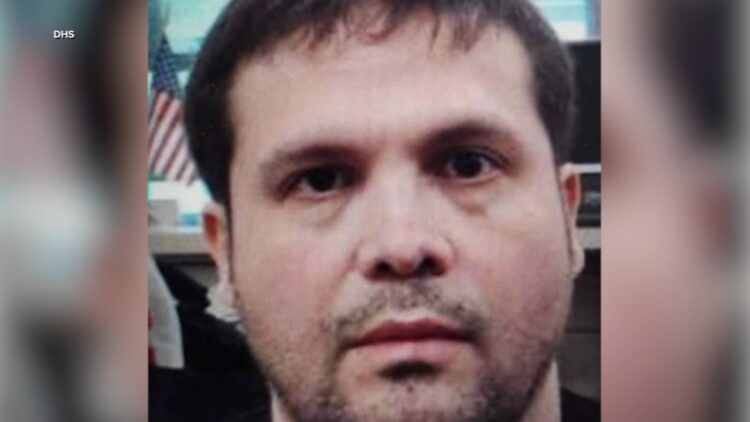
In a federal courtroom in Chicago on Monday, Joaquín Guzmán López, a son of the infamous Mexican drug kingpin Joaquín “El Chapo” Guzmán, entered a guilty plea to U.S. drug-trafficking charges, marking a pivotal moment in the long-standing battle against the narcotics empire his family once commanded.
The plea, part of a larger agreement with prosecutors, comes after months of speculation about whether the members of the cartel’s next generation known locally as Los Chapitos would face consequences for their alleged role in overseeing a sprawling international narcotics operation.

AD: Capeesh Restaurant
The hearing, held under tight security, drew renewed attention to the cartel’s operations, alleged smuggling networks, and the human toll of the drugs funneled into the United States.
Joaquín Guzmán López, 39, confessed to two counts of drug trafficking and one count of running a continuing criminal enterprise. Prosecutors detailed that he had played a central role in coordinating the production and smuggling of massive quantities of illicit drugs including cocaine, heroin, methamphetamine, marijuana and the synthetic opioid fentanyl from Mexico into the United States, often utilising underground tunnels, aircraft and a web of transport networks.
Evidence presented in court also included allegations of violence, intimidation and money-laundering schemes involving bulk cash transfers, wire transfers, and trade-based laundering, orchestrated to conceal the cartel’s illicit proceeds.

AD: Oysterian Sea Food Restaurant And Bar
Guzmán López admitted the enterprise engaged in violent tactics to protect its operations from law enforcement and rival traffickers.
The plea deal which followed a similar guilty plea earlier this year by his brother Ovidio Guzmán López could spare him a life sentence that prosecutors might otherwise have sought under the severe charges he initially faced.
Instead, under the agreement, Guzmán López faces a minimum of ten years’ imprisonment. A money-forfeiture judgment of $80 million was also entered, representing the proceeds of his crimes.
In court, when asked by the judge what he did for work, Guzmán López replied simply: “Drug trafficking.” The courtroom responded with a wry, chilling remark.
Defense attorneys emphasized that the agreement with U.S. authorities came without interference from Mexican officials. Prosecutors, in turn, underscored that the case represents a major step in holding leadership of the Sinaloa cartel accountable for the deadly flow of opioids and other narcotics into the United States.
Implications for the Cartel, the U.S. Opioid Crisis and Future Enforcement
The plea underscores the significant pressure U.S. law enforcement agencies are mounting against organized drug trafficking networks. Authorities argue that dismantling leadership at the top could disrupt the distribution channels responsible for much of the fentanyl and other illicit drugs entering the U.S.
By admitting to his role in coordinating shipments into American cities, Guzmán López has provided prosecutors with an opportunity to understand and potentially unravel parts of a vast network that has contributed heavily to overdose deaths and addiction.
The case also highlights the international dimension of the narcotics trade. Much of the operation reportedly involved cross-border logistics moving precursor chemicals and finished drugs from Mexico into the United States via tunnels, rail, vehicles and aircraft. Once inside the U.S., the narcotics were distributed through networks that stretched across state lines.
Financially, proceeds were laundered using a range of methods including bulk cash, wire transfers, commerce, and cryptocurrency, before being sent back to cartel leaders in Mexico.
Observers note that the plea could have a domino effect. More cartel members may decide to cooperate rather than face mandatory life sentences. The guilty plea from a high-ranking figure within Los Chapitos sends a clear signal that even those long thought untouchable are vulnerable a calculated blow to the organization’s morale and perceived immunity.
Some law-enforcement experts speculate that this could reshape dynamics within the cartel as distrust grows internally, especially if further pleas or testimonies follow.
At the same time, critics caution that a plea deal does not guarantee true accountability. Although Guzmán López has admitted major trafficking crimes, concerns remain about ongoing cartel operations, fugitive family members, and whether the infrastructure enabling drug flows will be dismantled.
The collapse of one node of the network does not necessarily collapse the network itself especially when other cartel figures remain at large.
Still, the outcome reflects a strategic shift in prosecutorial focus: targeting not only street-level distributors, but the financial backers and coordinators at the highest level. This approach aims to stymie supply, disrupt money laundering channels, and reduce the cartel’s capacity to operate with impunity.
The repercussions extend beyond courtroom walls to communities devastated by the fentanyl crisis. As one of the cartel’s acknowledged architects of drug flows into the United States, Guzmán López’s admission may provide law-enforcement and public-health officials with evidence to trace now-decades-old drug routes, identify money laundering networks, and understand cartel modus operandi tools that could inform prevention strategies and future prosecutions.
Experts also believe the plea could have diplomatic implications. Relations between the U.S. and Mexico have often been strained over extradition, cartel violence and cross-border drug trafficking. Mexican officials had long resisted collaborating in certain aspects of U.S. prosecutions, particularly those involving extradition of high-profile cartel members.
The fact that Guzmán López was extradited and has now pled guilty with Mexican authorities reportedly not interfering may signal a new phase of cooperation between the two countries in the war on drugs.
The spotlight will remain on the court’s sentencing hearing, which has yet to be scheduled. But the guilty plea itself marks a watershed moment in the multi-decade battle against the cartel’s power, influence, and deadly drug trade. It reflects the growing determination among U.S. prosecutors to hold powerful cartel figures accountable.

AD: Heritage And Restaurant Lounge Bar