
By Ben Kerrigan-
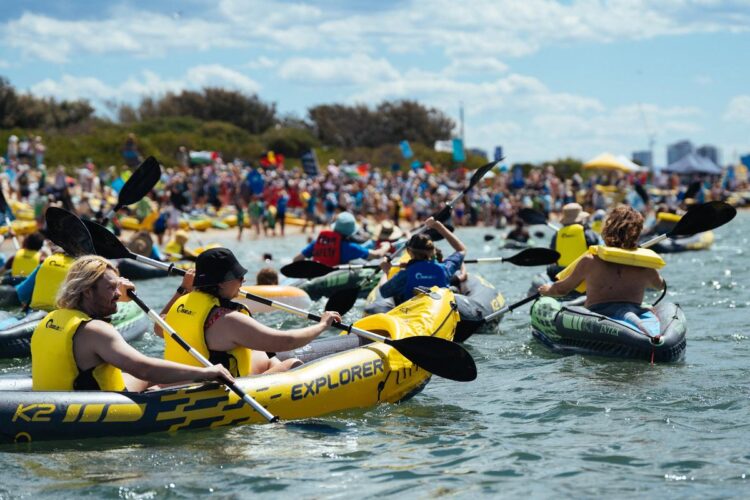
Hundreds of climate activists paddled into shipping lanes at the Port of Newcastle over the weekend, forcing temporary suspension of coal and cargo movements and triggering dozens of arrests. The action, led by the activist group Rising Tide and backed by Greenpeace Australia Pacific, was described as a “people’s blockade” aimed at drawing attention to Australia’s reliance on fossil fuel exports.
Authorities said they acted swiftly to restore safe passage after the disruption, but the demonstration has ignited fresh debate over environmental activism, economic risk and maritime security.

AD: Capeesh Restaurant
The disruption occurred Sunday morning when around 100 to 200 protesters estimates vary used kayaks and small watercraft to enter a designated exclusion zone in Newcastle Harbour. By midday the port operator, Port Authority of New South Wales, announced that inbound and outbound freight movements would be suspended.
Several coal carriers and a bulk vessel carrying alumina for a nearby smelter were forced to turn back or delay docking. The port said that the decision was based on safety concerns, as the presence of unauthorised vessels in shipping lanes posed a serious risk.
The protest came amid growing frustration among Australians disillusioned with what they see as insufficient government action on climate change. Organisers say the blockade was meant to highlight the scale of the country’s fossil-fuel exports particularly through coal and pressure policymakers to halt new coal and gas developments.

AD: Oysterian Sea Food Restaurant And Bar
Many protested not just against coal itself but for a broader “just transition” away from fossil fuels, calling for investment in clean energy and protections for workers in industries reliant on coal.
Authorities moved quickly to contain the protest. The police presence included water-police units, patrol boats and jet skis, and officers arrested 21 individuals on Sunday; this came after earlier arrests the previous day. Charged offences included entering a marine exclusion zone and breaching safety regulations.
Police said their actions reflected a zero-tolerance policy towards activities that endanger public safety and disrupt essential infrastructure.
The demonstration was part of an annual campaign by Rising Tide, which has transformed into what some observers call a “protestival” combining direct action on the water with public assemblies, live music, workshops and speeches.
This year’s event reportedly drew thousands to the Newcastle area, with participants ranging from seasoned activists to young students, retirees, and individuals from communities affected by extreme weather.
Supporters argue that such high-impact protest is necessary because traditional forms of lobbying and public pressure have failed to stop new coal and gas approvals in Australia. One of the stated goals of the blockade is to push for a steep tax on fossil fuel profits, greater investment in renewable energy, and a guaranteed phase-out of fossil fuel exports by 2030.
Protesters described the blockade as a form of civil disobedience non-violent but deliberately disruptive aimed at forcing political and social reckoning.
Backers of the protest claim the disruption was timed to coincide with global talks on climate change, hoping to draw international attention to Australia’s coal industry and the greenhouse-gas emissions it supports. In speeches from the shore, activists framed their actions as a moral imperative a stand against what they characterise as the ongoing exploitation of the planet for profit.
The symbolic power of kayaks blocking coal carriers resonated in media accounts, portraying the protest as grassroots, vulnerable and unequal to the industrial machinery it opposed.
For the time being, the Port of Newcastle says operations will resume from Monday morning, with general shipping movements, including freight and alumina deliveries, able to proceed as scheduled. In a statement, the port authority said the decision to pause traffic was “risk-based,” reflecting safety concerns and the need to protect both vessels and people.
Critics of the blockade voiced strong concern over the economic impact and the precedent being set. Representatives from the coal-mining sector and industry groups called the protest reckless, arguing it threatened jobs, supply-chain stability and Australia’s export revenue.
One mining-industry leader described the flotilla as an unlawful act of disruption that could harm regional economies.
Meanwhile, authorities have called for dialogue but emphasised that infrastructure and public-safety laws must be respected. The arrests this weekend follow a court decision earlier this year that overturned part of a previously imposed exclusion zone a legal battle that underlines the tension between right to protest and maritime regulation.
Some activists now prepare for legal challenges, and courts may face the largest collective climate-activism case in Australian history if all arrested protesters are charged.
The blockage over the weekend won’t be the end for the campaigners. Rising Tide organisers say the action will continue throughout the week, with more planned paddle-outs, demonstrations, and public activities targeted at increasing awareness.
They see this as part of a larger effort to compel structural change, even if they recognize that disruption has repercussions, such as arrests and possible penalties.
The protest at Newcastle has reignited national debate over fossil fuels, economic priorities and environmental responsibility. It laid bare the deep divisions within Australian society: between those who view coal exports as essential to economic livelihoods, and those who warn that continued reliance on fossil fuels threatens the planet’s future.
Amid a heated global climate debate, the kayaking blockade offered a vivid, disruptive image a flotilla challenging coal carriers, and calling on a country to reassess its course.

AD: Heritage And Restaurant Lounge Bar