
By Charlotte Webster-
Health experts across the globe are issuing renewed warnings about the dangers of processed foods, calling for urgent public-health interventions as new research reveals mounting evidence that these products significantly increase the risk of chronic disease, obesity, mental-health problems, and premature death.
As consumption continues to surge—from convenience snacks and sugary drinks to ready-to-eat meals and chemically preserved meats—nutritionists and medical professionals are urging governments, food manufacturers, and consumers to confront what some are calling one of the most pressing dietary crises of the 21st century.

AD: Capeesh Restaurant
Over the past four decades, global diets have undergone a dramatic transformation. With rapid urbanisation, busier work schedules, and the increasing affordability of cheap processed goods, packaged foods have replaced fresh produce in millions of households. Experts warn that this shift is now directly contributing to widespread health problems.
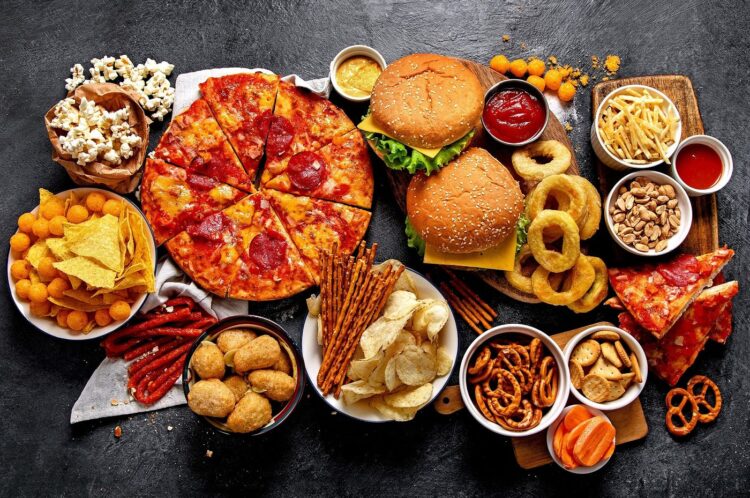
Researchers define “processed foods” as items altered during production through additives such as preservatives, sweeteners, artificial colours, stabilisers, emulsifiers, and flavor enhancers. The most concerning category—ultra-processed foods (UPFs)—includes items such as instant noodles, soft drinks, frozen pizzas, packaged cakes, processed meats, and many children’s cereals.
Nutrition scientists caution that these products often contain excessive levels of salt, sugar, unhealthy fats, and synthetic chemicals that the human body is not evolutionarily designed to process. While convenient, affordable, and palatable, they offer little nutritional value.

AD: Oysterian Sea Food Restaurant And Bar
Dr. Elaine McCarthy, a public-health nutrition specialist, says the risks can no longer be ignored. “The data is overwhelming. High consumption of processed foods is linked to heart disease, type 2 diabetes, colon cancer, obesity, and even depression. These are not minor associations—these are strong, consistent patterns across multiple international studies.”
Recent research published in various medical journals supports her warning. Studies reveal that people who consume large amounts of ultra-processed foods have a significantly higher likelihood of cardiovascular disease, high blood pressure, and metabolic dysfunction.
Alarming correlations have also emerged between highly processed diets and early mortality, especially in younger adults.
One of the most serious concerns involves the additives commonly used to improve flavour, appearance, and shelf life. Emulsifiers, artificial sweeteners, nitrates, phosphates, and food dyes are among the substances now being closely examined by researchers.
Some food scientists argue that while these additives are approved for consumption, the long-term effects—particularly when consumed daily—remain understudied. Critics point out that regulatory bodies historically evaluated additives individually rather than in combination, even though most consumers are exposed to dozens of chemicals in a single day.
Nitrates and nitrites, found in products such as bacon, hot dogs, and deli meats, are of particular concern. When consumed regularly, they can form carcinogenic compounds in the body. Artificial sweeteners found in diet sodas and low-calorie snacks have also been linked to disruptions in gut bacteria, potentially contributing to metabolic disorders.
Another growing area of research looks at the impact of emulsifiers—the compounds that give foods like ice cream, margarine, and salad dressing their smooth texture. Several studies suggest these substances may cause inflammation in the gut, which could lead to diseases such as Crohn’s and ulcerative colitis.
Despite these concerns, many additives remain legal due to limited long-term data. Health experts argue that the precautionary principle should apply: until an additive is proven safe, consumers should be protected, especially children, who are the primary consumers of many processed snacks.
Obesity Crisis Linked to Processed Food Consumption
The global rise in obesity is perhaps the most visible consequence of increased consumption of processed foods. In many countries, obesity rates have tripled since the 1970s, and ultra-processed foods are now estimated to account for more than half of the average person’s daily calorie intake in some Western nations.
One key reason for this is the design and formulation of processed foods. These products are engineered to be hyper-palatable—meaning they trigger powerful reward responses in the brain. Combined with aggressive marketing, especially targeting children, this creates patterns of habitual overeating.
Dr. Samuel Ortega, a metabolic-health researcher, explains: “Ultra-processed foods don’t just fail to satisfy hunger—they often increase cravings. They bypass the body’s natural satiety signals. You can easily consume 800 calories of potato chips or cookies without feeling full, whereas 800 calories of whole foods would leave you very satisfied.”
This imbalance contributes to weight gain, insulin resistance, and a rise in childhood obesity. In many countries, nutritionists say ultra-processed foods have replaced traditional diets in low-income communities, where fresh produce is either unaffordable or inaccessible. This creates an economic feedback loop where poverty drives unhealthy food choices, which in turn fuel poor health outcomes.
Although once overlooked, mental health is also becoming a major focus of research into processed foods. Several studies have found associations between high intake of ultra-processed foods and a greater risk of anxiety, depression, and cognitive decline.
Many researchers point to chronic inflammation caused by poor diet as a contributing factor. The gut and brain are deeply connected through the gut-brain axis, meaning inflammatory foods can affect mood, energy levels, and cognitive performance. Artificial chemicals, excessive sugar, and unhealthy fats can also disrupt gut microbiome balance, further influencing mental well-being.
Some studies even suggest that diets high in processed foods may increase the risk of dementia, though research in this area is still emerging. Nonetheless, mental-health professionals increasingly advise patients to modify their diets as part of holistic treatment plans.
As public awareness grows, governments are facing demands to regulate the processed-food industry more strictly. Some countries have implemented warning labels, sugar taxes, and restrictions on advertising to children. Others have placed limits on specific additives.
Brazil, for example, urges citizens to avoid ultra-processed foods altogether in its national dietary guidelines. Several European nations have introduced taxes on sugary drinks, while the World Health Organization (WHO) continues to push for stronger global standards.
Despite these efforts, many health advocates argue that current regulations are insufficient. They call for mandatory front-of-pack labelling, reformulation of products, restrictions on chemical additives, and incentives for producers to offer healthier options.
Public-health experts warn that without stronger intervention, the long-term economic burden from diet-related disease will overwhelm healthcare systems worldwide.
While regulatory changes may take years, nutritionists advise that individuals can still protect themselves through daily choices. They recommend reading ingredient labels, preparing meals at home when possible, reducing consumption of packaged snacks and sugary drinks, and prioritising whole foods such as fruits, vegetables, whole grains, lean proteins, and nuts.
Dr. McCarthy says: “Even small changes make a big difference. Replacing one processed meal a day with a whole-food option can dramatically improve your health over time.”
Experts also advise limiting the consumption of foods with long ingredient lists, especially those containing chemicals that are hard to pronounce or understand.
The warning from health experts is clear: processed foods pose significant risks to global health, and the urgency to address the problem has never been greater. With chronic illnesses rising at unprecedented rates, researchers argue that society must rethink its relationship with convenience-based eating.
As more evidence emerges, the pressure will likely intensify on governments, food manufacturers, and consumers to make meaningful changes. Whether the world responds now—or waits until the crisis deepens—may determine the health trajectory of the next generation.

AD: Heritage And Restaurant Lounge Bar