
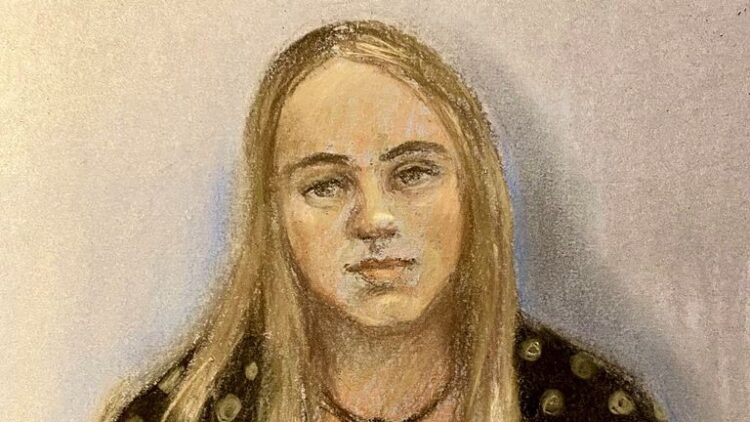
In highly charged evidence delivered remotely to Leicester Crown Court, Amelie McCann described the deeply unsettling actions of the alleged McCann family stalker, -year-old Julia Wandelt of Lubin, Poland. Ms McCann told the court the defendant was “desperate” to convince the family she was the missing Madeleine McCann, who vanished in from Praia da Luz, Portugal.
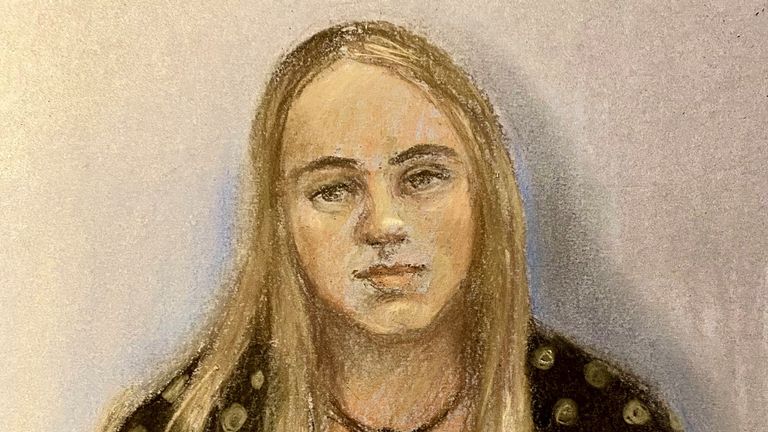
A court sketch by Elizabeth Cook, of Amelie McCann giving evidence at the trial. Pic: PA
The court heard Wandelt allegedly sent the -year-old numerous social media messages and letters, including one in January that ominously stated: “I know so many things. I don’t know if this is the real account for Amelie McCann but I can tell you my memories.”
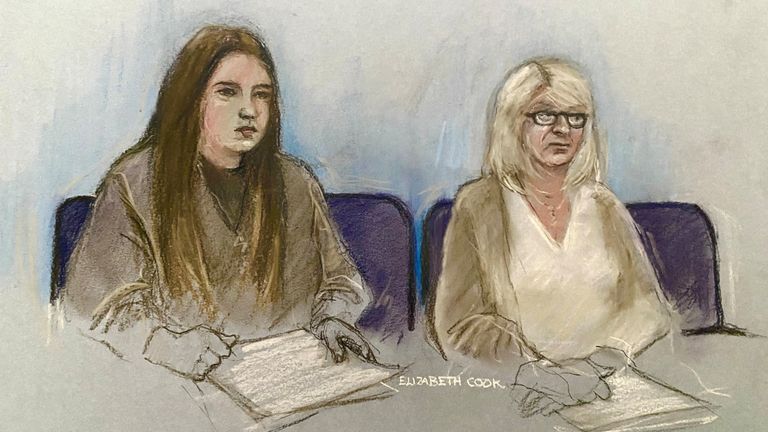
Julia Wandelt (left) and Karen Spragg at Leicester Crown Pic: Elizabeth Cook/PA
Ms McCann revealed that Wandelt had specifically claimed memories that included playing ‘ring-a-ring-a-roses’ as a young child. She found this claim “quite disturbing that she’s coming up with these supposed memories,” emphasizing the defendant was clearly not her sister. “It makes me feel quite uncomfortable because it is quite creepy she is giving those details and trying to play with my emotions,” Amelie McCann testified.

AD: Capeesh Restaurant
Wandelt also sent “persistent” messages to Amelie and her mother, Kate, urging them to take a DNA test to confirm her identity as Madeleine. The aggressive nature of the alleged McCann family stalker created significant distress for the entire family unit, forcing them to enhance security measures at their home.
A core element of the prosecution’s case rests on the presentation of “clearly altered or edited” images Wandelt allegedly sent to the family. Amelie McCann confirmed the defendant printed pictures of herself and Amelie, mailing them to the family’s home address, and later sent a side-by-side online image. Ms McCann told the court the images were manipulative: “She’d clearly edited the pictures to make me look more like her, which was disturbing.” She was certain the images had been changed, adding: “I didn’t look like that and I knew it had been changed.”
Furthermore, Ms McCann rejected the claims entirely, stating: “She is Polish and has Polish family who are her parents. It didn’t make any sense to me.”

AD: Oysterian Sea Food Restaurant And Bar
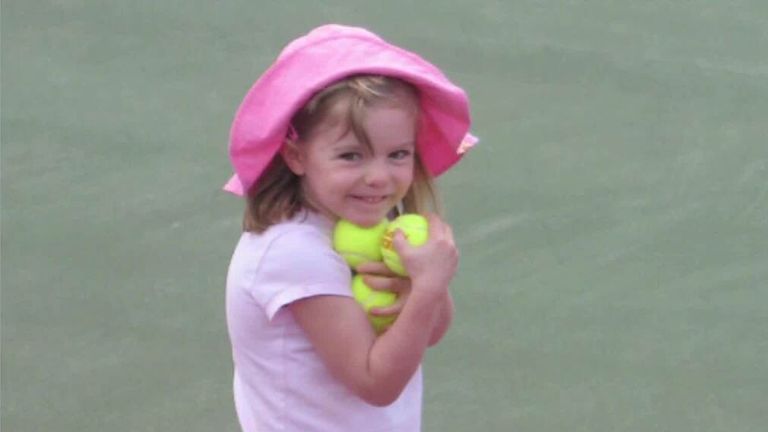
Madeleine McCann. Pic: Sky News
Amelie McCann’s testimony followed that of her parents, who spoke a day earlier about the distress they had felt, particularly after Wandelt and her co-defendant, -year-old Karen Spragg, allegedly turned up at their house last December.
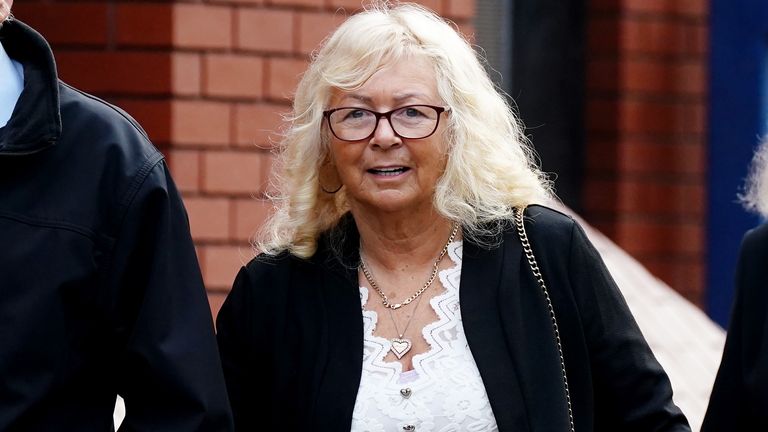
Co-defendant Karen Spragg. Pic: PA
Ms McCann detailed her own growing fear after receiving a message from Wandelt that allegedly stated she would “do whatever to prove my identity” as Madeleine. “It shows you the lengths she would go to, to try and get heard, which is a bit scary because you don’t know what she would do next,” Ms McCann said, highlighting the constant threat the alleged McCann family stalker posed. She confirmed blocking Wandelt on multiple social media sites, noting the toll the relentless contact took on her mother’s wellbeing.
Amelie’s twin brother, Sean McCann, also contributed evidence via a written statement detailing the great deal of stress caused by the defendant’s actions. He described the claim to be his sister as both “upsetting” and “deeply disturbing,” though he admitted feeling “guilty” for his anger, believing the defendant might be suffering from a mental health condition.
Sean McCann added: “If she is fully aware she is not Madeleine, yet makes these claims she is, that will be very upsetting for me.” He confirmed he also received and immediately blocked Instagram messages from the defendant. A family friend, Ellie McQueen, was the final witness, telling jurors Wandelt sent her “relentless” messages on Facebook, seeking help to contact the McCanns. The friend confirmed Wandelt was “trying to send me DNA evidence to say she is Maddie” and seemed both “upset and aggravated.” The friend also noted Wandelt allegedly spoke of a shared “spot in my right eye” and “lots of the same moles” as Madeleine.
The ongoing trial shines a light on the deeply invasive nature of high-profile stalking cases, particularly those involving missing persons.

AD: Heritage And Restaurant Lounge Bar
