
By Ben Kerrigan-
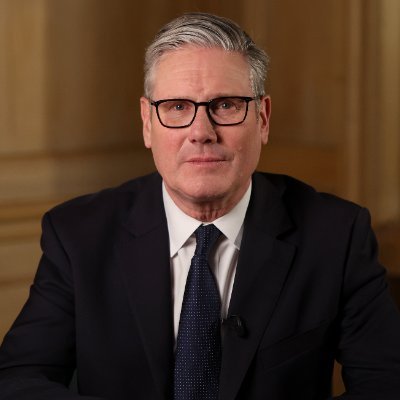
LONDON — Sir Keir Starmer has announced that he will step down as both Prime Minister and Leader of the Labour Party, bringing to an end a turbulent yet consequential chapter in British politics.
In a resignation speech delivered from Downing Street, Starmer said he had accepted the judgement of his parliamentary colleagues regarding his future leadership and would remain in office only until a successor is chosen.

AD: Capeesh Restaurant
The announcement marks a dramatic turning point for the Labour government just two years after Starmer led the party to a historic election victory, ending 14 years of Conservative rule and securing a commanding parliamentary majority.
While he defended his record in office and highlighted what he described as major achievements across the economy, public services, defence, and foreign policy, Starmer acknowledged that the central question facing Labour was no longer whether he had been the right person to rebuild the party, but whether he remained the right person to lead it into the next general election.
In a speech that combined pride, reflection and resignation, Starmer said he had “heard the answer” from his parliamentary party and accepted that verdict “with good grace.” The most significant revelation in Starmer’s speech was his explanation for stepping down. Rather than citing personal reasons, policy disagreements, or a national crisis, he framed his departure as a response to growing doubts within Labour about his ability to lead the party into another election campaign.

AD: Oysterian Sea Food Restaurant And Bar
“The question my party is asking now is whether I am best placed to lead us into the next general election,” Starmer said. “I have heard the answer of my parliamentary party to that question. And I accept that answer with good grace.”
Those remarks suggest that support among Labour MPs had eroded sufficiently to make his position untenable. Although Starmer did not elaborate on specific internal disputes, his comments indicate that confidence within the parliamentary party had become a decisive factor in his decision.
Political observers are likely to interpret the speech as an attempt to avoid a prolonged leadership struggle that could destabilise the government. By stepping aside voluntarily and setting out a timetable for a leadership contest, Starmer sought to present the transition as orderly and focused on maintaining stability.
A significant portion of the speech was devoted to Starmer’s efforts to rebuild Labour after becoming leader six years ago. He described inheriting a party that was “politically, financially and morally bankrupt” and recalled being told repeatedly that Labour was finished as a serious electoral force.
According to Starmer, Labour’s return to power was the result of a deliberate programme of reform that restored public trust and credibility. He highlighted the removal of antisemitism from the party, efforts to rebuild confidence in Labour’s economic management, and a renewed focus on national security and patriotism. Starmer argued that these changes enabled Labour to reconnect with voters and ultimately achieve a landslide election victory. He presented that transformation as one of the defining accomplishments of his political career.
The former Labour leader insisted that the purpose of those reforms was never simply to win power but to create a government capable of delivering meaningful change. He described his political mission as building a fairer country based on dignity, respect and opportunity for all citizens.
Defending His Record In Government
Although he is resigning, Starmer used the speech to make a robust defence of his government’s performance over the past two years. Among the achievements he cited were stronger economic growth, rising wages, increased investment and major infrastructure projects. He also pointed to what he described as the end of austerity and a substantial reduction in NHS waiting lists.
The Prime Minister further highlighted reforms designed to strengthen the rights of workers and renters, increased defence spending and measures aimed at reducing irregular migration across the English Channel. Starmer claimed that his government had overseen a decline in small boat crossings, the closure of asylum hotels and policies intended to protect young people from the harmful effects of social media. He also argued that government decisions had lifted half a million children out of poverty.
On the international stage, Starmer maintained that Britain’s reputation had been restored. He cited support for Ukraine, renewed engagement with European allies and the pursuit of trade agreements as evidence that the United Kingdom had regained influence and credibility abroad.
Throughout the address, Starmer repeatedly returned to the theme of “change delivered,” presenting his administration as one that had fulfilled many of the promises made during the election campaign. Starmer confirmed that he had already informed King Charles III of his decision and outlined the process for selecting a new Labour leader.
He said he would ask Labour’s National Executive Committee to establish a leadership contest timetable, with nominations opening on 9 July and the process concluding before Parliament returns from its summer recess. The aim, Starmer said, is to ensure that a new leader is in place by September, allowing the government to move forward quickly under fresh leadership.
Importantly, Starmer stated that he will remain Prime Minister during the contest period. This arrangement is intended to provide continuity in government while Labour members and MPs choose their next leader. He also pledged to give his successor “full and unequivocal support,” emphasising that the transition should serve the interests of both the party and the country.
Personal Farewell
The closing section of Starmer’s speech was notably personal and emotional. He expressed gratitude to friends, colleagues, Downing Street staff and members of the Civil Service who had worked alongside him throughout his leadership.
However, his most heartfelt comments were reserved for his family. Starmer paid tribute to his wife, Vic, describing her as a constant source of support through both successes and challenges. He also spoke warmly about his children, calling them his “pride and joy.”
As he prepares to leave frontline leadership, Starmer suggested that family life would now take greater priority.
“When I leave the biggest job in the country,” he said, “I shall spend more time on the most important job.” The remarks offered a human dimension to a speech largely focused on politics, leadership and public service.
Keir Starmer’s resignation closes a remarkable political journey that saw him take charge of a struggling opposition party, rebuild its electoral credibility and return Labour to government after more than a decade out of power.
While debates over his legacy will continue, his speech made clear how he wishes his tenure to be remembered: as a period of reform, renewal and delivery. Yet it also underscored a central reality of democratic politics—that leadership ultimately depends on maintaining the confidence of one’s party as well as the electorate.
According to his own account, it was the loss of that confidence among Labour parliamentarians regarding the next election that persuaded him to step aside.
With a leadership contest now set to begin, attention will quickly shift to who succeeds him and how Labour navigates the next phase of its time in government. The focus of his final speech was not on political battles ahead but on the conviction that the country he leaves behind is stronger than the one he inherited.
“Thank you. Thank you. Walking up this street two years ago was the proudest moment of my life. A new Labour government. The first in 14 years. A page in our country’s history turned after years of disappointment and despair.
The chance to change the lives of millions of people for the better. That’s what I came into politics for. The journey to that point was not easy.
Six years ago, I inherited a Labour Party that was politically, financially and morally bankrupt. I was told, time and time again, that my party was finished.
That we were consigned to history, that a majority at the general election, let alone a landslide majority, was impossible. But we proved those people wrong because we changed our party.
Ripping out the poison of antisemitism, restoring trust on the economy, defence, and national security.
And becoming a party that, once again, stood proudly with, not against, our national flag. The hard work of change was with a singular purpose. Not power for power’s sake but to change Britain for the better.
To build a fairer country, with dignity and respect, where everyone is seen, everyone is valued. Wealth and opportunity for all, not just the privileged few. And look at what we’ve achieved in just two years.
An economy that is stronger, growing faster than our peers. Wages rising faster than inflation in every single month since we came to power. Investment secured, infrastructure being built. An end to austerity, with the fastest fall in NHS waiting lists for 17 years.
The biggest improvement in rights for workers and renters in a generation. The biggest uplift in defence spending since the Cold War. Small boat crossings falling, asylum hotels closing, protecting young people from social media, and half a million children being lifted out of poverty because of the choices that I made.
Our reputation in the world restored, with Britain once again standing up for decency, respect and the rule of law. Securing trade deals, standing with Ukraine, standing up for our values, and rebuilding our relationship with our allies in Europe.
Change promised by a Labour government. Change fought for by a Labour government, change delivered by a Labour government.
But I know the question being asked now is not who was best placed to change the Labour Party, to take us into power, and to begin the vital work of improving lives for millions of people. Those questions have been answered.
The question my party is asking now is whether I am best placed to lead us into the next general election. I have heard the answer of my parliamentary party to that question. And I accept that answer with good grace.
Every decision I’ve taken has been about putting the country I love first. That is why I will resign as leader of the Labour Party. I have spoken to His Majesty the King this morning to inform him of my decision.
I will ask the National Executive Committee of the Labour Party to set out a timetable with nominations opening on 9 July and completed by the summer recess. In the case of a contest, this will ensure a new leader is in place before Parliament returns in September.
I will remain in post as Prime Minister until the contest is complete. And I will do everything I can to ensure an orderly handover of power.
I will also give my successor my full and unequivocal support, knowing that they will inherit a Britain that is far stronger and fairer than the one I inherited two years ago, better prepared for the challenges ahead, and better able to ensure the Labour Party secures a second term in office.
I want to thank all of those friends and colleagues who have been at my side for these past six years or so for their incredible commitment, service and support.
I want to thank the brilliant No 10 staff and our country’s extraordinary civil service, who dedicate their lives to public service.
And when I leave, the biggest job in the country. I shall spend more time on the most important job. Being the best husband I can to my fantastic wife, Vic, who has been a rock by my side, through good times and bad. And being the best dad I can to my beautiful children, who are my pride and my joy.
Thank you very much.”

AD: Heritage And Restaurant Lounge Bar