
By Ben Kerrigan-
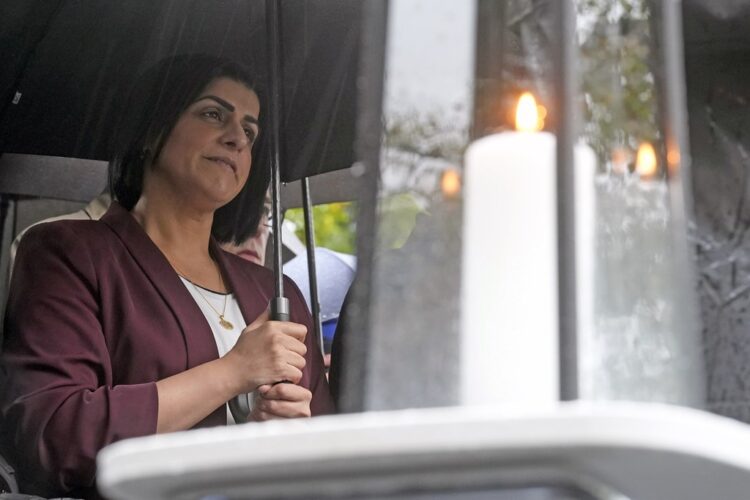
The government has announced sweeping proposals to overhaul the police’s ability to manage public demonstrations, directly responding to concerns about the significant social and economic damage caused by ongoing disruptive events.
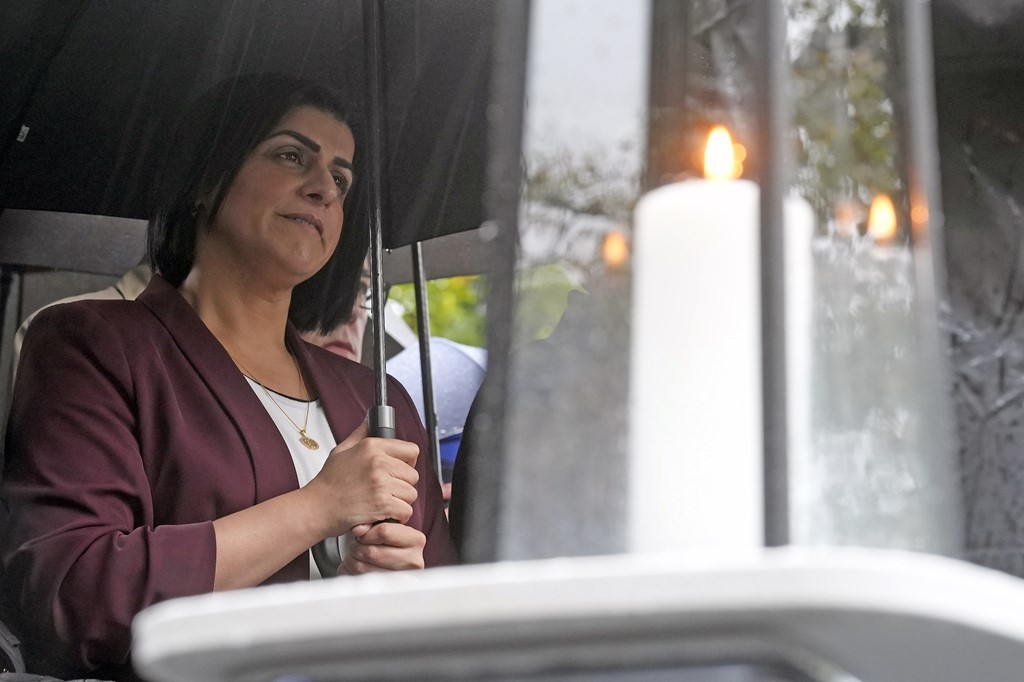
Home Secretary Shabana Mahmood. Pic: PA
The proposed legislation seeks to empower police forces to act decisively against individuals and groups who routinely orchestrate disorder.

AD: Capeesh Restaurant
This initiative represents a firm crackdown on repeat protests, aiming to restore a balance between the right to peaceful assembly and the rights of the public to go about their daily lives without continuous hindrance.
New provisions will reportedly include lower thresholds for officers to impose conditions on marches, moving beyond existing Public Order Act powers that critics argue are often insufficient or applied too late. Under the new plans, police will be able to consider the history of disruption by an organizing group when deciding whether to place restrictions on a future event.
This forward-looking criterion is a substantial legal shift, and the new law is expected to introduce specific restrictions on individuals who have previously breached protest conditions, making it easier for them to be arrested and prosecuted. Such individuals could face Prohibitive Orders preventing them from attending specified future demonstrations.

AD: Oysterian Sea Food Restaurant And Bar
This determined crackdown on repeat protests has been presented by ministers as a necessary measure to protect community cohesion and prevent resources from being continually diverted from frontline policing duties to managing marches. Unsurprisingly, the planned legislative changes have ignited a fierce political debate and are expected to face rigorous legal scrutiny.
Home Secretary Shabana Mahmood has argued forcefully that the recent demonstrations, particularly those that have included antisemitic slogans or targeted vulnerable communities, are “fundamentally un-British” and necessitate a strong governmental response.
She asserts that the proposed measures are not designed to curtail legitimate free speech but rather to target illegal and severely disruptive activity carried out repeatedly by a minority of activists.
Conversely, civil liberties groups and opposition politicians have raised immediate concerns about the breadth of these new powers. They argue that expanding police discretion to manage demonstrations risks a disproportionate infringement on the fundamental right to protest.
Organizations such as Liberty have already signalled that they will challenge the legislation, contending it could criminalise legitimate dissent and target activists unfairly.
This focused crackdown on repeat protests has created a difficult legal landscape.
For a detailed breakdown of the existing Public Order Act, see the official UK Government website.
The government maintains that the powers are essential for managing an unprecedented level of persistent, coordinated disruption. They point out that this is vital to protect businesses and residents affected by consecutive weekend closures and traffic chaos.

AD: Heritage And Restaurant Lounge Bar


