
By James Simons-
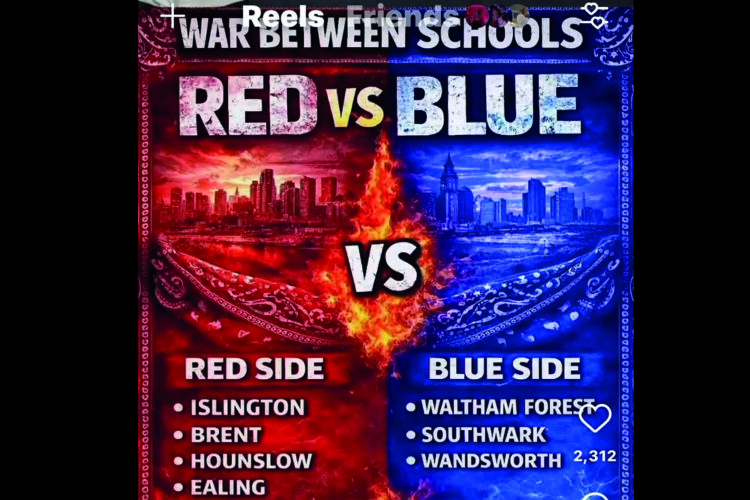
A wave of alarming social media posts circulating on TikTok and Snapchat has prompted urgent warnings from police, educators and parents across London as pupils are being encouraged to take part in so‑called “school wars,” online‑fuelled clashes that risk erupting into real‑world violence.The posts, seen by thousands of users on short‑form video and private messaging platforms, divide local schools into competing factions sometimes labelled “red” versus “blue,” and in newer iterations “green” versus “black” in areas like Tower Hamlets and urge children, some as young as 11, to stage fights with pupils from rival institutions.
In some cases, the content includes disturbing visuals of knives, compasses and fireworks, alongside “points” systems that gamify causing harm to classmates or opponents. Such posts have swiftly drawn criticism and intervention from officials concerned about the influence of platforms on youth behaviour.

AD: Capeesh Restaurant
“It’s not just a trend, it’s a recipe for disaster,” said one Metropolitan Police commander, emphasising that threats or planning of violence online can lead to arrests, charges and lasting criminal records.
While the phenomenon has spread through boroughs including Croydon, Bromley, Barnet and Hackney, teachers and police have stepped up efforts to protect pupils and discourage dangerous behaviour.
Headteachers at institutions such as Fortismere School in Haringey and Graveney School in Tooting have sent urgent letters to parents urging vigilance over children’s devices and online interactions. Some schools have also bolstered security measures, including bag checks and supervised exits, to deter the possibility of fights breaking out on or near school grounds.

AD: Oysterian Sea Food Restaurant And Bar
The Metropolitan Police have requested that accounts promoting “school wars” be removed from both TikTok and Snapchat, and reported that at least a dozen such accounts have been taken down following police contact. Officers are also increasing patrols around affected schools and reminding young people of the legal ramifications of carrying weapons or engaging in violence.
Parents across London and even in other cities such as Bristol, where related posts have also circulated have been advised to check their children’s phones regularly and engage them in conversations about the real dangers behind social media dares.
Social Media Companies Under Scrutiny
The rapid rise of the “school wars” trend has reignited concerns about how algorithms and youth‑oriented content moderation are handled by major platforms. TikTok and Snapchat have removed numerous posts that violate their violence policies, but critics say more proactive measures are needed to prevent harmful content from spreading in the first place.
Experts argue that this isn’t the first time online culture has influenced what happens offline. From past viral challenges to the general social dynamics of school-aged children, the interplay between digital and physical worlds continues to present complex challenges for educators, parents, and lawmakers alike.
Efforts such as the UK’s Online Safety Act 2023 aim to regulate harmful content online but in the meantime, authorities are stressing a message of caution and collaboration: blocking dangerous accounts, encouraging dialogue between parents and children, and ensuring swift action against anyone who puts lives at risk.
While some pupils dismiss the “school wars” as jokes or exaggerated hoaxes, the threads have stirred unease among young people themselves, with some expressing genuine fear about potential fights and others poking fun at the absurdity of the concept.
Regardless of perception, the trend has ignited a debate about social media’s influence on youth behaviour a discussion that goes beyond London and extends to digital culture worldwide.
What started as a viral challenge has become a frontline issue for community safety, digital responsibility, and the protection of young lives in the internet age. While some dismiss “school wars” as a fleeting internet fad, the consequences of these trends can be deeply serious.
Young people are at a developmental stage where peer approval, social recognition, and identity formation play critical roles in decision-making. Social media platforms, designed to maximize engagement, can amplify these impulses, sometimes encouraging risky or aggressive behaviour through likes, shares, and comment validation.
The impact is not limited to physical altercations. Psychologists note that exposure to violent or confrontational content can normalise aggression, heighten anxiety, and distort perceptions of social norms among impressionable children and teenagers.
When a challenge becomes gamified complete with points, rankings, or peer-driven incentives it shifts from a hypothetical idea to an actionable “mission,” making it difficult for students to separate online theatrics from real-life consequences. In this context, a prank or joke on a platform like TikTok can escalate into real-world injury, legal trouble, or lasting emotional trauma.
Globally, educators and policymakers are grappling with similar dilemmas. Countries from the United States to Australia have reported viral youth challenges with dangerous outcomes, ranging from school fights to self-harm trends.
These incidents highlight the tension between digital innovation and societal responsibility: platforms thrive on rapid content sharing and creativity, yet these same mechanisms can unintentionally facilitate harm. The debate often centers on where accountability lies with the platforms, parents, schools, or the young users themselves and how regulation can be both effective and respectful of free expression.
Digital literacy emerges as a crucial tool in this landscape. Experts emphasise the importance of equipping children with the skills to critically evaluate content, recognise manipulative online behaviour, and understand the potential consequences of their actions.
Parents and teachers who engage in open discussions about online trends, peer pressure, and self-protection strategies can create a supportive environment where children are more likely to make safe choices. Meanwhile, law enforcement and community organizations are increasingly tasked with proactive monitoring, outreach, and intervention to prevent harmful situations before they occur.
At a societal level, the conversation about social media and youth behaviour also intersects with broader questions of mental health, inequality, and social cohesion.
In communities where resources are limited, or where young people may feel socially or economically marginalised, online challenges like “school wars” can take on a heightened significance, providing a sense of belonging or identity in ways that offline environments may not.
This underscores the need for holistic solutions that combine digital safety education, mental health support, and community engagement rather than relying solely on punitive measures.
Ultimately, the “school wars” phenomenon reflects a larger truth about the digital era: the internet has become an inseparable part of childhood and adolescence, shaping not only entertainment and communication but also ethical frameworks and risk perception.
Addressing these challenges requires collaboration across multiple sectors, including education, social services, law enforcement, technology companies, and families themselves. Only through sustained awareness, proactive measures, and informed dialogue can communities hope to protect young people while still allowing them to explore, create, and participate safely in the digital world.

AD: Heritage And Restaurant Lounge Bar