
By Isabelle Wilson-
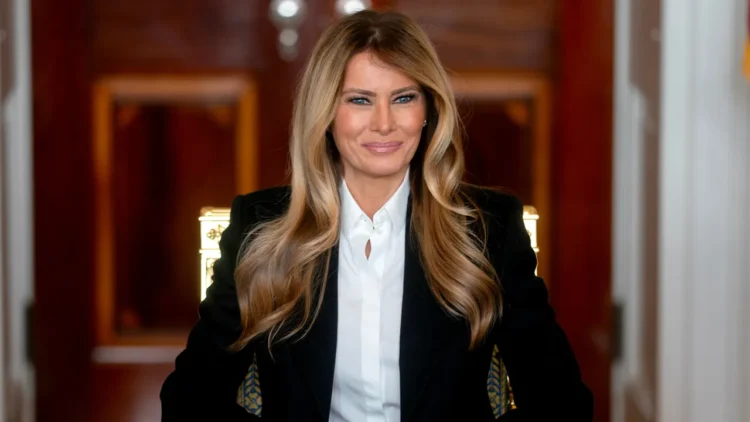
In a diplomatic twist that has captured global attention, Melania Trump is set to chair a session of the United Nations Security Council on Monday, marking the first time a sitting U.S. first lady will preside over the 15-member body, the White House confirmed.
The meeting, scheduled for 2 March at UN headquarters in New York, comes as the United States assumes the council’s rotating monthly presidency.

AD: Capeesh Restaurant
The agenda titled “Children, Technology, and Education in Conflict” aims to spotlight how access to education and emerging technologies can play a role in fostering tolerance and advancing global peace.
Those themes reflect longstanding issues the first lady has highlighted during her time in the public eye, particularly her focus on the well-being of children affected by international crises.
According to the first lady’s office, this will be the first occasion a first lady from the United States or any country has chaired a Security Council meeting while in office, breaking new ground in the largely formal and ceremonial world of diplomatic procedure.

AD: Oysterian Sea Food Restaurant And Bar
U.S. Ambassador to the United Nations Mike Waltz and representatives from other council members are expected to participate in the session.
Supporters of the move describe it as an opportunity to bring humanitarian concerns particularly around education in conflict zones to the forefront of the global diplomacy agenda, while also underscoring the United States’ engagement with the world’s foremost security forum.
The announcement comes amid a complicated backdrop in U.S.–UN relations. President Donald Trump has been a vocal critic of the United Nations, once slamming it as “ineffective” and advocating for major reforms, even while his administration grappled with large arrears in U.S. contributions to the organisation’s budget.
Last week, Trump unveiled a new initiative called the “Board of Peace,” which he claims will bolster global conflict resolution efforts a move that has raised eyebrows among diplomats who fear such mechanisms could parallel or bypass existing U.N. structures.
With Melania Trump, the Security Council role also ties into her broader advocacy. During her husband’s second term, she has emphasised humanitarian issues such as the reunification of Ukrainian children allegedly separated during the conflict with Russia an initiative she has personally championed and publicised.
Analysts say the symbolic significance of a first lady chairing such a high-level session is notable even if practical influence on policy remains limited. Traditionally, Security Council presidencies are chaired by usually by a permanent representative or senior foreign ministry official, underscoring the unusual nature of this appointment.
While diplomatic watchers prepare for Monday’s session, reactions are already mixed. Some see the move as an effort to humanise the council’s work, while others interpret it as part of broader political signalling amid a turbulent chapter in U.S. foreign policy.
Whatever the outcome, Melania Trump’s appearance at the helm of the UN’s most powerful diplomatic body will be remembered as a curious and historic moment in international relations.
Supporters inside the administration of Donald Trump, the symbolism is deliberate. The United Nations Security Council is often viewed as austere and procedural a chamber defined by vetoes, resolutions and the weight of geopolitical rivalry. Placing a first lady in the presiding chair, they argue, shifts the tone, even if only briefly.
The agenda’s focus on children, education and technology in conflict zones is designed to foreground humanitarian concerns rather than military brinkmanship. Allies of the White House suggest that elevating those themes could soften entrenched positions and remind delegates of the human cost behind policy debates.
Critics, however, question whether the move risks blurring the lines between diplomacy and domestic politics. The Security Council presidency rotates monthly among its 15 members, and while each country can determine who chairs its sessions, the role is traditionally held by a permanent representative or senior diplomat. Some foreign policy analysts, the decision raises concerns about precedent and protocol.
They note that the Council is not merely symbolic; it authorises peacekeeping missions, imposes sanctions and debates active conflicts. Even a session with a humanitarian focus takes place within that broader institutional gravity.
There is also the question of optics. The United States’ relationship with the UN has been strained at various points, particularly over funding, reform and multilateral agreements. By placing the first lady at the centre of a high-profile session, the administration may be attempting to project engagement and leadership on the global stage.
Diplomats privately acknowledge that such symbolism matters: images from the Council chamber flags arrayed in a horseshoe, nameplates aligned under the iconic mural travel quickly across international media and can shape perceptions of American posture abroad.
Yet others argue that the novelty of the moment could cut through diplomatic fatigue. In recent years, Security Council debates have often appeared locked in stalemate, particularly over conflicts involving major powers. A session framed around children and technology may offer a rare opportunity for consensus language, even if limited to reaffirming existing commitments.
If the meeting results in a presidential statement or agreed set of principles, proponents say it could demonstrate that humanitarian issues remain an area where cooperation is still possible.
The reaction among council members themselves is likely to be measured but watchful. Permanent members including the United Kingdom, France, China and Russia are accustomed to carefully choreographed proceedings.
Non-permanent members, many representing regions directly affected by conflict, may welcome attention to education and child welfare but will also be keen to ensure substantive follow-through. Diplomacy, after all, is as much about continuity as spectacle.
Beyond the chamber, advocacy groups are assessing whether the session will translate into concrete initiatives. Organisations focused on children in war zones have long pushed for stronger monitoring mechanisms and greater funding for education in emergencies.
If the meeting catalyses new commitments or amplifies existing frameworks, it could be seen as more than a ceremonial gesture. If not, it risks being remembered primarily for its unusual chair.
The gavel, when it falls to open the session, will signal both authority and scrutiny. Every remark will be parsed not only for policy implications but for tone and intent.
Ultimately, the significance of Monday’s session may lie less in immediate outcomes, and more in what it reveals about the evolving interplay between politics, symbolism and international institutions. The Security Council has long been a stage for statecraft; now it will briefly host a different kind of actor.
Whether the moment marks a subtle shift in diplomatic style or simply a footnote in a contentious era of foreign policy remains to be seen.
But in a world where gestures can reverberate as powerfully as resolutions, the image of a first lady presiding over the Council chamber will linger a snapshot of an unconventional chapter in American engagement with the world.

AD: Heritage And Restaurant Lounge Bar