
By Kenneth Williams-
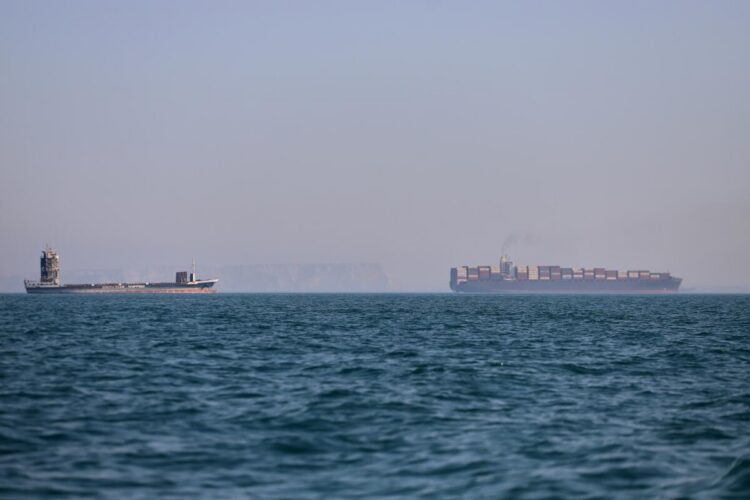
Fresh attacks on commercial shipping in the Strait of Hormuz have heightened concerns over maritime security and the stability of global energy supplies after three tankers were struck by projectiles in one of the world’s most strategically important waterways, according to the United Kingdom Maritime Trade Operations (UKMTO).
The incidents, reported on Tuesday, represented the latest escalation affecting commercial shipping in the Strait of Hormuz, the narrow waterway connecting the Persian Gulf with the Gulf of Oman and the Arabian Sea.

AD: Capeesh Restaurant
The strait serves as one of the world’s most important energy corridors, carrying roughly one-fifth of global oil consumption along with significant volumes of liquefied natural gas, making any disruption a matter of immediate concern for governments, shipping companies and energy markets. British maritime authorities said one tanker sustained significant damage after being struck near the Omani coast, while two additional vessels were also hit in separate incidents. One of the ships reportedly suffered damage from a drone strike, although officials said there were no immediate reports of fatalities or serious injuries among the crews.
The UKMTO, which monitors shipping threats across the Middle East, said investigations into the attacks are continuing as authorities work to determine the exact circumstances surrounding the incidents. The latest attacks come amid heightened geopolitical tensions in the Gulf region, where commercial vessels have increasingly faced security risks despite ongoing diplomatic efforts aimed at reducing hostilities and restoring confidence in one of the world’s busiest shipping lanes.
According to the United Kingdom Maritime Trade Operations (UKMTO), one of the affected tankers was struck by an unknown projectile on its port side while travelling southbound near Limah, Oman, causing a fire aboard the vessel. British authorities said there were no immediate reports of casualties, while maritime officials continued investigating the incident.

AD: Oysterian Sea Food Restaurant And Bar
The identities of all three vessels have not been officially confirmed by British authorities, though reports indicate at least one liquefied natural gas tanker was among those targeted. Maritime tracking services continued monitoring the affected ships as response teams assessed the extent of the damage. The attacks have renewed concerns that commercial shipping remains vulnerable despite increased naval patrols and international efforts to safeguard freedom of navigation throughout the region.
The Strait of Hormuz remains one of the world’s most important energy corridors, serving as a vital artery for global oil and natural gas shipments. The International Energy Agency (IEA) notes that disruptions to traffic through the strait can significantly affect global energy supplies, drive up crude oil prices, strain fuel markets and increase transportation costs, with broader economic consequences extending well beyond the Middle East.
Shipping analysts noted that attacks against commercial vessels have become a significant source of uncertainty for maritime operators navigating the Gulf. Several international shipping companies have already adjusted sailing schedules, rerouted vessels where possible or implemented enhanced security measures in response to previous incidents.
The latest attacks occurred as diplomatic negotiations aimed at easing regional tensions continue to face significant obstacles. Officials from multiple countries have sought to restore normal commercial traffic through the strait, recognising its importance to global energy supplies and international trade.
Regional governments have repeatedly emphasised the importance of protecting civilian shipping regardless of broader political disputes, warning that attacks on commercial vessels threaten international commerce and increase the risk of wider conflict. Although no group immediately claimed responsibility for Tuesday’s attacks, suspicions have once again focused on regional military tensions that have intensified throughout the year.
Iranian officials have previously insisted that vessels should follow designated transit routes through the strait, while Western governments have maintained that international shipping enjoys the right of free navigation under international law.
Security experts say the evolving situation has created an increasingly complex operating environment for commercial shipping companies. Many vessel operators are relying heavily on military advisories, intelligence updates and real-time maritime security information before entering the Gulf. Insurance providers have also continued reviewing risk assessments for ships transiting the region. Higher perceived threats often translate into increased war-risk insurance premiums, adding millions of dollars in additional costs for shipping companies transporting crude oil, natural gas and other cargoes through the waterway.
Energy markets reacted cautiously as news of the attacks emerged, with traders closely watching whether the incidents represent an isolated escalation or the beginning of renewed disruptions across the Strait of Hormuz.
Industry analysts said that while global energy supplies remain adequate for now, any prolonged interruption to tanker traffic could place upward pressure on oil and natural gas prices. Countries across Asia, Europe and other regions rely heavily on Gulf energy exports transported through the strait, making uninterrupted maritime access essential for maintaining stable supply chains.
Governments allied with regional partners have reiterated their commitment to ensuring safe navigation for commercial shipping. Naval forces operating in nearby waters continue conducting surveillance and coordinating with merchant vessels transiting the area.
Maritime security organisations, including the United Kingdom Maritime Trade Operations (UKMTO) and the Joint Maritime Information Center (JMIC), have advised ship operators to maintain heightened vigilance, report suspicious activity promptly and follow established guidance from naval and maritime security authorities.
Industry guidance also recommends conducting voyage-specific risk assessments and maintaining enhanced situational awareness, reflecting an operating environment in which security conditions can change rapidly because of evolving regional threats
Diplomatic efforts to reduce regional tensions remain ongoing, though recent attacks underscore the fragility of progress achieved through negotiations. International observers warn that continued assaults on civilian shipping could complicate broader discussions aimed at restoring long-term stability in the Gulf.
With global energy markets, the Strait of Hormuz remains indispensable. Even temporary disruptions have historically influenced commodity prices and investor confidence due to the sheer volume of petroleum and liquefied natural gas transported through the narrow channel each day. The coming days are expected to be critical in determining whether maritime traffic can continue without additional disruptions or whether stronger international security measures may become necessary to protect one of the world’s most vital commercial sea routes.

AD: Heritage And Restaurant Lounge Bar