
By Lucy Caulkett-
A microscopic parasite normally associated with contaminated food and water has triggered one of Michigan’s largest recorded outbreaks of intestinal illness, with cases of cyclosporiasis climbing past 1,000 as health officials continue searching for the source behind the sudden surge.
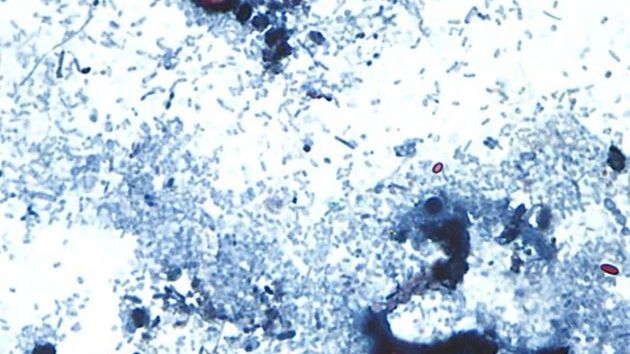
The outbreak, caused by the parasite Cyclospora cayetanensis, has spread across communities in Michigan, leaving hundreds of people dealing with prolonged gastrointestinal symptoms and forcing health officials to intensify investigations into possible contamination routes. The illness, which is known for causing severe watery diarrhea, has reached levels far beyond what the state typically sees in a year.

AD: Capeesh Restaurant
According to health officials, Michigan recorded nearly 1,000 confirmed cases in early July, with reports showing the outbreak had grown dramatically within a matter of weeks. The Michigan Department of Health and Human Services said the state usually records only about 50 cases annually, making the current outbreak an unusually large public health event.
The rapid increase has placed investigators under pressure to identify how so many people became infected. Unlike some illnesses that spread easily from person to person, cyclosporiasis is usually linked to consuming food or water contaminated with the parasite. Health officials have not yet identified a specific food item, supplier or producer responsible for the outbreak.
The illness began as what appeared to be an ordinary stomach problem before developing into a much longer and more disruptive health battle. Symptoms can include frequent watery diarrhea, stomach cramps, nausea, fatigue and loss of appetite. In some cases, the infection can continue for weeks without treatment and may return after appearing to improve.

AD: Oysterian Sea Food Restaurant And Bar
The outbreak has affected people across several Michigan counties, with Southeast Michigan emerging as one of the hardest-hit areas. Health authorities have continued tracking new infections while encouraging anyone experiencing persistent diarrhea or related symptoms to seek medical attention and testing. The challenge for investigators is that identifying the source of a foodborne outbreak can be a complex process.
People may become ill days or even weeks after exposure, and contaminated products may no longer be available by the time officials begin tracing possible connections. Case numbers increases, health officials are examining whether fresh produce could be connected to the outbreak. Previous cyclosporiasis outbreaks in the United States have been associated with contaminated fruits and vegetables, including items such as salad mixes, cilantro, basil and berries.
However, officials investigating the Michigan outbreak have not confirmed a specific source. The investigation highlights the difficulties involved in controlling illnesses caused by parasites that can enter the food supply. Fresh produce often passes through multiple stages before reaching consumers, creating a complicated trail for investigators attempting to identify where contamination may have occurred.
Health authorities have advised residents to take additional precautions when preparing fruits and vegetables. Recommendations include washing produce thoroughly under running water, cleaning preparation surfaces and cooking vegetables when possible. Officials have also encouraged restaurants and food service operations to follow strict produce-handling practices during the investigation.
Although the outbreak has caused widespread concern, health experts say cyclosporiasis is generally treatable and does not typically become life-threatening for healthy individuals. However, dehydration caused by prolonged diarrhea can create serious risks, particularly for young children, older adults and people with weakened immune systems.
Medical professionals say diagnosis can sometimes be challenging because the parasite is not always detected through standard testing. Specialised laboratory analysis may be required to confirm an infection, meaning the true number of cases could be higher than official counts.
The Michigan outbreak is also part of a broader national pattern. Other states have reported increases in cyclosporiasis cases, prompting health agencies to examine whether multiple outbreaks could be connected or whether separate contamination events are occurring at the same time. Priority is identifying the origin of the outbreak while preventing additional infections. Investigators are reviewing case information, studying possible food exposures and working with local health departments to better understand how the parasite spread among communities.
The outbreak serves as a reminder of how quickly foodborne illnesses can affect large populations and how difficult it can be to trace the source once infections begin appearing across different locations. A single contaminated product can potentially reach consumers across wide geographic areas before authorities recognise a pattern.
Advice from health officials remains focused on awareness and prevention: recognise symptoms, seek medical care when necessary and follow safe food preparation practices. While the number of cases has already surpassed 1,000, the investigation is still unfolding. Until officials identify the source, questions will remain about how the parasite entered the food chain and what additional steps may be needed to prevent future outbreaks.
The rise of cyclosporiasis in Michigan has transformed a rarely discussed infection into a major public health concern. Behind every statistic are individuals dealing with illness, uncertainty and the disruption caused by an infection that can last far longer than expected.
The outbreak stands as another reminder that public health threats do not always arrive with warning signs. Sometimes they begin with something as ordinary as a meal and a microscopic organism capable of creating a statewide challenge. What appears to be a routine part of daily life can become the starting point of a complex investigation involving health departments, laboratories, medical professionals and communities working together to identify and contain the threat.
The Michigan Cyclospora outbreak highlights the hidden vulnerabilities within modern food systems. With fresh produce and other food products often travelling through multiple stages before reaching consumers, tracing the exact source of contamination can become a race against time. Illnesses are reported and patterns begin to emerge, the suspected food item may already be gone from stores, restaurants or homes.
Residents affected by the outbreak, the experience has been a reminder that food safety is not only a personal responsibility but also a broader public health issue. Behind the growing case numbers are individuals facing days or weeks of discomfort, missed work, medical appointments and uncertainty about how they became infected.
The response to the outbreak also demonstrates the importance of surveillance systems that allow health officials to detect unusual increases in illness. Without careful monitoring and cooperation between local and state agencies, outbreaks caused by rare parasites could continue spreading unnoticed. Focus remains on protecting communities and preventing additional infections. The lessons learned from this outbreak could influence future approaches to food safety, disease tracking and public communication.

AD: Heritage And Restaurant Lounge Bar