

By Lawal AbdulMalik-
The government is expected to announce its final position on a formal framework to define and address prejudice against Muslims within the next few weeks. This decision represents the culmination of a long-awaited review. Ministers are signaling they plan to move away from the highly contentious word “Islamophobia,” choosing instead to formally adopt the phrase “anti-Muslim hostility.”
This proposed change comes at a moment when hate crimes targeting British Muslims have surged dramatically, placing immense pressure on the Communities Secretary to adopt a robust UK Anti-Muslim Hostility Definition that provides clarity and protection without compromising core democratic rights.
An independent working group, led by former Conservative minister Dominic Grieve, has been researching whether to produce a new definition since February. The aim of this group has always been clear: to define unacceptable treatment, prejudice, discrimination, and hate that targets Muslims or any individual perceived to be Muslim.

AD: Capeesh Restaurant
Lord Khan, the Labour peer who oversaw the start of this review while serving as faith minister, strongly urged the government to adopt the full proposed definition. He stressed the importance of selecting a clear definition that fully reflects the terms of reference established at the beginning of the process. “There’s so many definitions out there, this is an opportunity to address the big problem in our communities,” he told Sky News, articulating the need for a strong, unambiguous statement. He further highlighted the deep disappointment within Muslim communities should the work not be fully implemented, noting, “These are lived experiences and I am one of those people who has suffered.”

Lord Khan. Pic: PA
The urgency surrounding the adoption of a formal UK Anti-Muslim Hostility Definition is directly fueled by escalating violence and discrimination faced by British Muslims. According to multiple monitoring groups, hate crimes against Muslims have risen significantly in recent years. Home Office data specifically shows a stark $20\%$ surge in religion-based offences last year alone. Critically, these figures reveal that Muslims were the target in nearly half of all reported religion-based hate crimes, confirming they disproportionately bear the brunt of faith-based prejudice. These statistics demonstrate a clear, pressing need for a structured governmental response.
The lack of an official, universally recognized definition means crimes against Muslims can often go underreported or be inconsistently categorized by law enforcement agencies. This systemic lack of specificity in official language exacerbates the issue, making it harder to track trends and implement effective counter-measures. Establishing a clear, agreed-upon UK Anti-Muslim Hostility Definition would standardize reporting, ensuring victims’ experiences are accurately recorded and recognized within the justice system.

AD: Oysterian Sea Food Restaurant And Bar
The debate surrounding the final wording of the UK Anti-Muslim Hostility Definition ultimately centers on achieving this balance between protection and legal precision. The reported suspected arson attack at a mosque in East Sussex earlier this month tragically reminds the public of the tangible, violent consequences of unaddressed prejudice.

While advocates argue the new definition is essential for protecting a vulnerable minority group, political critics raise serious concerns about its potential secondary effects on free speech. From the outset, ministers firmly insisted that any new definition would not infringe on freedom of speech. They pledged the language would protect the fundamental right to criticize, express dislike of, or even insult religions and their practices.
Crucially, the government promised the new definition would not pave the way for blasphemy laws to pass “through the back door.” The controversy largely stems from an earlier $2018$ working definition adopted by the Labour Party. That definition stated: “Islamophobia is rooted in racism and is a type of racism that targets expressions of Muslimness or perceived Muslimness.”
This older working definition forms the basis of the current Conservative hesitation, with Tory shadow equalities minister Claire Coutinho expressing specific worry. She told Sky News, “I think we all need to be equal in the law and there is already protection in the law,” pointing out that current legislation protects victims of violence or harassment based on their religion.
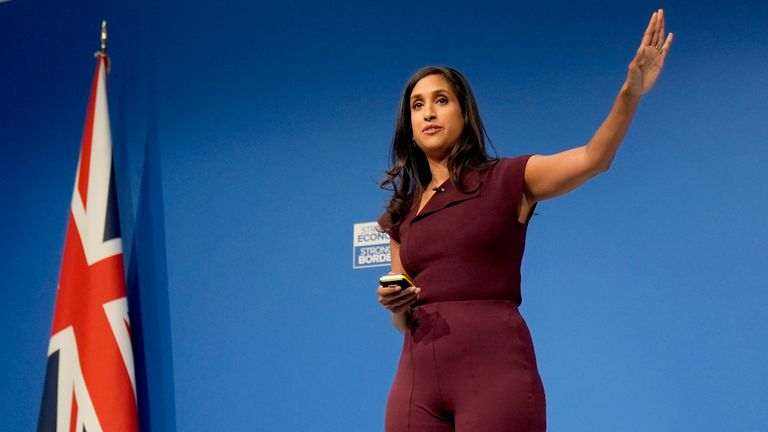
Claire Coutinho. Pic: PA
Coutinho cautioned against adopting a definition that might be perceived as “putting one group on a pedestal and giving them special protections because that will only breed resentment.” She contrasted this with the international consensus surrounding the antisemitism definition, which combats a specific historical crime, Holocaust denial. Policy groups also amplified these concerns, with the Policy Exchange thinktank claiming that adopting a sweeping definition could lead to a “fundamental social and structural change” by the back door, allowing activists to challenge counter-terrorism laws and undermine the crucial Prevent program.
The forthcoming decision will be crucial for the government’s relationship with Britain’s diverse Muslim communities. Ministers are set to decide in the coming weeks exactly what language they will adopt from the independent working group’s advice, determining if the full report will be published. Communities Secretary Steve Reed is tasked with formally making the announcement when that decision is finalized. A Ministry of Housing, Communities and Local Government spokesperson confirmed the process is ongoing, stating, “The department is carefully considering the independent Working Group’s advice on a definition of anti-Muslim hatred/Islamophobia, and no government decisions have been made.”
The spokesperson reaffirmed the government’s dual commitment, stating, “We will always defend freedom of speech, including fiercely protecting the right to criticise, express dislike of, or insult religions and the beliefs and practices of those who follow them.” This commitment will remain at the forefront as they review the final wording of the UK Anti-Muslim Hostility Definition. For now, the political debate continues to rage, pitting the undeniable need to combat surging hate crimes against the equally vital need to safeguard free expression. The eventual decision on the UK Anti-Muslim Hostility Definition must navigate this complex, sensitive, and high-stakes path toward national consensus.

AD: Heritage And Restaurant Lounge Bar


