
By Samantha Jones-
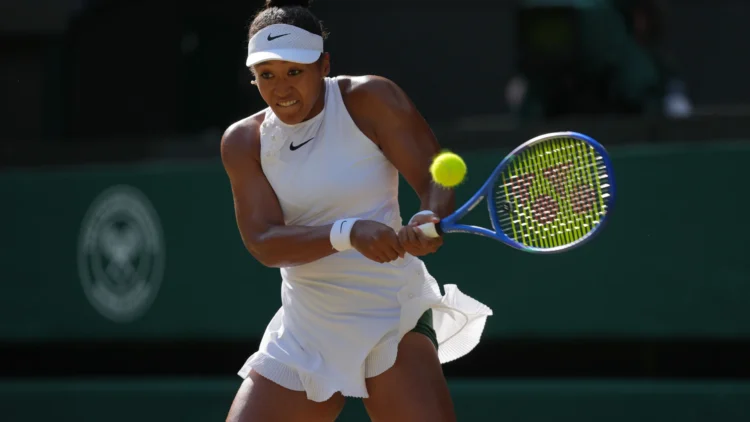
Naomi Osaka’s Wimbledon campaign came to an end in the quarterfinals after a straight-sets defeat to Karolina Muchova, but the four-time Grand Slam champion left the tournament reflecting on the physical demands of competing at the highest level and joking that age was beginning to catch up with her.
Naomi Osaka’s Wimbledon run ended in the quarterfinals after the Japanese star was defeated by Karolina Muchova 7-6(4), 6-4, marking Osaka’s first appearance in the last eight at the All England Club. Muchova delivered a composed performance to secure a place in the semifinals, using her variety and consistency to overcome Osaka in a closely fought contest. The defeat ended Osaka’s strongest Wimbledon campaign to date, but the former world No. 1’s progress to the quarterfinal stage highlighted her continued return to top-level competition.

AD: Capeesh Restaurant
The loss ended one of Osaka’s most encouraging Grand Slam runs in recent years. Earlier in the tournament, she produced one of the biggest victories of the event by defeating world No. 1 Aryna Sabalenka, a result that highlighted her return to elite form after several challenging seasons.
After the match, Osaka addressed the physical issues that affected her during the tournament, pointing to soreness in her feet and acknowledging the difficulties of managing her body as her career continues. Her comments reflected the reality facing many experienced players who must balance intense competition with injury prevention and recovery.
The 28-year-old has experienced several physical setbacks during her career, including recent concerns before Wimbledon. She withdrew from the Bad Homburg final before the tournament because of a foot issue, raising questions about whether she would be fully prepared for the grass-court major.

AD: Oysterian Sea Food Restaurant And Bar
Despite the disappointment, Osaka’s Wimbledon performance represented a significant step forward. The former world No. 1 has been rebuilding confidence following a period away from the sport, during which she became a mother and worked to return to championship-level tennis.
Osaka entered Wimbledon with limited expectations after struggling with injuries and inconsistent results in recent seasons. Her performances on grass showed signs that she remains capable of challenging the world’s best players. Her victory over Sabalenka was particularly significant because it demonstrated the power, timing and competitive mentality that helped Osaka win four major championships. The result also suggested that she could still compete against top-ranked opponents when healthy and confident.
The quarterfinal defeat against Karolina Muchova highlighted both Naomi Osaka’s progress and the challenges that remain as she continues her return to elite competition. Osaka showed flashes of the powerful baseline tennis that has defined her career, but Muchova’s variety, movement and ability to change the pace of rallies helped the Czech player control key moments of the match.
According to the Women’s Tennis Association, Muchova overcame Osaka in straight sets to reach her first Wimbledon semifinal, using her all-court skill and composure to secure a 7-6(4), 6-4 victory. Osaka’s remarks about “getting old” reflected a lighter side of her post-match assessment, but they also highlighted the physical realities of professional tennis. Players are required to compete through demanding schedules that include frequent travel, intense training sessions and matches played under significant physical stress.
With Osaka, the focus now turns to maintaining her health and building on the progress made at Wimbledon. Her return to deep Grand Slam competition provides evidence that she remains a dangerous opponent when her body allows her to perform at full strength.
Naomi Osaka has previously spoken openly about the challenges of returning to professional tennis after taking time away from competition. After her maternity break, the former world No. 1 acknowledged that adjusting back to the demands of the sport was difficult, saying she did not always feel like her previous self on court while working to regain her confidence and competitive form.
Her comeback has involved balancing the responsibilities of motherhood with the physical and mental demands of competing at the highest level of tennis. Although the Wimbledon quarterfinal loss was disappointing, Osaka leaves London with renewed belief that she can compete at the highest level. Reaching the final eight at the All England Club marked a career milestone and offered encouragement ahead of the remaining Grand Slam tournaments.
The defeat also reinforced the importance of managing injuries as Osaka enters the next stage of her career. Foot problems, recovery time and physical preparation will likely remain key factors as she continues chasing additional major titles.
Tennis has increasingly shown that experienced champions can return to contention after setbacks, and Osaka’s Wimbledon performance added her name to that group of players still capable of making deep runs. Her powerful serve, aggressive baseline game and mental strength remain major weapons against elite competition.
The next challenge for Osaka will be converting promising performances into titles while protecting her long-term health. Her Wimbledon run demonstrated that her championship ability remains intact, but it also showed that success will depend on maintaining physical durability throughout a demanding season.
Osaka’s quarterfinal appearance represents both an achievement and a reminder of the challenges that come with longevity in professional tennis. While she was unable to reach the semifinals, her return to the latter stages of a Grand Slam tournament signals that her pursuit of more major success is far from over.
The run at Wimbledon provided Osaka with valuable evidence that she remains capable of competing against the world’s best players. After periods of uncertainty following her return to the tour, reaching the quarterfinal stage demonstrated that her powerful serve, aggressive baseline style and ability to perform under pressure continue to make her a dangerous opponent on the biggest stages.
However, the tournament also highlighted the physical demands that come with maintaining a career at the highest level. Players get older, managing injuries, recovery time and the pressures of a demanding schedule become increasingly important factors.
The Japanese star’s journey back toward championship contention has required patience and adjustment. After stepping away from competition and becoming a mother, Osaka has had to rebuild both her physical condition and competitive confidence. Her Wimbledon performance suggests that the process is moving in a positive direction, even though she fell short of another deep Grand Slam run.
Looking ahead, Osaka is aiming to build on the momentum gained at Wimbledon and use the experience as preparation for future tournaments. Her return to the later rounds of a major event reinforces the belief that she still has the ability to challenge elite players when healthy and in rhythm.
A player who has already won four Grand Slam titles, the goal remains the same. Competing for trophies at the highest level. Wimbledon may have ended with disappointment, but Osaka’s quarterfinal run showed that her comeback story is still being written and that further opportunities for success remain ahead.

AD: Heritage And Restaurant Lounge Bar