
By Aaron Miller-
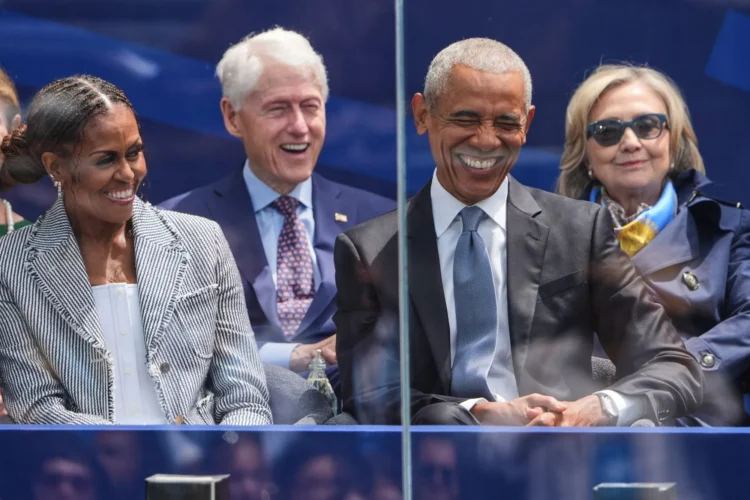
The opening of the Obama Presidential Center brought together an extraordinary mix of political leaders, cultural icons and entertainment stars on Thursday, transforming Chicago’s South Side into the focal point of a historic national celebration.
Former President Barack Obama and former First Lady Michelle Obama welcomed thousands of guests to the long-awaited dedication ceremony, marking the culmination of nearly a decade of planning and construction. The event attracted three former U.S. presidents Joe Biden, Bill Clinton and George W. Bush along with former first ladies, international dignitaries, acclaimed musicians and some of the biggest names in American entertainment.

AD: Capeesh Restaurant
The Obama Presidential Center, situated in Jackson Park, officially opens to the public on Juneteenth and is expected to become one of Chicago’s most visited cultural institutions. The sprawling campus includes a museum, library facilities, public gathering spaces, gardens, recreational areas and educational programming designed to inspire civic engagement and community leadership.
With Barack Obama, the opening represented a return to the city where his political career began and where he first established deep ties with local communities. The center’s location on the South Side reflects a deliberate effort to connect the former president’s legacy with the neighborhoods that helped shape his public life.
Michelle Obama delivered one of the ceremony’s most emotional speeches, reflecting on her husband’s presidency and the values that guided his time in office. She praised his commitment to public service, democratic institutions and social progress, drawing sustained applause from the audience.

AD: Oysterian Sea Food Restaurant And Bar
The gathering also featured a rare public appearance by daughters Malia and Sasha Obama, who joined their parents on stage in a symbolic family moment that resonated with attendees. The sisters have largely remained outside the public spotlight since leaving the White House, making their presence a notable part of the day’s events.
International figures also attended the dedication ceremony, including former German Chancellor Angela Merkel and former Canadian Prime Minister Justin Trudeau, underscoring Obama’s enduring global influence years after leaving office. Their participation highlighted the international significance of the center and its broader mission of civic engagement and leadership development.
The center itself stands as one of the most ambitious presidential projects in modern history. Designed as a hub for education, culture and public discourse, the campus spans nearly 20 acres and cost approximately $850 million to complete. Architects Tod Williams and Billie Tsien envisioned the site as both a monument to history and a living civic institution intended to serve future generations.
Music Legends And Celebrity Guests
While the political significance of the event was unmistakable, the opening ceremony also doubled as a major cultural celebration thanks to an impressive lineup of performers and celebrity guests.
Music legends Bruce Springsteen, Stevie Wonder, Bono and The Edge joined a roster of artists that included John Legend, Jennifer Hudson, Christina Aguilera, Common, Marc Anthony, Eddie Vedder, Tems and The Roots. Their performances transformed the dedication into a festival-like event that blended music, storytelling and reflections on civic participation.
The Obama Foundation had previously described the grand opening as a celebration of hope, change and community engagement, and the musical program reflected those themes. Organisers said the performances were intended to inspire audiences while honouring the ideals associated with the Obama presidency.
Several A-list celebrities were also in attendance, including Oprah Winfrey, Tom Hanks and tennis icon Billie Jean King. Their presence added to the star power surrounding the ceremony and reinforced Obama’s continued ability to draw support from influential figures across entertainment, sports and public life.
Security around Jackson Park was extensive, with federal and local authorities coordinating operations for months in preparation for the gathering. Officials compared the planning effort to a scaled-down version of security arrangements used during major national political events.
The dedication ceremony served as the centerpiece of a multi-day opening celebration organised by the Obama Foundation. Activities scheduled throughout the weekend include community events, public performances, educational programming and family-friendly attractions aimed at welcoming visitors from Chicago and beyond.
Supporters view the center as a lasting symbol of Obama’s presidency and an investment in civic participation. Valerie Jarrett, chief executive of the Obama Foundation and a longtime Obama adviser, said the institution honours the communities that supported the former president’s rise and seeks to encourage future generations of leaders.
The opening also carries economic significance for Chicago. Local officials and project supporters anticipate that the center will attract more than one million visitors annually and generate substantial economic activity for surrounding neighborhourds. Proponents argue that the center will create new opportunities for tourism, small businesses and community development across the South Side.
The project has faced scrutiny and debate over construction costs, neighbourhood impacts and concerns about gentrification. Critics have questioned whether nearby communities will fully benefit from the investment, while supporters contend that the center’s educational and economic initiatives will create lasting local advantages.
Despite those discussions, Thursday’s dedication focused largely on celebration and reflection. The event highlighted Obama’s political legacy while emphasising themes of unity, public service and civic responsibility.
Guests filled the plaza and performances echoed across the campus, the opening underscored the enduring prominence of the nation’s first Black president. Bringing together former presidents, world leaders, award-winning musicians and Hollywood celebrities, the ceremony represented more than the unveiling of a presidential center.
It marked the launch of a new civic institution intended to shape conversations about leadership, democracy and community engagement for decades to come.
Throughout the day, speakers emphasised that the center’s mission extends far beyond preserving the history of the Obama administration. Organisers described it as a living space where future generations can explore ideas, participate in community programs and engage with issues affecting society.
Exhibits, educational initiatives and public forums are designed to encourage visitors to become active participants in civic life rather than passive observers of history. The event carried a sense of reflection on the political and social changes that have occurred since Obama’s historic election in 2008. Supporters viewed the center as a testament to the power of grassroots organising, public service and inclusive leadership.
The celebratory atmosphere, marked by music, speeches and cultural performances, highlighted the broad coalition of supporters who continue to identify with those ideals. While the ceremony concluded, the Obama Presidential Center stood not only as a monument to a former president’s legacy but also as a symbol of the ongoing effort to inspire civic participation and community-driven change in the years ahead.

AD: Heritage And Restaurant Lounge Bar