
By Ben Kerrigan-
As geopolitical tensions in the Middle East have escalated into open conflict between the United States, Israel and Iran, travellers around the world are confronting a new reality: standard travel insurance may offer far less protection than they believed and in many cases, none at all. With regional airspace closed, flights cancelled and government travel warnings expanding daily, millions are asking what their policies will or won’t cover if war upends their itineraries.
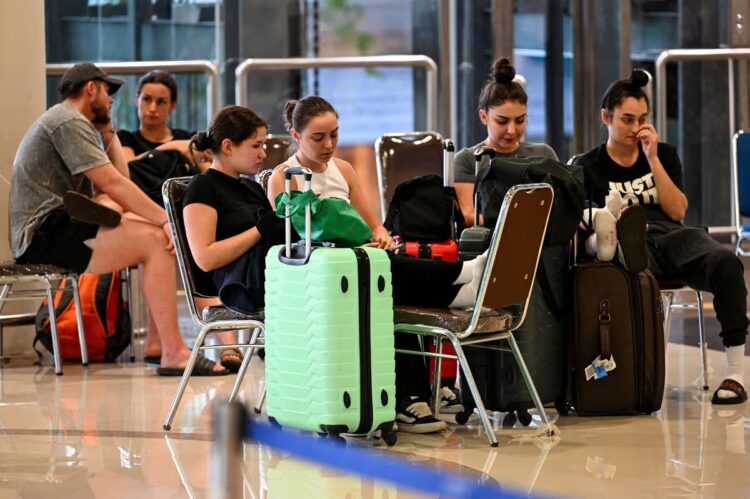
The situation has become a global travel crisis. Tens of thousands of passengers have been stranded as routes through major hubs like Dubai and Doha collapse, stranding connections halfway around the world. Governments are scrambling to evacuate citizens, while insurers warn that traditional policies are limited in the face of war-related disruptions.

AD: Capeesh Restaurant
Travel insurance has long been marketed as a safety net for unforeseen events lost luggage, cancelled flights, medical emergencies abroad. But coverage depends on the fine print, and in the case of war, most policies stop well short of what travellers need right now.
Most standard travel insurance policies explicitly exclude any claims arising from acts of war, military conflict, civil unrest or political violence. This aligns with the industry’s long-standing practice of classifying military action as an uninsurable “known risk.” That means if a conflict is widely reported before purchasing a policy, insurers typically decline claims related to disruption from that conflict.
An insurance specialist recently told that unless a traveller bought a plan with a “cancel for any reason”benefit before the conflict started, protections for cancellations, evacuations or related travel costs caused by such hostilities are “typically not provided” under standard policies.

AD: Oysterian Sea Food Restaurant And Bar
A policy labelled “travel insurance” might still cover medical treatment abroad, lost or delayed baggage, and sometimes trip delays but the exclusions for war and military action can render it ineffective for the kinds of problems millions of travellers now face due to Middle East escalations.
Some travellers also discover credit cards used to buy tickets offer secondary travel protection but like standalone insurance, these perks don’t necessarily cover war-related disruptions and vary widely by issuer.
Government travel advisories play a critical role in insurance decisions. When a government issues a “do not travel”warning for a region, most travel insurers state they no longer provide cover for that destination.
This is especially important now: the UK’s Foreign, Commonwealth & Development Office (FCDO) has warned against travel to Israel and Iran, and strongly advised against all but essential travel to other Gulf states meaning many policies become invalid if you travel there after such a warning.
In some countries like Australia, insurers are also reviewing policies to help customers with extended coverage dates for those suddenly stranded due to airport closures though this assistance differs from full financial reimbursement for cancelled routes.
The unfolding conflict has disrupted travel routes far beyond the region. Middle Eastern hubs like Dubai, Doha and Tel Aviv once crucial for global transit have seen airspace closures and mass cancellations, leaving travellers worldwide looking for answers.
Some have been forced to rethink their routes entirely. Others have scrambled to find last-minute flights home at exorbitant prices, or even resorted to ground transport across international borders.
Yet as they struggle to depart, many discover that insurance won’t cover the bulk of their financial losses because the conflict is now a reported, ongoing event meaning future policies may not protect them for anything related to this war.
One insurance industry watchdog explains this by noting that travel insurance is designed to cover unexpected events, not predictable risks once they hit the headlines. Consequently, policies bought after the beginning of the conflict are unlikely to cover cancellations or evacuations driven by the conflict.
Even with specialist coverage, there’s no guarantee policies will pay out especially if the situation deteriorates faster than expected. Travellers considering such options should consult with independent brokers to understand the exact scope and limitations.
The Middle East conflict is a stark reminder that standard travel insurance isn’t a catch-all solution. While medical coverage and some emergency services often remain valid, cancellations, evacuations and financial losses related to war are frequently excluded particularly once a conflict is publicly known.
While travellers must navigate a patchwork of airline policies, government advisories and insurance fine print. In many cases, the best defence is information, documentation and flexibility, not blind confidence in a travel insurance policy.

AD: Heritage And Restaurant Lounge Bar