
By James Simmons-
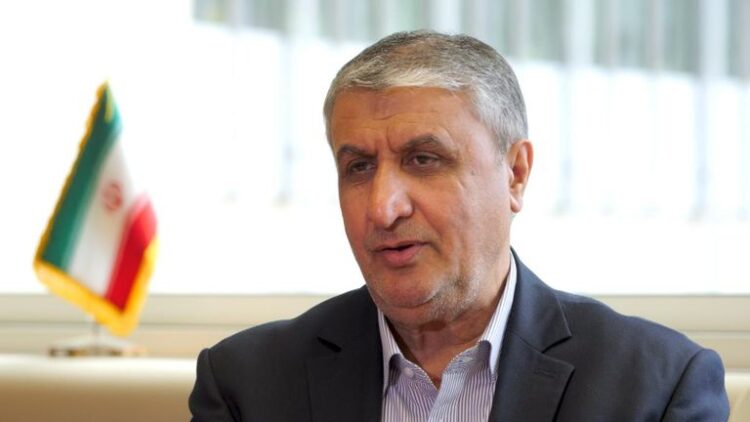
The head of the Atomic Energy Organisation of Iran, Mohammad Eslami, has made a stunning admission, confirming that some of the country’s nuclear facilities were destroyed. These facilities were reportedly struck during US military operations in June. The strikes occurred as part of a recent 12-day war with Israel. The affected sites are the country’s most significant nuclear installations.
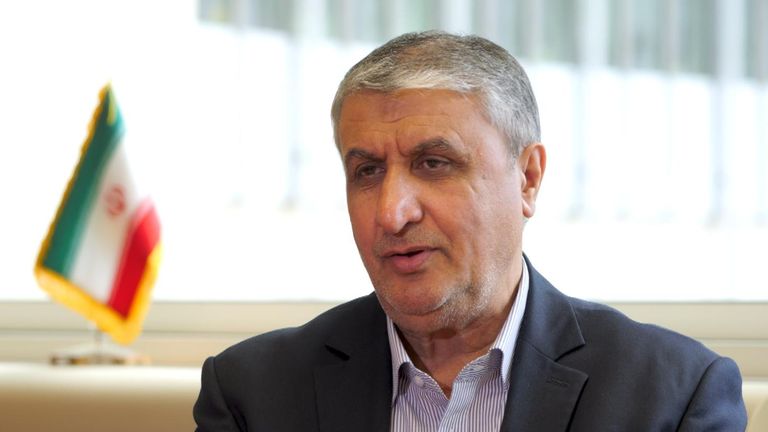
Mohammad Eslami, the head of the Atomic Energy Organisation of Iran. Sky News
Satellite imagery also confirmed major damage. However, the full extent of the destruction remains hard to assess. This is partly because some of the facilities are located deep underground. The strikes targeted three key sites: Fordow, Natanz, and Isfahan. On June 22nd, these Iranian nuclear facilities were reportedly hit with 30,000lb bunker-busting bombs.

AD: Capeesh Restaurant
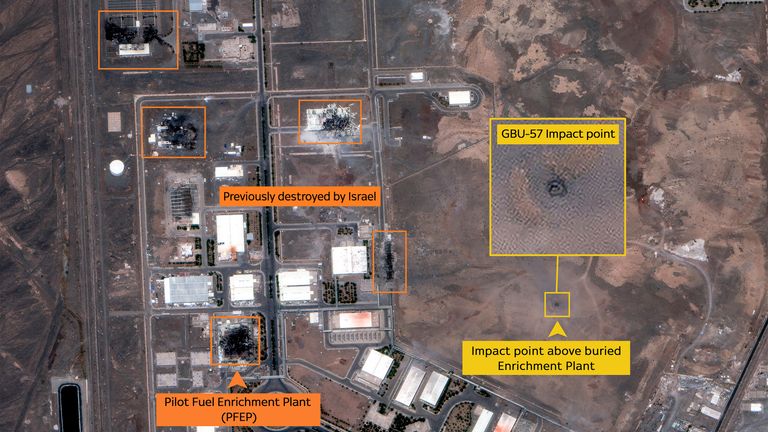
Destruction at the Natanz Enrichment Complex from satellite imagery. Pic: Maxar Technologies
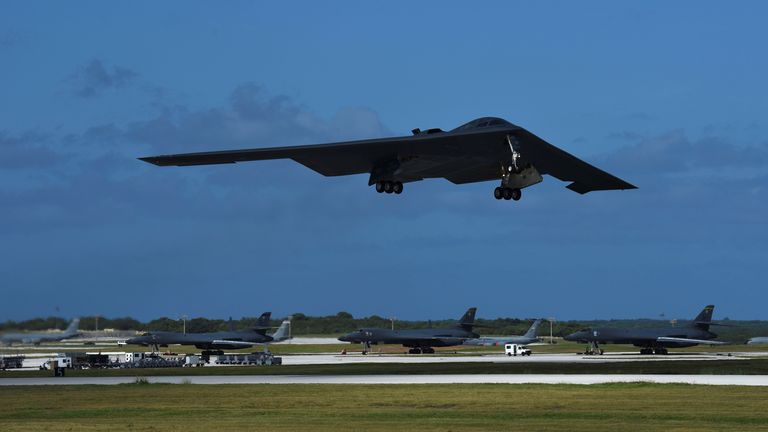
US Air Force B-2 Spirit bombers were used in the strikes on Iran. Pic: US Air Force/Airman 1st Class Gerald Willis/Reuters
Iran Nuclear Facilities: A Path Forward
Mohammad Eslami, despite the damage, vowed that Iran would rebuild its nuclear programs. He staunchly defended Iran’s right to pursue a nuclear program for peaceful purposes. He said higher levels of uranium enrichment were necessary for “sensitivities and precision measurement tools” and also for the safety systems of their reactors. Sanctions have prevented them from purchasing these necessary items from abroad. Eslami’s statement offers a glimpse into Iran’s determination to continue its program despite international pressure.
In addition to these strikes, diplomatic relations are strained. The US government is seen as untrustworthy, according to Eslami, who cited broken promises and the recent attacks. He stated that there will be no direct talks with the US. The UK, France, and Germany have also taken action. They have triggered 30 days to reintroduce “snapback” sanctions on Iran. This action is intended to pressure Iran to re-engage with talks and restore access for UN inspectors. These sanctions aim to prevent further escalation and ensure international safety.

AD: Heritage And Restaurant Lounge Bar


