
By Sheila Mckenzie-
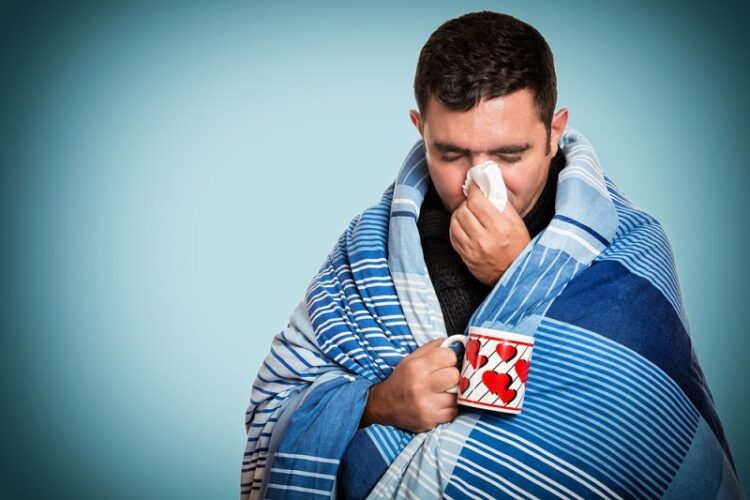
A once stereotype about ‘man’s flu is now gaining traction in scientific research. Men truly do tend to get sicker and suffer worse health outcomes than women, and biology appears to play a major role, according to the latest research on the topic.
Across most high‑income countries, men now die earlier than women, and suffer higher rates of many major illnesses, from heart disease and cancer to infection complications and respiratory disease.

AD: Capeesh Restaurant
Health researchers call this the gender health gap annesses and importantly they suffer worse outcomes in many serious diseases,” says experts at Harvard Health, noting a lifelong disadvantage in health markers across males and females.
Yet, it isn’t just about how many times someone catches a cold. Data from the Organisation for Economic Co‑operation and Development (OECD) shows that across 38 wealthy countries in 2023, men had nearly twice the rate of premature mortality before age 75 compared to women.
Causes included cardiovascular disease, external causes such as accidents and suicide, and gastrointestinal disease all higher in men than women. Scientists now say this mortality and illness gap is no accident and that it is rooted in biology as much as behaviour.

AD: Oysterian Sea Food Restaurant And Bar
One of the clearest biological explanations for the difference in illness rates lies in the sex chromosomes. Women typically carry two X chromosomes (XX), while men carry one X and one Y (XY).
The X chromosome contains many immune‑related genes that help produce critical proteins for pathogen defence. Because women have two X chromosomes, they can express a broader and more resilient set of immune responses.
This genetic advantage appears to have real consequences. Research into common viral infections shows that women’s immune cells often produce stronger early antiviral responses than men’s, helping them clear infection more quickly and efficiently.
In some studies, this difference was linked to genes on the X chromosome that regulate immune‑signalling pathways critical for identifying and eliminating viruses.
More UTX meant better viral defense, suggesting a molecular mechanism behind the often‑cited but previously unsupported “man flu” phenomenon.
Hormones also appear to matter. The dominant female hormone estrogen enhances immune responses by helping ramp up the production of virus‑fighting cells and reducing inflammation.
In contrast, the male hormone testosterone tends to suppress immune activity, meaning immune systems in males may activate more slowly or weakly when facing an infection. This hormonal difference is one reason researchers are now taking the “man flu” concept more seriously.
Beyond simple infection, hormones influence chronic disease pathways too. Estrogen has been shown to help regulate cholesterol and vascular function, potentially providing protective effects against heart disease in pre‑menopausal women.
Through contrast, men’s higher levels of androgens (male hormones) are associated with greater cardiovascular risk, including a higher incidence of dangerous conditions like aortic aneurysms, gout and bladder cancer.
Chromosomes and hormones thus provide a layered biological framework that may predispose men to more serious illness and poorer outcomes after infection or chronic disease onset.
Why Male Health Lag Persists: Genes and Behaviour
Biology alone doesn’t tell the whole story. Patterns of behaviour influenced partly by biology and partly by culture make the male disadvantage in health even stronger.
Many decades, researchers have documented a male pattern of less frequent use of preventive health services such as annual checkups, blood pressure screening, and cancer screening, compared with women.
In the European Union, for example, men were significantly less likely than women to have seen a doctor in the last year and less likely to undertake preventive health measurements such as blood pressure or cholesterol checks.
These patterns matter because delayed diagnosis and treatment often mean disease finds a foothold before it is detected. Heart disease, for instance, often goes undiagnosed longer in men, and men are much more likely to suffer heart attacks at younger ages than women events that contribute heavily to earlier mortality.
But even once diagnosed, men can fare worse. A large meta‑analysis of COVID‑19 patients found that male sex was associated with significantly higher rates of severe disease and mortality compared with women findings researchers linked to fundamental immunological differences like varied immune cell response and inflammatory signalling patterns.
Men’s shorter average life expectancy is a consistent global pattern. In all countries today, male life expectancy at birth is lower than female life expectancy a gap that has persisted despite improvements in public health and advances in medical care.
This gap is partially due to higher rates of cardiovascular disease, respiratory disease, and certain cancers in men but also because of external causes such as suicide and accidents, which spread more widely among men and contribute significantly to earlier death.
Scientists describe this as the health survival paradox: women have higher reported morbidity more diagnosed conditions and symptoms but men die sooner and more often from serious diseases. It’s a pattern seen across life stages, from early adulthood to older age.
So what does the science say about why this happens?
Dr. Oliver Restif, a researcher studying sex differences in immunity, offered one explanation rooted in evolution: “In many cases, males tend to be more prone to get infected or less able to clear infection… Proposed mechanisms include interference between male hormones and immunity.” His comment suggests that biological trade‑offs between reproduction and immune development historically may have left males more vulnerable to disease.
Yet, biological differences do not account for everything. Social and behavioural factors such as men’s higher rates of smoking, alcohol use and risk‑taking, their lower likelihood of seeing doctors regularly, and occupational hazards interact with genetic and hormonal influences to widen the health gap.
Even so, many scientists argue that without appreciating the biological basis for these differences, we can’t fully explain why men consistently suffer more severe illness and earlier death than women.
The recognition that men may be biologically predisposed to more serious health outcomes has implications for medicine, public health and how we approach men’s wellbeing.
Importantly, acknowledging biological influences doesn’t mean ignoring social and behavioural factors. Experts stress that access to healthcare, stress, work conditions and social norms around masculinity play a huge part and interact with biology to shape health outcomes.
Yet, the science is clear that men’s health disadvantages aren’t just a social construct or an excuse. They are rooted in genetic, immunological and hormonal differences that influence how diseases develop, how immune systems defend, and how bodies respond to chronic conditions.

AD: Heritage And Restaurant Lounge Bar