
By Samantha Jones-
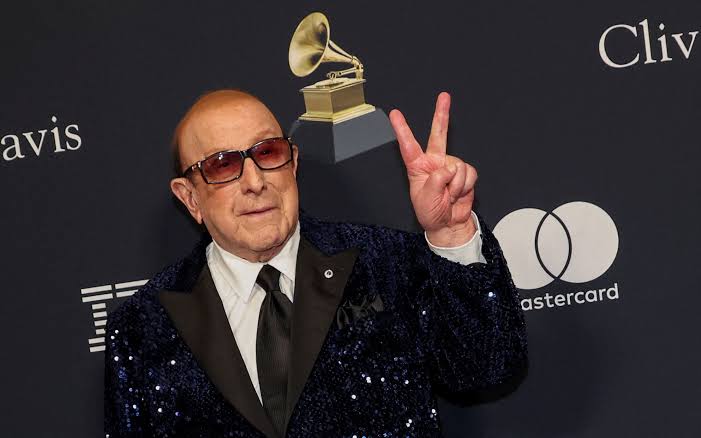
Clive Davis, the influential record executive whose career helped shape the sound of modern popular music and launched the careers of some of the world’s most celebrated artists, has died at the age of 94, according to reports from the Associated Press and multiple media outlets.
Davis, whose extraordinary career spanned more than six decades, was widely credited with discovering, nurturing, and revitalising some of the biggest names in music history. According to reports, Davis passed away Monday, leaving behind a legacy that transformed the recording industry and influenced generations of artists.

AD: Capeesh Restaurant
News of his death prompted tributes from musicians, executives, and fans worldwide. Many remembered him not simply as a record executive but as one of the most influential architects of contemporary popular music.
Born in Brooklyn in 1932, Davis initially pursued a legal career after graduating from Harvard Law School. His path changed when he joined Columbia Records in 1960, eventually rising to become president of the company in 1967. As detailed by Pitchfork, Davis quickly earned a reputation for identifying artists with extraordinary potential long before they became household names.
His influence reached across multiple genres and generations. During his tenure at Columbia and later as founder of Arista Records, he helped shape the careers of artists including Whitney Houston, Alicia Keys, Barry Manilow, Patti Smith, Santana, and Aretha Franklin.

AD: Oysterian Sea Food Restaurant And Bar
Perhaps his most famous discovery was Whitney Houston. Davis signed the young singer to Arista Records and helped guide her ascent to international stardom, a partnership that described as one of the defining relationships of his career.
Under his mentorship, Houston became one of the world’s best-selling artists, cementing both her legacy and Davis’s reputation as one of the music industry’s most influential talent scoutAccording to a career retrospective published by The Wall Street Journal, Davis possessed what colleagues often called “golden ears” an instinctive ability to recognise commercially and artistically successful music before anyone else.
A Career That Changed the Industry
Davis helped redefine how record labels developed artists. Throughout more than six decades in the music industry, he became known for prioritising long-term career building over short-term commercial success. According to reports, his leadership roles at Columbia Records, Arista Records, and later within Sony Music placed him at the center of major shifts in popular music, as he worked across changing industry eras and evolving audience tastes .
The dominance of vinyl records and radio play to the rise of digital distribution, Davis consistently adapted to new formats and trends while maintaining a focus on developing enduring artist careers rather than chasing short-lived hits.
His annual pre-Grammy gala became one of the entertainment industry’s most prestigious gatherings, attracting performers, executives, and celebrities from around the world. The event reflected Davis’s unique position as a connector between creativity and commerce.
Even after stepping back from daily executive duties, Davis remained active in the industry. According to Rock Cellar Magazine, he continued mentoring artists and executives while serving as a respected elder statesman of the music business. Over the course of his career, Davis earned five Grammy Awards and was inducted into the Rock & Roll Hall of Fame in 2000 as a non-performer, a recognition of his profound influence on the music industry.
He also helped establish the Clive Davis Institute of Recorded Music at New York University’s Tisch School of the Arts, which was created following his multimillion-dollar gift to support music education and prepare future generations of recording artists, producers, and industry professionals.
News of his passing spread, streaming platforms and radio stations revisited songs connected to artists whose careers he helped launch. Tributes poured in across social media, with musicians praising his vision, mentorship, and enduring influence. Davis worked behind the scenes, rarely attracting the same spotlight as the artists he championed. Yet, his fingerprints can be found on countless recordings that defined popular music for more than half a century.
His death closes one of the most influential chapters in entertainment history. But through the artists he discovered, the careers he shaped, and the music he helped bring to the world, Clive Davis’s legacy will continue to resonate for generations.
More than six decades, Davis stood at the intersection of artistry and commerce, operating as both a talent scout and an architect of modern popular music. As documented, his influence extended across genres and eras, from the rise of rock in the 1960s to the evolution of pop, R&B, and hip-hop in the decades that followed.
Few executives in the recording industry have maintained such sustained relevance across so many cultural shifts, and even fewer have done so while shaping the creative direction of so many defining artists. Davis’s legacy is not only measured in record sales or chart positions, but in the way he approached artist development as a long-term collaboration.
His leadership at Columbia Records and later Arista Records reflected a consistent belief in nurturing talent beyond a single hit or album cycle. He understood that enduring careers were built through patience, careful curation of material, and an ability to recognise when an artist was ready to evolve. This philosophy helped transform the role of the record executive from a purely commercial decision-maker into a more creative partner in the artistic process.
Over time, Davis became associated with some of the most significant voices in modern music. His work with Whitney Houston, Alicia Keys, Barry Manilow, Santana, and Patti Smith reflected an unusually wide stylistic range, demonstrating his ability to move fluidly between genres while maintaining a consistent ear for commercial and artistic potential.
Each of these artists carried forward not only their own creative identity but also traces of the guidance and infrastructure Davis helped provide at critical early stages of their careers. The broader impact of his career can also be seen in how the music industry itself evolved around him. Formats changed from vinyl records and cassette tapes to CDs and eventually digital streaming Davis remained a central figure in adapting traditional label structures to new realities.
His influence helped shape how labels approached marketing, artist branding, and cross-genre collaboration, contributing to a model of the music business that emphasised both creative longevity and commercial adaptability.
Even in later years, Davis maintained an active presence in the industry, mentoring younger executives and artists while continuing to engage with new music trends. His annual pre-Grammy events became symbolic gatherings that reflected not only his personal stature but also the interconnected nature of modern entertainment, where music, media, and celebrity culture increasingly overlap.
Davis was more than an executive; he was a decisive figure at moments when careers could have gone in entirely different directions. With audiences, his influence was often invisible but ever-present, embedded in the songs that defined generations and the voices that became cultural landmarks.
The industry reflects on his passing, it also reflects on the system he helped build: one where talent identification, artistic development, and commercial strategy are deeply intertwined. That system continues to evolve, shaped by technology and changing listening habits, but it still bears the imprint of his approach.
His legacy endures not as a single achievement, but as a network of careers, recordings, and cultural milestones that continue to circulate globally. In that sense, Clive Davis remains present in the music itself in the voices, the songs, and the enduring idea that great artists, when properly guided, can define entire eras.

AD: Heritage And Restaurant Lounge Bar