
By James Simons-
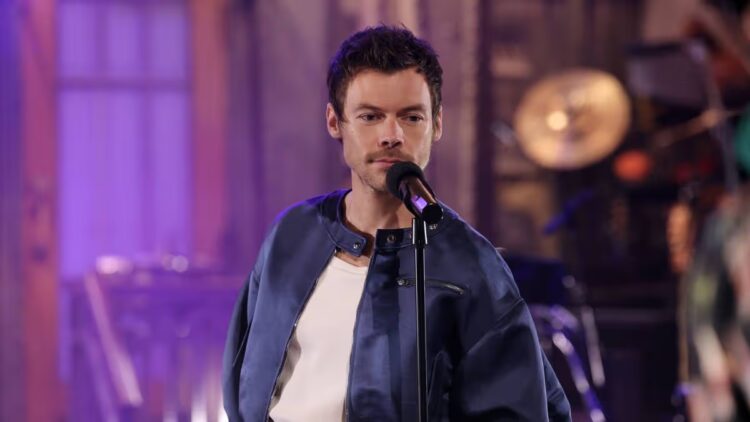
In a monologue that mixed cheeky self‑deprecation, playful social commentary and barbs aimed at one of Britain’s most controversial figures, Harry Styles delivered a standout opening on Saturday Night Live this weekend and it wasn’t just his music that got people talking.
The global pop icon used his return to the SNL stage to poke fun at himself, address long‑running rumours about his public image, and take a pointed jab at Andrew Mountbatten‑Windsor, the former Duke of York whose presence in headlines has been a flashpoint in recent months.

AD: Capeesh Restaurant
The moment instantly went viral, sparking debate on social media and reigniting discussions about public accountability, comedy boundaries, and celebrity influence.
Styles, 32, kicked off the show with humorous reflections on what he described as a surprisingly “boring” period in his life after the end of his Love On Tour run, joking about hobbies like jogging and how the public tends to assign meaning even to the most mundane activities.
“I’m tremendously boring,” he quipped only to pivot that humour into a sharp cultural observation, contrasting his self‑effacing routine with a widely circulated image of Andrew Mountbatten‑Windsor being led in handcuffs following a high‑profile arrest that has dominated headlines.

AD: Oysterian Sea Food Restaurant And Bar
The joke struck a nerve because of what Andrew Mountbatten‑Windsor represents in the public consciousness: a figure whose royal standing has been eclipsed by scandal and legal scrutiny. Andrew’s recent retreat from official roles and the ongoing discussions around his titles have made him a frequent target in satirical and political commentary, both in the UK and abroad.
Styles’ decision to weave this into his monologue on American television not only elicited laughter but also underscored how global media can reshape the narrative surrounding controversial figures.
A Monologue that Cut Both Ways
This wasn’t the first time Styles has used humour and controversy to unique effect on Saturday Night Live. It was his second stint as guest host, and in front of a live studio audience he seemed comfortable steering the conversation in multiple directions from poking fun at critics who have accused him of “queerbaiting” to light‑hearted references to his own beloved catalogue.
At one point, he even staged an onstage kiss with comedian Ben Marshall as a comedic retort to those claims, capitalising on the playful energy that SNL is known for.
Yet it was the moment highlighting Andrew that landed hardest, especially given how rarely British royals are referenced so directly on US late‑night television.
Styles’ comedic strategy here was nuanced: he didn’t deliver a crude insult but rather juxtaposed his own “boring” routine with an increasingly infamous public image surrounding Andrew, underscoring how even subdued life choices can seem appealing compared to headlines that have resonated across continents.
The cultural impact of this joke has been swift. Social media platforms were flooded with reactions within minutes of the episode’s airing, with clips circulating widely and igniting commentary in outlets from late‑night talk shows to music blogs.
Memes, analytical threads and opinion pieces emerged almost instantly, dissecting not only the joke itself but what it says about modern celebrity, reputation and how entertainment intersects with real‑world controversies.
Styles’s performance was a rare blend of pop star vulnerability and comedic savvy. Through juxtaposing self‑mockery with a cultural moment that’s been both sensational and deeply serious the ongoing fallout from allegations and controversies involving Andrew Mountbatten‑Windsor Styles managed to thread humour into a broader conversation about public life and accountability. It’s a balance few entertainers attempt, and even fewer do well on live television.
Critics have been quick to weigh in too. Some pundits have suggested that the moment, while humorous, reflects a shifting dynamic in which British public scandals have become fodder for American pop culture commentary blurring lines between British royal affairs and global entertainment narratives.
Others argue that this illustrates how comedians and performers are increasingly unafraid to treat real‑world controversies as material, especially when the subjects of those controversies have been widely criticised in the news and public discourse.
With his part, Styles seemed unfazed by the buzz his monologue generated. In typical fashion, he doubled down on his signature mix of charm and irreverence throughout the rest of the show showcasing musical performances from his new album Kiss All the Time. Disco, Occasionally. and engaging in sketches that ranged from absurdly silly to sharply topical.
Fans online flocked to clips of his performances of “Dance No More” and “Coming Up Roses,” echoing how his SNL appearances often become instant talking points across pop culture channels.
The timing of the monologue also intersected with broader discussions about Andrew Mountbatten‑Windsor’s role and public image. Since stepping down from official royal duties and relinquishing titles amidst long‑running scrutiny of his associations and conduct, Andrew now using the surname Mountbatten‑Windsor following formal title changes has remained in the headlines far more than many senior royals.
While inserting a playful yet pointed joke about him, Styles inadvertently highlighted the enduring intersection of monarchy, media and public sentiment.
Whatever one makes of the humour, Styles’ SNL monologue made one thing clear: his cultural reach extends far beyond music charts and fashion editorials. In a single televised moment, he managed to blend self‑reflection with social commentary and international political subtext all while keeping millions entertained.
It was a reminder of how comedy, when performed by a globally recognised figure, can act as both a mirror and a magnifying glass for the issues that inform public consciousness today.
With the episode continues to reverberate across social media and news pages, one consequence is certain: Harry Styles has once again shown himself to be not just a pop star, but a performer capable of shaping cultural conversation.
Beyond the immediate laughter elicited by his quip about Andrew Mountbatten‑Windsor, the monologue exemplified how Styles navigates the complex terrain of modern celebrity, blending music, fashion, personal identity, and social commentary into a performance that feels both entertaining and culturally significant.
His ability to take a globally recognisable figure and weave that reference seamlessly into humour without alienating audiences underscores the sophistication of his public persona and his keen understanding of timing, context, and audience sensibilities.
The online reaction illustrates just how powerful a platform like SNL can be when paired with a performer of Styles’ stature. Clips of the joke have racked up millions of views across TikTok, Instagram, and Twitter, with hashtags trending for hours after the broadcast.
Fans and critics alike dissected every nuance of the monologue, debating not only the ethics of targeting a member of the royal family in jest but also what it signals about the evolving relationship between media, fame, and accountability. For many younger viewers, Styles’ approach felt fresh and daring a reminder that comedy can provoke thought as well as laughter.
In the days following the broadcast, commentators on late-night talk shows, entertainment websites, and international news outlets cited the monologue as evidence that Styles continues to wield influence far beyond the music charts.
His choice to confront topical issues, even lightly, positions him as an artist unafraid to engage with the world around him whether that be through humour, song, or visual storytelling.
While it remains uncertain whether the moment will have lasting consequences for Andrew Mountbatten‑Windsor or the public perception of him, there is no doubt that Harry Styles’ SNL performance will be studied as a defining moment in his career: a blend of charisma, wit, and cultural commentary that leaves audiences laughing, thinking, and talking long after the cameras stop rolling.

AD: Heritage And Restaurant Lounge Bar