
By Ben Kerrigan-
The long‑anticipated reprieve for borrowers and businesses in the United Kingdom a cut to interest rates is now widely expected to be off the table, as geopolitical tensions in the Middle East exert fresh pressure on inflation, energy costs and financial markets, according to economists and market analysts.
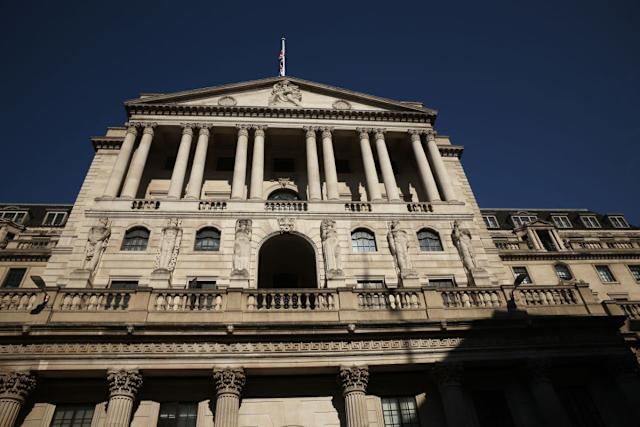
The Bank of England is forecast to keep borrowing costs unchanged at 3.75 per cent at its upcoming March Monetary Policy Committee meeting, as policy‑makers weigh global uncertainties and rising costs for households and firms.

AD: Capeesh Restaurant
Across government offices, banking circles and city trading floors, the narrative has shifted in recent weeks. What had once looked like a steady path to lower borrowing costs a welcome development for mortgage holders and small business owners after years of high rates now seems derailed by an international crisis that could reverberate through the UK economy well into 2026.
While energy markets grow volatile, driven by concern over supplies from the Strait of Hormuz and oil price spikes, inflation expectations are worsening, making it less likely that the Bank will cut rates in the near term.
The backdrop to this shift is an increasingly fraught geopolitical landscape. The conflict involving Iran and wider Middle Eastern tensions has elevated geopolitical risk premiums in commodity markets, especially oil and gas prices. With roughly a fifth of the world’s oil passing through the Strait of Hormuz, disruptions or threats in the region quickly filter through to global energy costs.

AD: Oysterian Sea Food Restaurant And Bar
That dynamic has already been felt in the UK: lenders have responded by raising mortgage rates above 5 per cent and withdrawing hundreds of deals ahead of the Bank’s policy meeting, as expectations for easier monetary policy fade.
Economists say that sustained energy price pressures complicate the Bank of England’s task of balancing inflation and growth. In the months before the current conflict, inflation in the UK had been slowing towards the Bank’s 2 per cent target, prompting hopes of rate cuts that could provide relief to strained households amid the ongoing cost‑of‑living crisis.
But renewed spikes in wholesale energy costs driven by fear of supply disruption rather than immediate shortages risk reinvigorating price pressures, making policymakers more cautious about loosening monetary conditions prematurely.
Financial markets have adjusted accordingly. Bond yields have climbed as investors price in higher near‑term inflation risks, while swap rates suggest that any rate cuts may now be postponed into the second quarter of 2026 or later.
Major financial institutions such as Standard Chartered and Morgan Stanley have revised down earlier rate‑cut forecasts, citing the energy‑linked inflation outlook and the need for the Bank to remain vigilant on price stability.
The broader UK economy also paints a picture of fragility. Recent figures from the Office for National Statistics show that UK gross domestic product flatlined in January, with zero growth, underscoring the challenges of balancing stagnation and inflationary risk.
Analysts warn that higher energy prices could dampen consumer spending further, squeezing household budgets already stretched by high rents, food costs and utility bills.
Economic Strain at Home and Abroad
With everyday Britons, the implications of a postponed interest‑rate cut are tangible. First‑time buyers, whose hopes of lower mortgage costs had been buoyed by talk of rate cuts, now face a future of higher borrowing costs for longer, as average fixed mortgage rates climb above 5 per cent.
Meanwhile, businesses dependent on credit for investment may delay expansion or hiring, affecting growth and productivity at a critical moment.
The housing market is feeling the strain too. Recent surveys suggest that expectations for UK house price growth have deteriorated significantly, with buyer demand falling amid concerns about affordability and borrowing costs.
Such softness reflects a broader confidence slump among households and prospective homeowners, who are monitoring not just domestic economic signals but also how international conflict feeds into inflation and monetary policy.
Political leaders and policymakers are under pressure to respond. Within government circles, there is debate over whether to adjust tax or support measures to help households through a period of elevated energy costs.
The Energy Secretary has even suggested that planned fuel duty hikes might be scrapped if the conflict drags on, an acknowledgment of the intersecting pressures of global tensions and domestic economic wellbeing.
Yet when it comes to interest rates, the Bank of England must tread carefully. Cutting too soon risks stoking inflation expectations, particularly if energy price pressures persist. Conversely, keeping rates high for longer can slow borrowing, hamper investment and squeeze consumer demand a delicate balance that central bankers describe as walking a tightrope.
Economists are also watching the European Central Bank and other major central banks for signs of coordinated responses, as inflationary pressures from energy markets are global in nature.
How the Bank of England’s Monetary Policy Committee interprets incoming inflation data, wage growth figures and global risk indicators will likely determine whether the UK can avoid a protracted period of tight monetary policy.
With rate‑cut hopes remain largely on hold. Borrowers, investors, and policymakers alike will be watching closely as the Bank weighs the risks of an unstable global energy market against the need to foster a resilient and equitable domestic economy a task made all the more complex by events unfolding thousands of miles from London’s financial district.
The challenge lies in balancing immediate pressures with long-term economic stability: while households face the prospect of sustained high borrowing costs, the Bank must remain alert to the inflationary ripple effects of geopolitical shocks that could easily undo years of monetary progress.
In practical terms, this means that families hoping for relief on mortgage repayments may need to brace for continued financial strain, particularly as energy bills remain sensitive to global oil and gas price fluctuations.
Investors, too, are navigating a fraught landscape. Equity markets have shown increased volatility, reacting not only to corporate earnings and domestic policy signals but also to the broader uncertainty generated by conflict in the Middle East.
Bond yields and swap rates have shifted in response, signalling the market’s perception that the Bank may prioritise inflation control over rate cuts for the foreseeable future. Analysts note that this environment requires careful hedging and long-term planning, particularly for pension funds, insurers, and institutional investors whose returns are tied closely to interest rate movements.
Meanwhile, businesses face their own set of dilemmas. Companies reliant on borrowing for expansion or operational cash flow must weigh the cost of credit against projected returns, potentially delaying investment or hiring decisions.
Smaller enterprises, which often operate on tighter margins, could be particularly vulnerable to the combination of elevated input costs and high interest rates.
Policymakers are acutely aware that prolonged financial strain on households and firms could dampen economic growth, requiring careful communication and potentially targeted fiscal measures to prevent a slowdown from becoming a prolonged stagnation.
In essence, the Bank of England’s stance reflects a careful calculus, balancing domestic economic needs against a backdrop of global uncertainty.
While the immediate prospect of rate cuts may have receded, the broader economic narrative continues to unfold, with households, investors, and businesses all watching closely for the next signals from policymakers in a world where geopolitical crises and domestic pressures are inextricably linked.

AD: Heritage And Restaurant Lounge Bar