
By Ben Kerrigan-
The United Arab Emirates has accused Iran of resuming attacks on its territory and commercial shipping, even as the United States insists progress is being made to secure safe passage through the strategically vital Strait of Hormuz.
The competing narratives underscore a rapidly escalating crisis in the Gulf, where military confrontation, economic disruption, and diplomatic brinkmanship are unfolding simultaneously.

AD: Capeesh Restaurant
According to Emirati officials, Iranian drone and missile strikes targeted infrastructure and vessels linked to the country, including an oil facility in Fujairah and a tanker associated with the Abu Dhabi National Oil Company. The UAE described the incidents as a direct threat to regional stability and global energy supplies, warning that attacks on commercial navigation amount to “economic blackmail” and piracy.
Air defence systems in the UAE were activated repeatedly, intercepting incoming drones and missiles as alerts sounded across parts of the country. The reported attacks mark a continuation of hostilities despite a fragile ceasefire framework that had raised cautious hopes of de-escalation only weeks earlier.
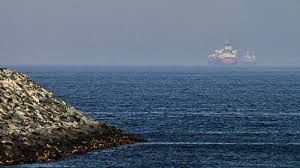
The renewed strikes come amid a broader pattern of Iranian military activity in and around the Strait of Hormuz, where vessels have been targeted with drones, missiles, and fast-attack boats. In one of the most serious incidents, a South Korean-operated ship was damaged, while other vessels reported explosions or fires during transit.

AD: Oysterian Sea Food Restaurant And Bar
With UAE, the situation reflects growing concern that Iran is using the waterway as leverage in a wider geopolitical struggle. Nearly one-fifth of the world’s oil supply passes through the narrow strait, making any disruption a global economic issue rather than a purely regional one.
While the UAE points to escalating aggression, U.S. officials have emphasised signs of progress, highlighting efforts to reopen the Strait of Hormuz under a military initiative known as “Project Freedom.” The operation aims to escort commercial vessels safely through the contested corridor, countering Iranian attempts to restrict access.
American military officials confirmed that two U.S.-flagged merchant ships had successfully transited the strait under naval protection, a development presented as evidence that freedom of navigation can be restored despite ongoing threats. Senior officials have also stated that U.S. forces intercepted drones and missiles and destroyed several Iranian boats attempting to disrupt shipping lanes.
However, these claims stand in stark contrast to Iran’s actions on the ground or rather, at sea. Iranian forces have continued to challenge both military and civilian vessels, even reportedly firing on U.S. warships in incidents that Washington says caused no damage but highlight the fragility of the situation.
The United States maintains that it does not recognise Iranian control over the strait and has pledged to keep the route open. Officials argue that sustained naval presence and international coordination will ultimately deter further attacks and stabilise the corridor.
Analysts warn that the gap between rhetoric and reality remains significant. While escorted ships have begun to move, the broader security environment is far from stable. Insurance costs for shipping have surged, some vessels continue to avoid the area entirely, and global oil markets have reacted sharply, with prices jumping amid fears of prolonged disruption.
The crisis also exposes deeper geopolitical fault lines. Iran has framed its actions as a response to foreign military presence and sanctions, warning that any unauthorised entry into the strait could be treated as a violation of sovereignty. Gulf states and Western allies view Iran’s tactics as an attempt to weaponize a critical global trade route.
Diplomatic efforts are ongoing, with the United States and its allies reportedly working on a United Nations resolution to pressure Tehran into halting its attacks. But with incidents continuing and both sides hardening their positions, the prospect of a lasting resolution remains uncertain.
While tensions persist, the Strait of Hormuz has once again become a focal point of global concern, a narrow stretch of water carrying immense strategic weight. The UAE’s warnings of renewed Iranian aggression, set against U.S. claims of progress, capture the uneasy reality of a conflict that is neither fully escalating nor truly contained.
Even the perception of instability in the strait is enough to trigger immediate consequences. Energy traders have reacted nervously to each reported incident, with oil prices experiencing sharp fluctuations as insurers reassess risk and shipping companies weigh the costs of rerouting.
The strait handles a significant share of the world’s seaborne crude exports, particularly from Gulf producers, meaning that any sustained disruption could ripple far beyond the region, affecting fuel prices, inflation, and economic stability across Europe, Asia, and beyond.
At the center of the geopolitical standoff is Iran, which continues to frame its actions as defensive and tied to broader disputes with Western powers. Iranian officials have repeatedly signalled that control over access to the strait remains a strategic lever, especially in response to sanctions and military pressure.
While Tehran has stopped short of declaring a formal blockade, its pattern of harassment, including drone activity and the interception of commercial vessels, has created a climate of uncertainty that serves many of the same purposes.
Opposing this stance is the United States, which has doubled down on its commitment to maintaining open shipping lanes. Through naval patrols and escorted transits, U.S. forces are attempting to project both deterrence and reassurance, signaling to allies and markets that the waterway will remain navigable.
The presence of military assets from multiple nations in such a confined space also raises the risk of miscalculation, where a single incident could escalate rapidly into a broader confrontation.
The United Arab Emirates and other Gulf states, the stakes are immediate and tangible. Beyond the economic impact, the reported strikes on infrastructure and vessels represent a direct security concern.
The UAE’s increasingly vocal stance reflects a shift toward more assertive diplomacy, calling for international intervention while strengthening its own defensive posture. Regional cooperation has also intensified, with neighboring countries sharing intelligence and coordinating responses to potential threats.
Meanwhile, diplomatic channels remain active but fragile. Efforts at de-escalation, involving backchannel negotiations and multilateral discussions, have yet to produce a durable breakthrough.
Analysts note that both sides appear to be calibrating their actions carefully pushing boundaries without crossing thresholds that would trigger full-scale conflict. This delicate balance has created a prolonged state of tension, where incidents occur frequently but stop short of igniting a wider war.
The broader international community is watching closely. Countries heavily dependent on Gulf energy supplies, including major Asian economies, have urged restraint while quietly preparing contingency plans. European leaders have also expressed concern, emphasising the importance of stability in global supply chains already strained by other geopolitical pressures.
The situation in the Strait of Hormuz underscores a persistent truth about modern geopolitics: that critical infrastructure, especially chokepoints of trade and energy, can become flashpoints where local disputes take on global significance.
Long as competing narratives continue of aggression on one side and progress on the other the risk of further disruption will remain. Currently, the strait represents a symbol of inter-connectedness and a reminder of how rapidly that interc-onnectedness can be challenged

AD: Heritage And Restaurant Lounge Bar