
By Lucy Caulkett-
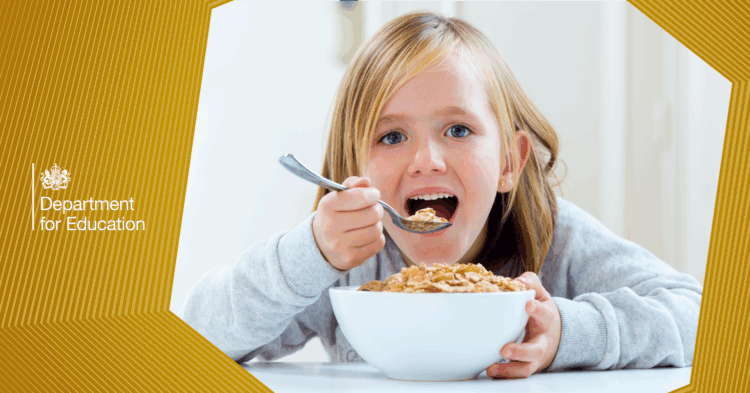
The UK government has announced a major expansion of its free breakfast club programme, rolling out the initiative to hundreds more primary schools and urging even more to sign up as part of a long‑term strategy to support children’s wellbeing, tackle food insecurity, and ease the pressures facing working families.
From April 2026, over 500 additional primary schools across England will begin offering free breakfast clubs as part of the national rollout, bringing the total number of schools in the scheme to more than 1,250 and benefiting around 300,000 extra pupils.

AD: Capeesh Restaurant
The Department for Education (DfE) has confirmed that applications are open for a further wave of schools to join in September 2026, with the aim of reaching up to 680,000 children in total by the end of the rollout’s first year.
The expansion fulfils a key pledge in the Labour Party’s 2024 manifesto to provide free breakfast clubs in every primary school across England.
The programme is designed to ensure that children start their day ready to learn, while offering practical support for families struggling with the rising cost of living and limited childcare options. Schools joining the scheme are funded to deliver at least 30 minutes of free breakfast before lessons begin, giving pupils a nutritious meal and some supervised time before class.

AD: Oysterian Sea Food Restaurant And Bar
Education Secretary Bridget Phillipson said the rollout would help “transform morning routines up and down the country,” especially for working parents. “Free breakfast clubs are giving every child the best start in life delivering on our plan for national renewal,” she said, emphasising the role the initiative plays in both educational outcomes and family support.
How the Expansion Works and What It Means for Schools and Families
The free breakfast club scheme requires participating schools to offer meals that meet official School Food Standards, ensuring children receive a nutritious start to their day. Breakfast clubs must be delivered at least 30 minutes before the official start of the school day, and be free and accessible to all pupils from Reception to Year 6.
In return, schools receive a £1 per pupil daily payment, as well as a £25 per day fixed contribution to help cover staffing and administrative costs. Additionally, a £1,000 start‑up grant is available to cover equipment and initial materials needed to launch a club.
The programme builds on a successful pilot introduced in April 2025, when 750 primary schools began offering free breakfast as part of a test‑and‑learn phase. Early data suggested high levels of engagement and positive feedback from participating schools, with reports of improved attendance, more punctual arrivals, and pupils feeling better equipped to focus on learning.
During the pilot’s first term, it was estimated that the clubs had already served two million meals, indicating significant uptake and impact.
For many families, the clubs represent practical financial relief. Government analysis suggests that access to free breakfasts and supervised morning time can save parents up to £450 a year per child and give back nearly 100 hours of time that would otherwise be spent managing morning routines or seeking childcare.
Such savings are especially welcome in communities hardest hit by inflation, housing costs, and limited access to flexible work arrangements.
Headteachers and school leaders have welcomed the scheme’s expansion but emphasise the need to support schools through practical challenges.
Paul Whiteman, general secretary of the National Association of Head Teachers (NAHT), said a nutritious breakfast “helps children to focus on their learning and has huge benefits for their health and wellbeing,” while also noting that schools need clear guidance on overcoming obstacles such as space limitations, staffing, or funding concerns.
Headteachers like Diane Newton of Field Road Academy in Bloxwich have pointed out that offering free breakfast to all pupils helps to eliminate stigma. By making the clubs universal rather than means‑tested, schools aim to create a sense of normalcy and inclusivity around the provision, ensuring no child feels singled out for receiving support.
Parents, teachers and union representatives have said this approach fosters a healthier culture where benefitting from the programme is simply part of everyday school life.
Despite widespread support, some school leaders have previously expressed concerns that initial funding rates were insufficient when the pilot began, with calls for better coverage of staff costs and resources.
The expanded funding structure for the national rollout reflects some of these concerns, with higher per‑pupil support and guaranteed daily grants designed to make the programme sustainable for a more diverse range of schools.
Ensuring that spaces, staffing, and supply chains for healthy food are in place and supported will be essential to the scheme’s effectiveness as it continues to grow.
A National Commitment to Breakfast and Child Wellbeing
The expansion of free breakfast clubs is part of a broader national commitment to improving child welfare and narrowing inequalities in educational outcomes.
Government guidance states the long‑term goal is to establish free breakfast clubs in every state primary school in England a commitment rooted in evidence that children who begin their day with a nutritious meal are more likely to succeed academically, socially, and emotionally.
The national rollout is designed to particularly support schools where disadvantage and free school meal eligibility are highest, ensuring that children who are most at risk of learning barriers benefit earliest from the programme.
The DfE says this focus reflects a strategy not just to alleviate immediate hunger but to tackle longer‑term educational inequality and help close attainment gaps between pupils from different backgrounds. In this initiative, the government is urging schools to explore innovative ways for breakfast clubs to serve as community centers.
Some schools are exploring partnerships with local organisations, using breakfast club spaces to foster parent engagement, nutritional education, and community outreach extending the benefits of the scheme beyond the school gate and into wider social support networks.
Research from the pilot phase also highlighted how breakfast clubs can complement wider efforts to tackle public health challenges such as childhood obesity. A healthy, structured morning meal helps set positive dietary patterns early in life, and reduces the likelihood that children skip breakfast or rely on high‑sugar, low‑nutrient alternatives.
This aligns with broader government campaigns aimed at encouraging healthier lifestyles and reducing long‑term health inequalities.
Additionally, independent programmes like Greggs Foundation’s Breakfast Club network which has already helped set up over 1,000 clubs nationwide and served millions of meals illustrate the broader cultural and community appetite for initiatives that ensure children don’t start school hungry and are better prepared to learn.
These efforts dovetail with the government’s rollout by providing complementary support and demonstrating how community organisations can partner with public programmes to amplify impact.

AD: Heritage And Restaurant Lounge Bar