
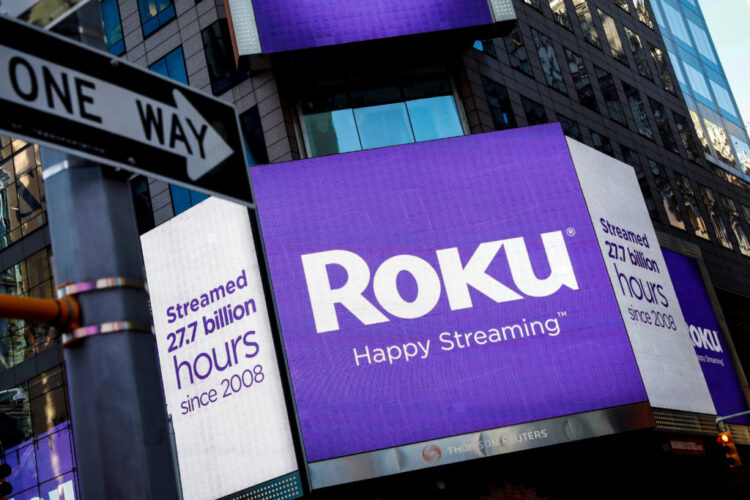
By Theodore Brown-
Fox Corporation has agreed to acquire streaming pioneer Roku in a landmark $22 billion cash-and-stock transaction, a deal that could significantly alter the balance of power in the rapidly evolving television and streaming industry.
Announced on June 15, the acquisition marks Fox’s largest-ever purchase and its most ambitious move into digital distribution. The transaction combines one of America’s most influential media companies with the leading connected-TV platform, creating a new media powerhouse positioned at the intersection of content, advertising and streaming technology.

AD: Capeesh Restaurant
The acquisition comes at a pivotal moment for the entertainment sector. Traditional television audiences continue to migrate toward streaming platforms, while media companies increasingly seek direct access to viewers rather than relying on cable and satellite distributors.
With Fox, which has largely focused on live sports, news and ad-supported streaming services in recent years, the Roku deal represents a bold effort to secure a stronger foothold in the digital ecosystem.
Fox Chief Executive Lachlan Murdoch described the transaction as a “defining moment” for the company, emphasizing the strategic advantages of combining Fox’s content portfolio with Roku’s massive audience reach. Roku’s platform currently serves more than 100 million households, making it one of the most influential gateways through which consumers access streaming content.

AD: Oysterian Sea Food Restaurant And Bar
Industry analysts have long viewed distribution control as one of the most valuable assets in modern media. While companies such as Netflix, Disney and Amazon compete primarily through content, Roku has built its business around the technology and operating systems that connect viewers to those services. The company was among the first to bring streaming applications into mainstream television viewing, helping transform consumer habits over the past decade.
The acquisition highlights how the streaming industry has entered a new phase of consolidation. Growth rates have slowed across much of the sector, advertising has become increasingly important, and companies are searching for greater scale to compete effectively.
Through purchasing Roku, Fox gains access not only to a large user base but also to sophisticated advertising technology that could help monetise its sports and news programming more efficiently. The deal provides resources and strategic backing at a time when competition among streaming platforms and connected-TV providers has intensified.
Despite maintaining a strong market presence, Roku has faced pressure from larger technology companies that bundle streaming services with broader hardware and software ecosystems. Analysts say joining forces with Fox could provide the scale needed to compete more aggressively in coming years.
A New Streaming Powerhouse
The proposed merger creates a company that blends content ownership, advertising expertise and distribution technology under a single corporate structure. Fox brings a portfolio that includes national sports rights, news programming and entertainment assets, while Roku contributes its operating system, streaming devices and advertising-supported content platform.
One of the most closely watched aspects of the transaction is how Roku’s streaming operations will integrate with Fox’s existing digital businesses. Roku operates The Roku Channel, one of the largest free ad-supported streaming television services in the United States.
Fox, meanwhile, owns Tubi, another major free streaming platform that has grown rapidly in recent years. While executives have indicated the services may initially remain distinct, industry observers expect substantial collaboration between the two platforms over time.
Advertising is expected to be a central driver of the deal’s economics. Connected television advertising has become one of the fastest-growing segments of the media industry, attracting marketers seeking alternatives to traditional broadcast and cable television.
Roku’s advertising technology allows companies to target audiences with far greater precision than conventional television advertising, a capability that could significantly enhance the value of Fox’s premium live programming.
The financial structure of the acquisition reflects Fox’s confidence in the long-term benefits of the merger. Roku shareholders will receive a combination of cash and Fox Class A shares, while Fox shareholders are expected to retain approximately 73% ownership of the combined company.
Reports indicate that Fox will assume billions of dollars in additional debt as part of the transaction but expects substantial operational synergies and cost savings over time.
Investor reaction was mixed immediately following the announcement. Fox shares declined sharply in early trading, reflecting concerns about the size of the acquisition and the debt required to finance it.
Roku shares also traded below the offer price, suggesting some uncertainty about regulatory approvals and the transaction’s eventual completion. Nevertheless, many analysts argue that the strategic logic behind the deal remains compelling.
The move also underscores a broader transformation in Fox’s corporate strategy. Since the 2019 sale of many entertainment assets to Disney, Fox has concentrated on live programming and advertising-supported businesses rather than competing directly in the subscription streaming wars. Acquiring Roku signals an expansion of that strategy, giving Fox ownership of both valuable content and one of the industry’s most important distribution platforms.
Industry Impact and Challenges Ahead
The implications of the acquisition extend far beyond the two companies involved. If completed, the merger could accelerate consolidation across the media and technology sectors as rivals seek similar combinations of content, advertising and distribution capabilities.
The combined company would emerge as one of the largest television and streaming players in the United States by viewing share. That increased scale could strengthen Fox’s negotiating position with advertisers, content providers and technology partners. It may also give the company greater influence over how streaming services are presented and discovered by viewers using connected televisions. However, the transaction is not without risks. Integrating two large organisations with different corporate cultures and business models can be challenging.
Roku has traditionally operated as a platform company serving a wide range of streaming services, while Fox is primarily a content producer and broadcaster. Maintaining Roku’s neutrality while advancing Fox’s strategic interests could become a delicate balancing act.
Regulatory scrutiny may also emerge as the deal moves through the approval process. Although observers expect fewer antitrust concerns than in some recent media mergers, regulators will likely examine the implications of combining a major content owner with a leading streaming platform. The companies expect the transaction to close during the first half of 2027, pending shareholder and regulatory approvals.
Consumer reaction has been mixed in the immediate aftermath of the announcement. Discussions across social media and online forums reveal both optimism about innovation opportunities and concerns about further concentration within the media landscape.
Some Roku users have questioned whether the platform will remain independent in its treatment of competing services, while others believe the additional investment could accelerate product development and improve content offerings.
Ultimately, the acquisition reflects the realities of a media industry undergoing profound transformation. Success is no longer determined solely by owning popular programming. Increasingly, the winners are companies that control both the content audiences want to watch and the platforms through which they watch it.
With Fox, the $22 billion purchase represents a calculated gamble that the future of television lies not just in producing content, but in owning the digital gateways that connect viewers to it. With Roku, the deal offers a path toward greater scale and resources in an increasingly competitive market. And for the broader industry, it signals that the next chapter of the streaming era may be defined less by launching new services and more by consolidating the infrastructure that powers them..

AD: Heritage And Restaurant Lounge Bar