
By Charlie Car MIchael-
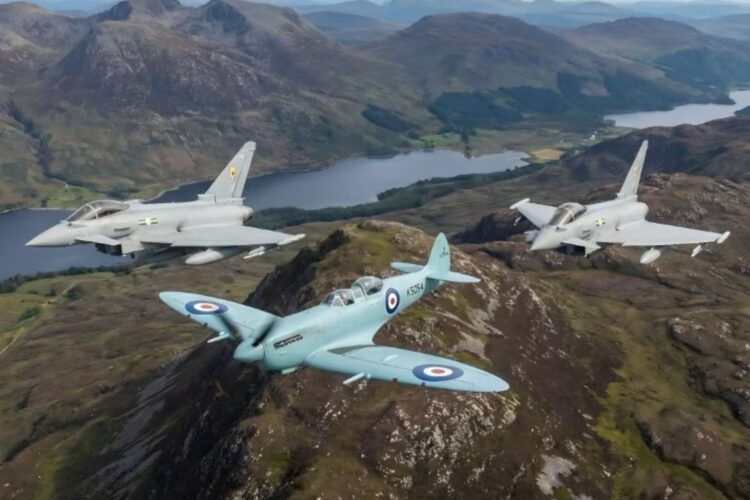
In an unprecedented demonstration of old‑meets‑new in aviation, Lockheed Martin F‑35 fighter jets have escorted a restored Supermarine Spitfire on a nationwide commemorative tour of Britain marking both the 90th anniversary of the iconic World War II fighter’s first flight and a striking symbolic moment in UK aviation history.
The Spitfire, an enduring emblem of Britain’s wartime resilience, is retracing its historic roots as it journeys between airfields and heritage sites; its escort by modern F‑35s the backbone of the Royal Air Force’s (RAF) current combat fleet underscores the evolution of British air power from 1936 to the present day.

AD: Capeesh Restaurant
Although the concept of a fighter escort may once have been associated with long‑range missions in the Second World War, this event is the first of its kind, bringing together the legendary propeller‑driven Spitfire and cutting‑edge jets in a formation flight over British skies captivating enthusiasts and the wider public alike as part of celebrations that span from Southampton to Scotland’s northern reaches.
The nationwide tour, which commenced on Tuesday, April 7, began at Southampton International Airport the site of the original Supermarine Spitfire’s first flight on 5 March 1936 where the specially restored two‑seat aircraft lifted off, painted in the colours of prototype K5054.
Over nine days and nine distinct legs, the Spitfire will visit historically significant locations including RAF Coningsby, RAF Leuchars, RAF Lossiemouth and Prestwick, each stop highlighting an important chapter in the aircraft’s near‑century legacy.

AD: Oysterian Sea Food Restaurant And Bar
Members of the public have been able to bid for a rare opportunity to sit in the rear cockpit of the Spitfire as it completes the circumnavigation a once‑in‑a‑lifetime experience that also supports charitable causes such as the Mark Long Trust and the RAF Benevolent Fund.
It is an ambitious homage to a design that helped shape not only British defensive strategy in the skies over Europe but also international perceptions of air power. The Spitfire’s lightweight elliptical wing, powerful Rolls‑Royce Merlin engine and agile performance helped it become a symbol of the Battle of Britain in 1940, standing shoulder to shoulder with defenders against the Luftwaffe.
Across this commemorative tour, the Spitfire will be accompanied at various stages by modern RAF assets including F‑35s illustrating the dramatic advancements in aviation technology. These jets represent the cutting edge of contemporary combat aircraft, operated jointly by the RAF and the Royal Navy’s Fleet Air Arm.
The inclusion of F‑35s fifth‑generation stealth multirole fighters in this commemorative event elevates it beyond a nostalgic celebration, signalling the continuity and transformation of British air capabilities over nine decades.
These aircraft, with advanced sensors, stealth characteristics and networked data systems, stand in stark contrast to the mechanical purity and visceral roar of the Spitfire’s Merlin engine.
With the RAF and its pilots, the sight of F‑35s soaring alongside a Spitfire is not merely symbolic. It embodies a lineage stretching from propeller‑powered defence in the early 20th century to electronic warfare, precision engagement and global interoperability in the 21st.
The RAF has steadily expanded its Lightning fleet as part of long‑term planning to maintain a robust and flexible combat force well into the next decade.
The story resonated on digitised news platforms as well, with aviation aficionados sharing images and commentary as the formation flights took to the air. While this specific escort event remains limited, wider reporting on the Spitfire’s 90th anniversary has highlighted the aircraft’s enduring cultural and historical impact, including why it remains “so iconic” nearly a century on.
The tour has stimulated discussions on the evolution of fighter design. The contrast between the Spitfire’s elegant, hand‑crafted structure and the F‑35’s high‑tech composite materials and integrated avionics illustrates how radically the aerospace landscape has changed yet also how themes of national pride, technological ambition and aerial mastery persist through generations.
Veteran pilots, engineers and supporters have gathered along the tour route to witness the dual‑era formation, many expressing awe at how the Spitfire, once at the cutting edge of military aviation, now flies in formation with jets embodying next‑generation warfare capabilities.
The event has also prompted reflections on the place of heritage in modern defence identity. While the roar of jets and the Spitfire’s propeller may signify different epochs, both draw on a shared legacy of innovation, courage and the enduring human fascination with flight a narrative that resonates deeply across communities big and small.
While the tour concludes later this week, anticipation will build for future commemorative events that bridge past and present in British aviation. With millions of Britons and visitors alike, they will remember the sight of old and new fighters carving through the skies above the United Kingdom a vivid tribute not only to the Spitfire’s 90th anniversary but to almost a century of aerial achievement.
The emotional resonance of seeing a Spitfire, its polished fuselage gleaming in the sunlight, flanked by stealthy F‑35s, cannot be overstated. To spectators, the spectacle serves as a tangible reminder of the sacrifices, innovation, and courage that have underpinned British air power from the earliest days of flight through the modern era of digital warfare.
The event also ignites conversations about the evolution of technology and the enduring role of aviation in national identity. From the hand‑crafted engineering marvels of the 1930s to today’s networked, multi-role fighters, the progression reflects a continuous thread of ingenuity, resilience, and strategic foresight.
Educational programs accompanying the tour allow students and enthusiasts to engage with both historical and technical aspects of aviation, fostering a new generation of engineers, pilots, and historians inspired by the legacy of the Spitfire and the cutting-edge capabilities of the F‑35.
Moreover, the tour reinforces Britain’s commitment to preserving and celebrating its aviation heritage while embracing the future. Museums, airshows, and collaborative events with the RAF and aerospace organisations are likely to expand, offering similar dual-era experiences that highlight continuity and progress.
In years to come, the imagery of propeller-driven fighters soaring alongside state-of-the-art jets will remain a defining cultural memory, reminding people that the skies over Britain have always been a canvas for bravery, innovation, and national pride. This blend of nostalgia and forward-looking ambition emphasises the enduring fascination with flight and the remarkable story of British aviation.

AD: Heritage And Restaurant Lounge Bar