
By Sammy Jones-
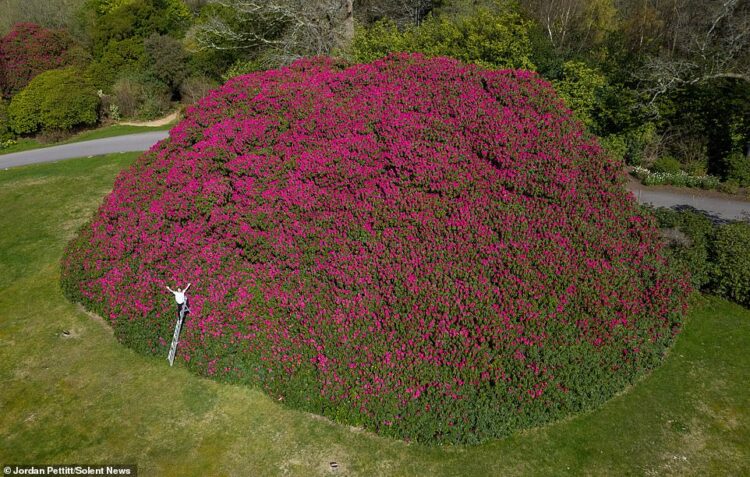
In the rolling landscapes of West Sussex, a plant has been quietly capturing the imagination of botanists, gardeners and curious locals alike; England’s largest rhododendron, now reported to be as wide as ten double‑decker buses. The remarkable size of this sprawling shrub estimated to span several metres in width has turned what might once have been an unnoticed perennial into a celebrated horticultural icon, drawing visitors from across the region to admire its growth and seasonal blooms.
The rhododendron in question has been nurtured for decades in a longstanding garden setting, where generous rainfall, mild temperatures and careful care have allowed it to flourish. Local gardeners say such specimens are rare a rhododendron of this width and breadth is seldom seen outside botanical collections or estate grounds.

AD: Capeesh Restaurant
Its size has now become a talking point across social media and gardening forums, where plant lovers enthusiastically share photos and anecdotes about this leafy leviathan.
While ordinary rhododendrons are known for their bright cluster blooms and evergreen foliage, this particular bush has taken those characteristics to extraordinary proportions.
Describing it as simply “large” almost feels inadequate; its girth compared by observers to the span of more than half a rugby pitch challenges common perceptions of what a garden shrub can become. The comparison with double‑decker buses icons of British transport and culture has helped convey its scale to those who haven’t seen it in person.

AD: Oysterian Sea Food Restaurant And Bar
The significance of this rhododendron isn’t just its size, though. It speaks to a broader fascination with giant and historic plants in the United Kingdom, which has a long tradition of cultivating impressive botanical specimens owing to temperate climate and rich gardening heritage.
With ancient oaks to towering redwoods introduced in the 19th century, the UK’s gardens and parklands are dotted with flora that inspire awe and curiosity.
Experts suggest that this giant rhododendron likely began its life many decades ago, perhaps even more than a century past. Many of the earliest rhododendrons in Britain were brought here from Asia during the Victorian era, when exotic plants were prized by collectors and explorers. Over time, these introductions became cherished features of British gardens, particularly in regions where conditions suit their growth.
While a plant ages, its root systems spread and stabilise, allowing it to support wider canopies and generate more expansive foliage. Coupled with consistent care such as pruning, soil enrichment and protection from extreme weather a rhododendron can grow far beyond the stature seen in most domestic gardens.
Given the right combination of genetic potential and environmental factors, such an enormous specimen is rare but not entirely unprecedented.
A Living Landmark and Seasonal Spectacle
Beyond sheer size, the West Sussex rhododendron has become a seasonal spectacle. During its flowering period, the shrub bursts into a riot of colour, with clusters of blossoms that can carpet its sprawling mass. To many visitors, seeing the plant in full bloom is an unforgettable experience a vivid reminder of the beauty and resilience of plant life.
Gardeners and botanical organisations have shown significant interest in documenting the growth of large rhododendrons and providing guidance for enthusiasts on how to cultivate them successfully. While not every rhododendron will reach record-breaking proportions, this colossal specimen serves as inspiration for those aiming to nurture their own thriving green spaces.
Experts emphasise that, under favourable conditions including acidic, well-drained soils, consistent watering, mulching, and protection from harsh winds rhododendrons can achieve impressive growth and vibrant seasonal blooms.
Organisations such as the Royal Horticultural Society (RHS), specialist nurseries like Rhododendrons UK, and gardening publications like The English Garden provide detailed advice, encouraging gardeners to care for these plants with patience and precision.
This guidance underscores how, even for familiar garden shrubs, careful attention to environmental factors and consistent maintenance can enable them to reach their full potential, inspiring both amateur and experienced horticulturists alike.
Local conservationists also note that large, established shrubs like this rhododendron play a valuable role in supporting wildlife. Dense foliage provides shelter for small birds and insects, and abundant flowers offer nectar for pollinators during blooming seasons. In this sense, the giant rhododendron contributes to both biodiversity and the cultural landscape.
What began as a modest backyard curiosity has now evolved into a botanical landmark, capturing the imagination of gardeners, botanists, and casual visitors alike.
The sheer scale of England’s largest rhododendron demonstrates that, even in a world dominated by engineered landscapes, high-rise developments, and meticulously controlled urban gardens, nature retains a remarkable capacity for growth, resilience, and surprise.
Its sprawling canopy, stretching as wide as ten double-decker buses, is a living testament to the interplay between careful cultivation and the intrinsic vitality of plant life.
To those passing by or planning a visit, the shrub is more than a spectacle; it is an invitation to reflect on the patience, attention, and care required to nurture living organisms over decades, and the profound rewards that such dedication can yield.
The rhododendron also embodies a deep connection to England’s rich horticultural heritage. With the Victorian era onward, gardeners and plant collectors have prized exotic and ornamental species, cultivating them in private estates, botanical gardens, and public parks.
Over time, these introductions have become landmarks in their own right, blending historical legacy with the beauty of natural growth. This particular rhododendron, thriving in West Sussex, serves as a reminder of the country’s long-standing fascination with cultivating extraordinary specimens and the role gardens play in shaping cultural identity.
Beyond its historical and aesthetic significance, the plant offers practical lessons for modern gardeners. Its expansive growth demonstrates how a combination of favourable soil, climate, and care can allow familiar species to reach extraordinary proportions.
It also highlights the ecological value of large shrubs, providing shelter for birds, insects, and other wildlife, while contributing to the biodiversity of local gardens.
In essence, the giant rhododendron stands as both a living work of art and a testament to ecological stewardship, inspiring visitors to appreciate the quiet grandeur of cultivated nature and the extraordinary possibilities that patience, care, and attention can create in even the most familiar of gardens.

AD: Heritage And Restaurant Lounge Bar