
By Lucy Cailkett-
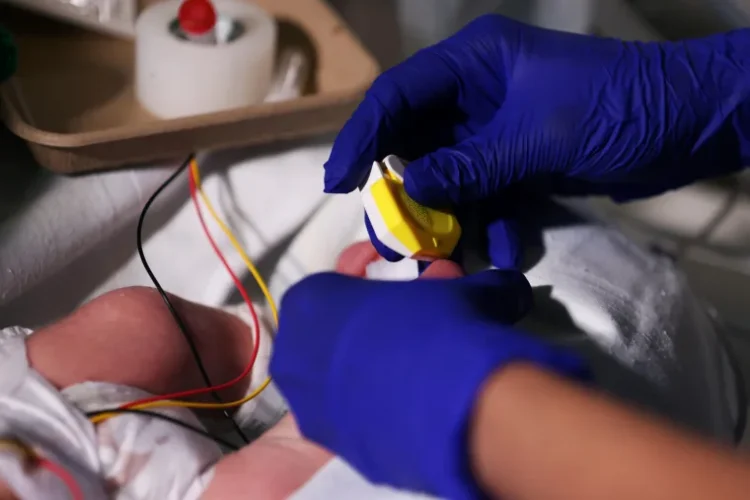
Babies born across England will soon be screened for the rare but life-threatening genetic condition spinal muscular atrophy (SMA), in what ministers have described as a major step forward in giving affected children the best possible chance of a healthy future. The government has confirmed that an England-wide newborn screening programme for SMA will begin rolling out this autumn, with NHS laboratories set to start testing babies from October 2026—three months earlier than originally planned. The expansion forms part of a national evaluation programme that is expected to see hundreds of thousands of newborns screened using the routine heel-prick blood test carried out shortly after birth.
Spinal muscular atrophy is a rare inherited condition that progressively damages motor neurons, leading to muscle weakness and loss of movement. In its most severe forms, babies can lose the ability to sit, crawl and walk, while breathing and swallowing may also become increasingly difficult. However, early diagnosis before symptoms develop allows babies to receive treatment sooner, dramatically improving long-term outcomes and, in many cases, enabling them to live full and healthy lives.

AD: Capeesh Restaurant
Health Secretary James Murray said no parent should have to watch their child lose the ability to move or breathe when earlier treatment could have changed the outcome. He said expanding newborn screening would give babies across England the best possible chance of a healthy life while helping to reduce health inequalities. Murray also praised campaigners who had spent years raising awareness of the condition, saying the government was accelerating the rollout to ensure children receive treatment at the earliest possible opportunity.
The Department of Health and Social Care said it would seek investment to fund the nationwide rollout. While Scotland has already established a similar screening programme with private-sector support, England will work collaboratively with partners to deliver the programme ahead of schedule.
The initiative builds on a £4.1 million evaluation funded through the National Institute for Health and Care Research (NIHR), led by scientists at the University of Oxford. Researchers will assess the feasibility and effectiveness of adding SMA to the standard newborn heel-prick screening programme, with the findings helping to inform future recommendations from the UK National Screening Committee.

AD: Oysterian Sea Food Restaurant And Bar
The announcement has been welcomed by campaigners and charities who have long argued that newborn screening is essential because every day without treatment can result in irreversible damage.Campaigner Jesy Nelson, who has spent years advocating for newborn screening, described the announcement as “a day of hope”. She said it marked a significant milestone after years of campaigning and would ensure future families have access to early diagnosis and the best possible outcomes. While acknowledging it could not change the experiences of families already affected by SMA, she said it represented the beginning of a brighter future for those diagnosed in years to come.
Giles Lomax, Chief Executive Officer of the SMA charity, said the decision was a hugely important step forward following years of campaigning by families, clinicians and partner organisations. He said thousands of babies would benefit from earlier diagnosis and life-changing treatment once screening begins later this year, adding that confirmation that the remaining six newborn screening laboratories would begin testing from October 2027 demonstrated a clear commitment to making the programme available across England.
“No family should face a postcode lottery when it comes to a condition where every day without treatment can lead to irreversible loss of motor neurons,” he said, thanking families, researchers and campaigners who had helped secure the rollout.
Professor Lucy Chappell, Chief Executive of the NIHR and Chief Scientific Adviser at the Department of Health and Social Care, said SMA was a devastating condition and that the evaluation would provide the vital evidence needed to translate early detection into rapid, life-saving treatment. She said testing the programme in a real-world NHS setting would help ensure babies receive the best possible start in life.
Michelle Kane, Director of Screening and Vaccination at NHS England, said identifying SMA before symptoms appear means babies can begin specialist treatment when it is most effective. Expanding the evaluation across England, she said, would ensure all babies have access to the potentially life-changing test while building the evidence needed to inform future national screening recommendations.
Andy Fletcher, Chief Executive of Muscular Dystrophy UK, described the decision as a landmark moment for the SMA community after years of sustained campaigning. He said newborn screening should never depend on where a family lives and welcomed the government’s commitment to ensuring every newborn in England will have access to SMA screening as laboratories complete implementation across 2027.
The phased rollout is expected to continue throughout 2027 until every newborn screening laboratory in England is offering the test, bringing the country closer to nationwide access to one of the most significant advances in early detection for rare genetic diseases.

AD: Heritage And Restaurant Lounge Bar