
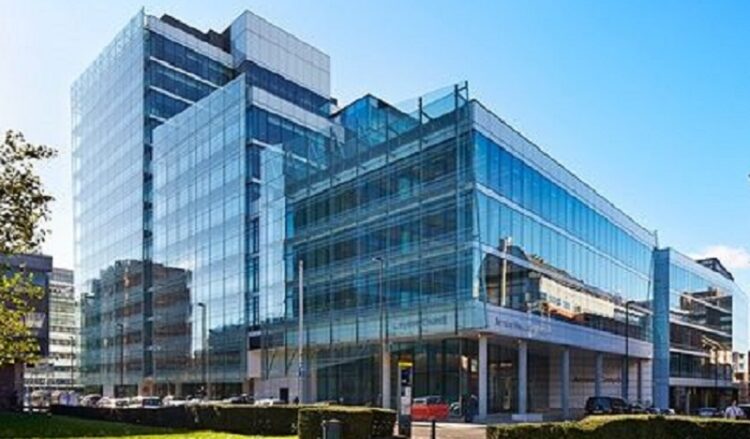
Council must examine its own conduct after eight-year dispute and £146,000 legal bill
By Gabriel Princewill-
Croydon Council should commission an independent investigation into the handling of a whistleblower whose employment dispute has continued for eight years and has resulted in more than £146,000 being spent on external legal fees.
The case of Daniel Cox has raised serious questions about the council’s management of agency workers, its relationship with recruitment company Adecco and the way concerns about public spending were dealt with after they were raised in 2018. Those questions should not be left solely to an employment tribunal.

AD: Capeesh Restaurant
The tribunal will determine the legal claims before it, but it cannot provide the wider public-interest examination that is now required. That examination should consider how the council responded to the original concerns, whether its procedures were followed, why the dispute has continued for so long and whether meaningful lessons were learned during the intervening years.
That responsibility belongs to Croydon Council. The council’s own whistleblowing policy states that serious concerns about possible wrongdoing should be capable of being raised without fear of victimisation, discrimination or disadvantage.
The policy places overall responsibility for whistleblowing with the chief executive and gives the Monitoring Officer responsibility for maintaining a central register of disclosures and identifying emerging patterns. After eight years, those safeguards now need to be tested properly and independently.

AD: Oysterian Sea Food Restaurant And Bar
The investigation should start with the money
The first task should be to establish the full cost to the council and, ultimately, to local taxpayers.Inside Croydon has reported that Croydon has spent £146,233.08, including VAT, on external solicitors and barristers in connection with the Cox case since 2018. That figure does not include the cost of council officers and in-house lawyers who have also worked on the matter.
For a council that has experienced a serious financial crisis and remains under government intervention, that level of expenditure deserves detailed and transparent scrutiny. An independent investigation should establish who authorised the expenditure, whether the council periodically reviewed the cost of continuing the dispute and whether alternative approaches were considered at different stages.
It should also establish exactly what investigation took place when Cox first raised his concerns, who conducted that investigation and what conclusions were reached. Residents should not have to piece together the answers from eight years of litigation, council reports and freedom-of-information requests. The council should provide a coherent account of what happened and explain how decisions were made.
The Adecco relationship requires scrutiny
The wider issue is the council’s relationship with Adecco and the arrangements governing the use of agency workers. Cox raised concerns after discovering an apparent difference between the amount being paid to him and the amount being charged to the council for his services. He was subsequently removed from his assignment.
Croydon Council disputes Cox’s claims, and the legal proceedings remain ongoing. Those claims should therefore be treated as allegations unless and until they are established through the appropriate legal or investigative process.
That does not prevent the council from examining its own procurement and contract-management arrangements. Indeed, the existence of an unresolved dispute makes a proper examination of those arrangements more important, not less. The council should establish whether the arrangements involving agency workers were properly authorised, whether invoices were independently checked and whether those responsible for approving expenditure had adequate oversight of the contracts involved.
The investigation should also establish whether the concerns raised by Cox were treated as a genuine whistleblowing disclosure and whether he received the protections provided by the council’s own policy. These are matters of governance and public administration that should not depend entirely on the outcome of an employment tribunal.
There is already a council body with responsibility for examining governance and internal controls: the Audit and Governance Committee. The committee considered an update on the council’s whistleblowing arrangements at its September 2026 meeting. The report covered whistleblowing referrals received between October 2025 and July 2026 and considered issues arising from those referrals.
The Cox case should now receive proper scrutiny within that established governance framework.The committee should require a detailed report setting out the council’s handling of the case, the legal costs incurred, the internal investigations undertaken and any changes made to whistleblowing, procurement and agency-worker procedures since the original concerns were raised.
Where individual information cannot legally be disclosed, the committee can consider the relevant material privately. That should not prevent the council from publishing the overall findings, conclusions and recommendations, subject to appropriate legal safeguards.
There is a clear public interest in demonstrating that the council has examined the matter thoroughly and has acted on any weaknesses that may have been identified. There is a separate question of political accountability. Jason Perry became Mayor of Croydon in 2022, four years after Cox raised his concerns. It would be wrong to attribute decisions made in 2018 personally to the current Mayor without evidence establishing his involvement.
However, Perry’s administration has been responsible for the council during the later stages of the dispute and for the council’s response to governance issues that have emerged during that period.The Mayor should therefore provide a clear account of what his administration has done to examine the concerns raised by Cox and whether any weaknesses identified in the council’s management of agency workers, procurement and public spending have been corrected.
This is not a demand for a predetermined finding against the Mayor. It is a demand for political accountability and transparency about the actions taken by the administration while the dispute has continued. If an independent investigation identifies failures by current senior officers, those officers should face the appropriate disciplinary, professional or regulatory process.
In the event it identifies failures of political leadership, the elected leadership should accept responsibility for those failures and explain what action will be taken.
However, If the investigation finds that the council acted properly, that conclusion should also be published, together with the evidence and reasoning on which it is based. An independent process must be capable of reaching whichever conclusion the evidence supports.
Croydon must make whistleblower protection meaningful
The council’s whistleblowing policy is intended to give employees and others working with the authority a safe route for raising serious concerns.
That protection is particularly important when concerns involve public money, procurement, contractual arrangements or the conduct of senior staff. People who raise concerns about potential wrongdoing must have confidence that their concerns will be assessed fairly and that they will not suffer adverse treatment simply because they have spoken up.
The Cox case ought to prompt a complete review of how whistleblowing works in practice across the council. The council is expected toestablish whether employees and agency workers know how to raise concerns, whether disclosures are assessed independently and whether people who raise concerns are adequately protected afterwards.
It should also examine what happens after an investigation has been completed, including how findings are recorded, who is responsible for implementing recommendations and whether the council checks that corrective action has actually taken place.
A whistleblowing system is not effective simply because a disclosure has been logged or an investigation has been opened. The council must be able to demonstrate that serious concerns are investigated properly, that findings are acted upon and that those who raise concerns are not left carrying the consequences of doing so. That is particularly important in a council where financial controls and public confidence have already been under intense scrutiny.
Senior officers must be prepared to answer for the system
The council’s whistleblowing policy places responsibility for the system at senior level.That means accountability cannot end with the employee who handled a particular complaint or disclosure. Senior officers responsible for the council’s governance arrangements must also be able to demonstrate that the system operated properly.
The chief executive and Monitoring Officer should be able to explain how the council’s whistleblowing arrangements operated in this case and whether the procedures set out in the council’s policy were followed. If the independent investigation finds that the system failed, responsibility should be attributed to the people who had responsibility for preventing that failure and ensuring that appropriate safeguards were in place.
Depending on the findings and the seriousness of any failures identified, that could include disciplinary action, changes to senior responsibilities or, where the evidence warrants it, resignation. The same principle should apply to political leadership.
Nobody should be removed from office simply because allegations have been made against the council. Equally, senior figures should not be protected from consequences if an independent investigation establishes that they failed to fulfil their responsibilities. Accountability must follow evidence rather than political convenience.
The employment tribunal should be allowed to determine the legal dispute without political interference. However, Croydon Council should not use the existence of the tribunal as a reason to postpone examining its own conduct. The council has a separate responsibility to examine whether its governance systems, procurement arrangements and whistleblowing procedures operated as they were intended to operate.
The two processes serve different purposes. The tribunal will determine the legal claims before it. An independent council investigation would establish whether Croydon’s own governance, procurement and whistleblowing arrangements worked as they should have done and whether any institutional failures contributed to the prolonged dispute.
That investigation should begin now. Croydon should publish clear terms of reference, appoint an investigator with no previous involvement in the case and report the findings to the Audit and Governance Committee.
The council should then publish the conclusions, subject only to legitimate legal restrictions, together with the full cost of the dispute and a clear statement of what action will follow from the findings.
After eight years, residents are entitled to more than another round of legal arguments. They are entitled to a clear account of whether their council protected a person who raised concerns about public money, whether its own procedures worked effectively and whether the people responsible for those procedures carried out their responsibilities properly.
In the event it emerges that they did carry out their responsibilities effectively, the council should demonstrate that through the evidence and findings of an independent investigation. Should it emerge that they did not carry out their responsibilities effectively, those responsible should be held properly to account through the appropriate processes.
That is the appropriate next step from the whistleblower case. It is also the minimum standard that Croydon residents should expect from an authority entrusted with millions of pounds of public money.
Croydon council was contacted for comment and promised to get back to us

AD: Heritage And Restaurant Lounge Bar