
By Isabelle Wilson-
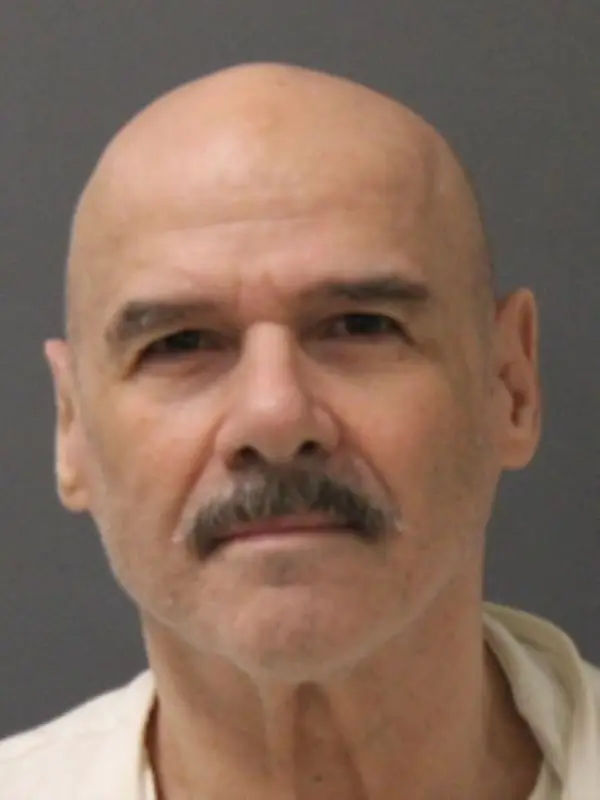
A death row inmate screamed in agony and repeatedly pleaded for the pain to stop as prison officials struggled for more than an hour to find a suitable vein during a deeply troubling lethal injection execution in the United States. Reinaldo Dennes, (pictured)who was convicted of murdering diamond dealer Janos Szucs, was heard shouting that he was in pain as execution staff attempted to administer a fatal dose of pentobarbital. The drug was injected after repeated difficulties locating suitable veins, with officials eventually inserting needles into his left foot and the left side of his neck.
Dennes, whose execution was carried out in Texas, initially delivered a brief final statement, telling his loved ones that he felt blessed to have experienced the love of God throughout the past 30 years. He then turned to the prison warden and said: “Go, warden!” But what followed was a prolonged and distressing sequence of cries and pleas, raising fresh questions about the administration of lethal injections and the ability of execution teams to ensure that the process takes place without unnecessary suffering. Almost immediately after the procedure began, Dennes reportedly shouted: “The pain! Go! Go!” He used an expletive before repeatedly appealing to God to take away his suffering.

AD: Capeesh Restaurant
“Let me go, father,” he pleaded, repeating the words as the execution continued. “Let me go. … I’m here. I’ve been your son all these years.”
He subsequently complained that his right leg was causing him severe pain, describing the sensation as a cramp. His distress appeared to continue as he questioned whether what he was experiencing was normal. “I don’t think this is normal. Take me, father. Don’t let me suffer like this. C’mon,” he said.

AD: Oysterian Sea Food Restaurant And Bar
Witnesses also reported hearing a series of loud groans before Dennes began making snoring sounds, which gradually became quieter. His breathing subsequently became increasingly faint until he was finally pronounced dead at 7.07pm, more than an hour after being strapped to the execution gurney. The prolonged procedure has attracted particular attention because of the difficulties acknowledged by prison authorities in establishing intravenous access. Prison spokesperson Amanda Hernandez confirmed that execution staff had made an undisclosed number of unsuccessful attempts to locate a suitable vein before eventually administering the injections through Dennes’ left foot and the left side of his neck.
However, Hernandez defended the procedure, maintaining that prison officials had followed the required protocols. She also suggested that Dennes might have exaggerated his complaints, pointing out that his expressions of pain began before the execution drugs had entered his system. She said difficulties inserting intravenous lines in alternative locations were not unprecedented and that complaints of pain immediately after insertion had occurred during previous executions.
Nevertheless, her explanation has done little to remove the questions surrounding what happened inside the death chamber, particularly given the recent controversy involving another execution in Tennessee. Pike survived her scheduled execution in September after two doses of pentobarbital reportedly failed to enter her bloodstream. Instead, the medication allegedly leaked into the surrounding tissue in her arms, leaving them burned and severely blistered. Her lawyers have attributed the failed execution to faulty intravenous lines and have raised concerns about the procedures used by execution officials. Following the incident, Tennessee suspended executions until the end of the year while scrutiny of its lethal injection arrangements continues.
Pike was subsequently returned to the Debra K Johnson Rehabilitation Center, where she remains under medical supervision. She is also preparing for a further legal battle concerning her prison conditions, including demands for replacement clothing after she had given away her belongings in anticipation of her execution. The circumstances surrounding Dennes’ death have therefore intensified an already contentious debate over whether lethal injection can reliably deliver the relatively controlled and humane death that its defenders claim.
Dennes’s victim was shot multiple times in his Houston office in January 1996. His execution made him the second person put to death in the United States that day, following Florida’s execution of its 20th prisoner of the year, a record for the state. The latest incident has placed renewed attention on the practical challenges of administering lethal injections, including the availability of suitable veins, the experience of execution personnel and the monitoring of prisoners during the procedure. Although Texas prison authorities insist that established procedures were followed, the acknowledged difficulties in finding suitable veins and Dennes’ repeated expressions of pain raise serious questions about the execution process.
Incidents like this reinforce longstanding concerns about the risks of botched executions and the possibility of prisoners experiencing significant suffering before death. Supporters of the death penalty, meanwhile, continue to defend capital punishment as a lawful punishment for the most serious crimes. But the events surrounding Dennes’ final hour have once again brought the human consequences of lethal injection into sharp focus. With another execution controversy already prompting a suspension in Tennessee, attention is likely to remain on whether American prison authorities can guarantee that the procedures they use are safe, consistent and carried out without avoidable suffering.

AD: Heritage And Restaurant Lounge Bar