
By Lucy Caulkett-
Millions of expectant mothers already know that staying active during pregnancy can support physical and emotional well‑being. But emerging evidence is raising a more powerful possibility: strength training and structured exercise may dramatically reduce the risk of serious pregnancy complications, including high blood pressure and gestational diabetes.
With scientific studies suggesting that regular physical activity could cut the risk of hypertensive disorders by up to nearly 60% and significantly lower the chances of developing gestational diabetes, health experts are asking whether strength training deserves a central place in prenatal care.

AD: Capeesh Restaurant
Pregnancy‑related high blood pressure and its most dangerous form, preeclampsia, have long been among the leading medical concerns for obstetric care. These conditions can threaten maternal, fetal and neonatal health if they are not prevented or managed effectively.
However, a large body of research shows that physical activity during pregnancy including both aerobic and strength‑based exercises can provide substantial protection.
A 2018 systematic review and meta‑analysis of randomised controlled trials involving more than 5,000 pregnant women found that exercise interventions significantly lowered the odds of developing gestational hypertension and preeclampsia compared with control groups who did not exercise.

AD: Oysterian Sea Food Restaurant And Bar
Specifically, pregnant women who participated in regular moderate‑intensity exercise which could include strength training had about a 39% reduction in the odds of developing gestational hypertension and a 41% reduction in preeclampsia.
The analysis included training lasting 10 to 90 minutes per session, from one to seven days a week, and incorporated strength, aerobic and flexibility components.
Another meta‑analysis of aerobic exercise interventions which, although focused on cardio also reflects protective effects of consistent physical activity reported significantly lower incidence rates of gestational diabetes mellitus (GDM) and gestational hypertensive disorders among women assigned to structured exercise programmes.
Compared with sedentary controls, those who engaged in moderate‑intensity exercise had markedly reduced odds of developing both conditions.
The role of physical activity in preventing gestational diabetes has been particularly well documented. A systematic review and network meta‑analysis published in 2025 found that exercise performed during pregnancy was associated with a significantly lower risk of GDM (about a 44% reduction overall in some subgroup comparisons), with certain types of exercise such as aerobic activity showing especially strong associations with lower diabetes risk.
These statistically significant findings build on decades of research showing exercise’s beneficial effects on insulin sensitivity and metabolic regulation mechanisms that are critical to preventing gestational diabetes in pregnant women.
Physical activity increases glucose uptake by skeletal muscle, improves cardiovascular function and supports the healthy functioning of placental and maternal tissues.
While the majority of these large systematic reviews and meta‑analyses focus on exercise broadly rather than studying strength training alone experts say the biological mechanisms underpinning these benefits are shared across different activity types. Strength training, in particular, builds muscle mass that improves insulin responsiveness, and functional resistance exercises can also support vascular health and blood pressure regulation.
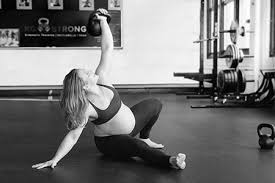
Strength training is not just about lifting weights it encompasses resistance‑based exercises that challenge muscle groups safely and progressively. These programs for pregnant women can be specifically customised according to trimester, fitness level, and medical background.
Fitness experts often highlight that the aim of prenatal strength training should be to preserve strength and functional ability, instead of focusing on increasing muscle mass or setting personal bests
Strength training interventions including exercises targeting core, lower back, pelvic floor and major muscle groups were associated not only with improved physical strength, flexibility and energy levels, but also with reduced pregnancy‑related discomfort and excessive weight gain when compared to non‑training controls. Importantly, no significant adverse effects were reported, reinforcing the safety of tailored resistance exercise in healthy pregnancies.
While large meta‑analyses of strength training specifically are less common than those focusing on aerobic exercise or combined regimens, research suggests that the protective effects against gestational complications likely arise from the same physiological improvements associated with structured physical activity.
Increased muscle mass helps regulate glucose metabolism, reducing the risk of gestational diabetes, while resistance training combined with aerobic activity supports cardiovascular function a key factor in lowering the risk of hypertensive disorders.
Clinical guidelines from bodies like the American College of Obstetricians and Gynecologists (ACOG) recommend that, in the absence of medical contraindications, pregnant individuals should strive for at least 150 minutes of moderate‑intensity physical activity each week a target that can be met through a mix of aerobic and strength‑based training.
Engaging in this level of exercise is generally safe and beneficial for most healthy pregnancies, and doing so earlier and more consistently appears to maximise protective effects.
Despite these benefits, research consistently shows that only a minority of pregnant women meet recommended activity levels. Barriers can include lack of clear guidance from healthcare providers, fear of harming the baby, and misunderstanding about what kinds of exercise are safe.
This gap highlights a critical opportunity for public health messaging: empowering women with evidence‑based, pregnancy‑specific exercise guidance could help translate scientific benefits into real‑world outcomes.
Public health advocates also stress that exercise offers benefits far beyond reducing the risk of specific complications. Pregnant people who stay active often report better sleep quality, lower rates of anxiety and depression, less musculoskeletal pain, improved functional mobility and a smoother postpartum recovery. These holistic gains contribute to both immediate and long‑term maternal well‑being.
However, experts caution that exercise programmes should always be adapted to individual circumstances. High‑intensity or heavy‑load strength workouts that might be suitable for experienced athletes may not be appropriate for all pregnant women, especially those new to structured training or with pre‑existing medical conditions.
Consulting obstetric care providers and qualified prenatal fitness professionals ensures that exercise routines are safe, tailored and effective.
The real question, researchers say, is not whether pregnant women should exercise that conversation has already been won in clinical guidance but how exercise, including strength training, can be systematically integrated into prenatal care strategies to yield the best outcomes for maternal and fetal health.
In policy terms, this understanding has significant implications. Healthcare systems that prioritise exercise counselling and structured physical activity programmes in prenatal care could see downstream reductions in costly and dangerous complications like preeclampsia and gestational diabetes. These reductions would benefit individuals and families directly, while also easing burdens on maternity care services.
Across the scientific community, the evidence paints a clear message: Exercise during pregnancy particularly when it includes consistent strength and resistance work is not only safe for most women but also powerfully protective against serious health risks.
With the prevalence of gestational diabetes and hypertensive disorders, it is expected that this insight will reshape how clinicians, policymakers and expectant parents approach prenatal health.

AD: Heritage And Restaurant Lounge Bar