
By Tony O’ Reilly
Canadian health officials have confirmed the country’s first positive hantavirus case linked to an international outbreak aboard an Antarctic cruise ship, prompting heightened monitoring efforts and renewed public attention on the rare but potentially deadly disease.
The Public Health Agency of Canada (PHAC) said Sunday that laboratory testing conducted at the National Microbiology Laboratory in Winnipeg confirmed one positive case of the Andes strain of hantavirus in a Yukon resident who had recently returned from the MV Hondius expedition cruise ship.

AD: Capeesh Restaurant
The vessel became the focus of an international health investigation after multiple passengers developed symptoms during and after the voyage.
The infected individual is among four Canadians who had been isolating in British Columbia after exposure to the virus while aboard the cruise. Health officials said the patient developed mild symptoms, including fever and headache, before being transferred to a hospital in Victoria for testing and treatment. A travel companion tested negative but remains under observation.
The confirmation marks a significant moment for Canadian public health authorities because the Andes strain of hantavirus is considered one of the few known variants capable of limited person-to-person transmission. Although officials continue to stress that the overall public risk remains low, the case has intensified monitoring efforts across several provinces.

AD: Oysterian Sea Food Restaurant And Bar
The outbreak connected to the MV Hondius has already resulted in several infections and deaths internationally. According to reports from the World Health Organization and multiple health agencies, at least three passengers linked to the cruise have died, including a Dutch couple and a German traveler believed to have contracted the virus during excursions in South America.
Canadian officials said nine people identified as high-risk contacts are currently isolating in British Columbia, Alberta and Ontario. Another group of passengers and airline travellers who may have had lower-risk exposure are also being monitored for symptoms.
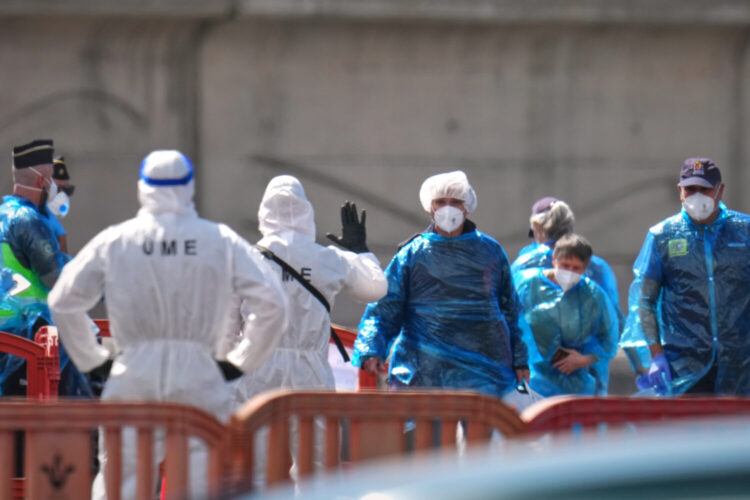
Dr. Joss Reimer, Canada’s chief public health officer, said federal and provincial authorities have implemented extensive precautionary measures following the confirmed hantavirus exposure event. Reimer stated that public health agencies across Canada are conducting contact tracing, monitoring exposed individuals and coordinating with local health officials under adapted World Health Organization guidance to quickly identify any additional infections while maintaining strict containment protocols.
The Andes virus belongs to a family of hantaviruses typically spread through contact with infected rodent urine, saliva or droppings. Most forms of hantavirus do not spread between humans, but the Andes strain first identified in South America has shown rare instances of person-to-person transmission through close contact.
Health experts say that distinction explains why authorities have reacted aggressively despite the small number of confirmed Canadian cases.
The Public Health Agency of Canada stated that the patient remains in stable condition and that no further infections have been confirmed in the country as of Sunday evening. Officials also noted that strict infection-control protocols were implemented during the transfer and hospitalization process to reduce the risk of additional exposure.
International Health Authorities Monitor Spread
The cruise ship outbreak has drawn attention from public health agencies worldwide because of the unusual nature of the infections and the international travel routes involved. Passengers aboard the MV Hondius reportedly traveled through several countries after disembarking, prompting coordinated monitoring efforts involving Canadian, American and European health authorities.
The World Health Organization identified the strain associated with the outbreak as the Andes variant earlier this week and said genomic sequencing conducted in France showed no evidence that the virus had mutated into a more transmissible form.
The outbreak has triggered extensive quarantine and isolation measures. In the United States, several passengers returning from the cruise were transferred to specialized medical isolation units in Nebraska and Georgia after possible exposure. U.S. officials have also emphasized that the risk to the broader population remains very low.
Health experts say hantavirus infections remain extremely rare in North America, but cases can become severe if symptoms progress into hantavirus pulmonary syndrome, a potentially fatal respiratory illness. Early symptoms often resemble influenza and may include fever, fatigue, muscle aches and headaches before escalating into breathing difficulties in more serious cases.
According to the U.S. Centers for Disease Control and Prevention, mortality rates associated with severe hantavirus pulmonary syndrome can be high, making early detection and supportive medical care critical.
Canadian officials stressed that the confirmed patient’s symptoms were relatively mild at the time of diagnosis. However, the incubation period for hantavirus can last several weeks, meaning authorities must continue monitoring exposed individuals for an extended period.
The case has also revived memories of the global public health response mechanisms developed during the COVID-19 pandemic. Although experts repeatedly caution that hantavirus poses nowhere near the same level of transmission risk, the international coordination now underway reflects lessons learned from previous outbreaks involving emerging infectious diseases.
Dr. Bonnie Henry, British Columbia’s provincial health officer, said the current situation does not represent a pandemic threat and urged the public to remain calm while following official updates. She noted that the Andes strain spreads far less efficiently than respiratory viruses such as COVID-19 and generally requires close, prolonged contact between infected individuals.
Researchers continue studying how the virus spread aboard the cruise ship and whether transmission occurred primarily through environmental exposure or direct human contact. Some investigators believe the original infections may have occurred during excursions in remote areas of South America where rodents carrying the virus are more common.
The MV Hondius outbreak has nevertheless highlighted the challenges of managing infectious disease risks aboard international cruise voyages, where passengers from multiple countries travel in close quarters before dispersing globally.
Canadian health authorities said they remain in close communication with the World Health Organization and other international agencies as investigations continue. Public health officials are also advising healthcare providers nationwide to remain alert for possible symptoms among travellers who may have been exposed.
Officials maintain that widespread public concern is unwarranted. Unlike highly contagious respiratory viruses, hantavirus outbreaks are typically limited and easier to contain through isolation, contact tracing and targeted public health interventions.
The confirmation of Canada’s first positive case has placed the country’s public health system under renewed scrutiny as authorities work to reassure the public while preventing any further spread of the rare virus.

AD: Heritage And Restaurant Lounge Bar