
By Ben Kerrigan-
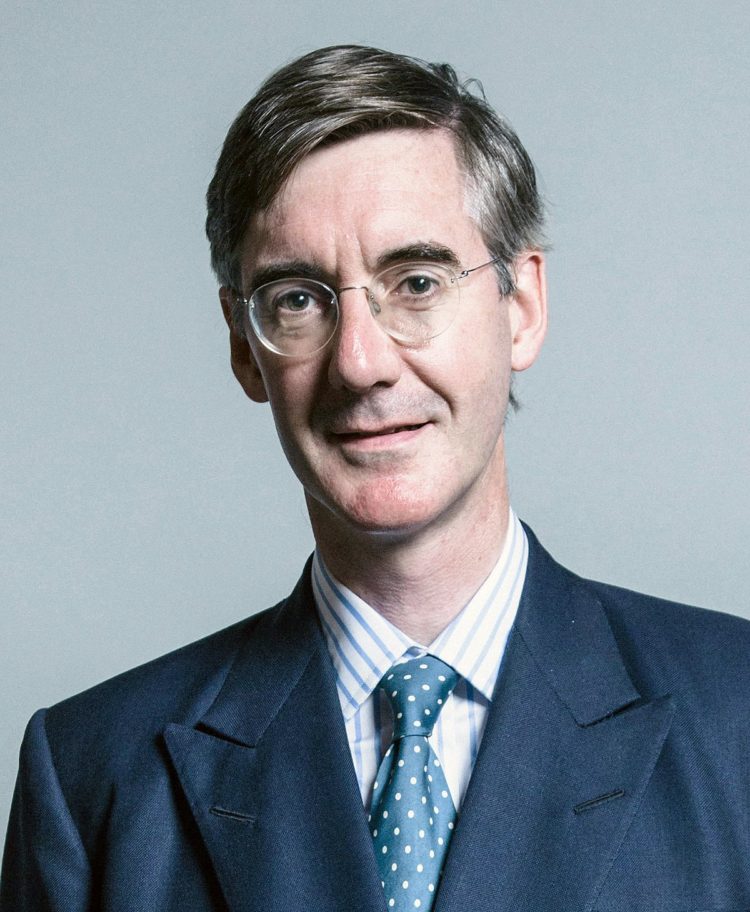
Former Cabinet minister Sir Jacob Rees-Mogg has launched a fierce criticism of Britain’s police oversight system, claiming that the Independent Office for Police Conduct (IOPC) is part of a wider institutional culture that has contributed to prejudice within public bodies.
His comments come amid mounting controversy surrounding the investigation into the death of Henry Nowak, a case that has reignited debate over policing, diversity policies and public confidence in law enforcement.

AD: Capeesh Restaurant
Officers were told by the killer and family members that Nowak had carried out a racially aggravated assault. When police arrived, they initially acted on that account due to the recently instituted anti race commitment
The judge noted that officers remained unaware of his serious chest wound until later. Critics, including policing experts, have questioned why a more thorough check was not carried out when he repeatedly said he had been stabbed
Speaking on GB News, Sir Jacob argued that concerns about what he described as “two-tier policing” and unequal treatment under the law were not isolated incidents but symptoms of deeper cultural problems within policing institutions.

AD: Oysterian Sea Food Restaurant And Bar
His intervention has placed renewed focus on the relationship between police training, diversity initiatives and operational decision-making at a time when scrutiny of British policing remains intense.
The Henry Nowak case has become a focal point in broader political arguments about fairness, accountability and the role of diversity, equality and inclusion programmes within public services. While official investigations remain ongoing, the circumstances surrounding the incident have generated strong reactions across the political spectrum, with campaigners, politicians and members of the public demanding answers about the actions of officers and the conduct of subsequent investigations.
Sir Jacob’s criticism centred in part on reports concerning training programmes within Hampshire Police. He argued that officers had been subjected to educational courses focused on unconscious bias and prejudice, which he claimed had fostered a distorted view of society and race relations.
Referring to survey findings reported in the national press, he alleged that some officers felt pressured by aspects of the training they received and suggested that such programmes had encouraged an excessive focus on accusations of racism.
According to Sir Jacob, this culture had consequences that extended beyond classroom discussions and internal policy debates. He contended that a mindset shaped by diversity training had influenced operational decisions and contributed to what he described as the mishandling of the Henry Nowak incident.
His remarks reflected a growing strand of criticism from some Conservative politicians and commentators who argue that diversity initiatives have become overly ideological and risk undermining impartial decision-making within public institutions.
Perhaps his strongest criticism was directed at the Independent Office for Police Conduct itself. The IOPC, established in 2018 as the successor to the Independent Police Complaints Commission, is responsible for investigating serious complaints and allegations of misconduct involving police officers in England and Wales.
The organisation was created as part of long-running efforts to strengthen independent oversight of policing and improve public confidence in the complaints process. Sir Jacob questioned the scope of the watchdog’s investigation, arguing that it was examining the incident rather than the conduct of individual officers.
He also highlighted uncertainty surrounding the operational status of officers involved in the case, suggesting that different circumstances might have resulted in a more aggressive investigative response. Such claims are likely to prove controversial, particularly while official inquiries remain active and conclusions have yet to be reached.
The former minister further criticised the IOPC’s internal equality, diversity and inclusion policies. Pointing to documents outlining the organisation’s commitments in these areas, he argued that the watchdog had adopted an ideological framework that compromised its impartiality. He specifically referenced recognition received from Stonewall and criticised policies aimed at improving representation and opportunities for underrepresented groups.
Supporters of diversity initiatives strongly dispute such characterisations. They argue that equality and inclusion programmes are intended to ensure fairness, reduce discrimination and improve representation within institutions that historically struggled to reflect the communities they serve. For many advocates, efforts to address structural barriers are not examples of discrimination but attempts to create a more level playing field.
The clash reflects a broader national debate that has evolved over several decades. Questions about police culture, institutional bias and accountability, have occupied a central place in British public life since at least the latter half of the twentieth century. Few events have had a greater impact on this discussion than the inquiry into the murder of Stephen Lawrence.
The 1999 Macpherson Report, published after a lengthy investigation into the Metropolitan Police’s handling of the Lawrence case, concluded that the force was affected by “institutional racism”. The report represented a watershed moment in modern British policing. Its findings prompted extensive reforms, new training programmes and greater emphasis on diversity awareness across police forces nationwide.
Supporters of these reforms argue that they were necessary responses to serious failings that had undermined trust among minority communities. They point to improvements in recruitment, community engagement and awareness of discriminatory practices as evidence that such measures have delivered meaningful benefits.
Critics, however, have always contended that some initiatives evolved beyond their original purpose and became increasingly ideological in nature.
This tension has shaped policing debates ever since. Following the Macpherson Report, successive governments of different political persuasions embraced measures designed to increase accountability and improve representation. At the same time, concerns periodically emerged regarding whether diversity objectives might conflict with operational effectiveness or perceptions of neutrality.
The issue of police culture has repeatedly resurfaced in the wake of major scandals and controversies. Investigations into corruption, misconduct and failures of leadership have often revealed concerns about internal attitudes and institutional behaviour. In recent years, a series of high-profile cases involving serving officers has intensified scrutiny of police organisations and prompted renewed calls for reform.
Against this backdrop, the role of oversight bodies has become increasingly important. Independent watchdogs were established to reassure the public that allegations against police officers would be examined impartially and transparently.
These organisations themselves have occasionally become targets of criticism from both sides of the political debate. Some campaigners argue that watchdogs remain too close to the institutions they oversee, while others contend that they have become excessively politicised.
The current controversy illustrates the difficulty of maintaining public confidence in a highly polarised environment. When incidents involving race, discrimination or police conduct occur, competing narratives often emerge almost immediately. Political figures, advocacy groups and media organisations frequently interpret the same events through vastly different lenses, making consensus difficult to achieve.
The Henry Nowak investigation highlights what they see as an excessive focus on identity politics within public institutions. They argue that principles of equality before the law are being undermined by policies that place disproportionate emphasis on group identity and historical disadvantage.
Opponents reject that analysis and argue that diversity programmes remain necessary because inequalities and discrimination continue to exist. They contend that efforts to recognise and address bias are essential components of modern policing and public administration. From this perspective, criticisms of diversity initiatives risk distracting attention from genuine concerns about fairness and accountability.
The political significance of the debate should not be underestimated. Questions surrounding policing have become increasingly prominent in wider discussions about national identity, free speech, public institutions and social cohesion.
Meanwhile, attention remains focused on the outcome of the official investigation into the Henry Nowak incident. The findings of the IOPC will be closely scrutinised not only for what they reveal about the specific circumstances of the case but also for what they may indicate about broader questions of accountability and trust.
The controversy represents more than a single investigation. It has become a symbol of competing visions for the future of policing in Britain. One side argues for a return to what it sees as strict neutrality and colour-blind enforcement of the law. The other maintains that acknowledging and addressing inequality remains a necessary part of effective modern policing.
Those competing perspectives are unlikely to disappear. Instead, they may become even more pronounced, ensuring that debates over police culture, diversity policies and institutional accountability continue to shape Britain’s political conversation long after the facts of the Henry Nowak case have been established.

AD: Heritage And Restaurant Lounge Bar