
By Lucy Caulkett-
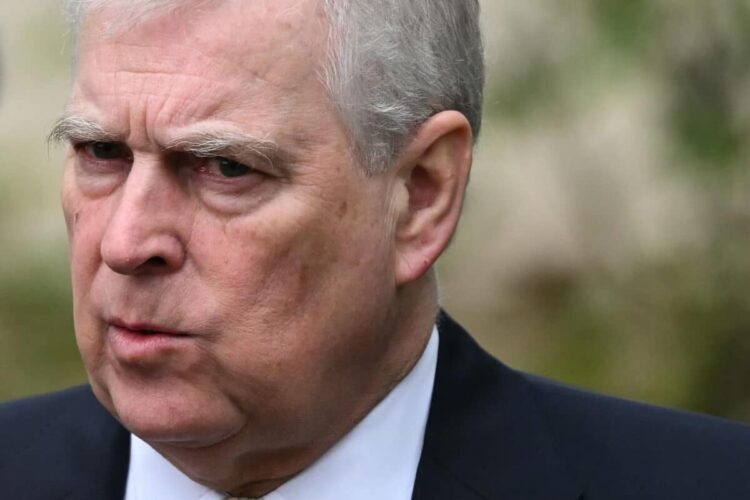
Fresh questions have been raised about royal finances following the publication of a long-awaited report into royal residences, which revealed that Andrew Mountbatten-Windsor(pictured) received rental income from properties on the Royal Lodge estate while the King continues to fund accommodation for Princesses Eugenie and Beatrice in some of London’s most prestigious royal palaces.
The findings emerged from a report by the National Audit Office (NAO), the government’s independent public spending watchdog, marking the first comprehensive examination of royal residences in two decades.

AD: Capeesh Restaurant
The report is the first of its kind into royal residences in 20 years and shows Mountbatten-Windsor and his family and staff had 12 properties, owned by the Crown Estate or the Royal Household. A Buckingham Palace spokesman said the report was “in line with the Royal Household’s commitment to transparency”
The report provides an unprecedented glimpse into the complex arrangements governing properties occupied by members of the Royal Family and is likely to intensify debate about transparency, public funding and the privileges enjoyed by non-working royals.
At the centre of the report is Andrew Mountbatten-Windsor, whose financial and residential arrangements have remained under close public scrutiny in recent years. According to the NAO, Andrew received an undisclosed amount of rental income from sub-letting three cottages located on the Royal Lodge estate in Windsor. The cottages formed part of a wider lease arrangement under which Andrew occupied Royal Lodge, a substantial property owned by the Crown Estate.

AD: Oysterian Sea Food Restaurant And Bar
Although the report makes clear there is no suggestion of wrongdoing or unlawful conduct, the disclosure is likely to reignite questions about how royal properties are managed and whether existing arrangements remain appropriate at a time when many households across Britain face significant financial pressures.
The report reveals that Andrew’s lease agreement allowed him to sub-let three cottages situated on the estate. He reportedly continued to receive rental income from these properties until April 2026. While the watchdog did not disclose the amount generated by the rentals, Palace sources have maintained that the cottages were let primarily to current or former staff and that the income was only sufficient to cover maintenance and operational costs associated with the estate.
Nevertheless, the arrangement has attracted attention because any rental income flowed directly to Andrew rather than to the Crown Estate. Profits generated by the Crown Estate are ultimately returned to the Treasury and contribute to public finances. The revelation therefore raises questions about whether income derived from publicly owned royal property should accrue to individual members of the Royal Family.
Royal Lodge itself has been a focal point of discussion for several years. The report notes that when Andrew originally assumed responsibility for the property, he paid approximately £7.5 million towards repairs and refurbishment work.
As a result of this substantial investment, he was not required to pay monthly rent on the residence. Such arrangements have long been defended on the basis that they transfer responsibility for maintenance away from the public purse while ensuring historic properties remain in good condition.
The NAO’s findings come after Andrew vacated Royal Lodge earlier this year and moved to accommodation on the Sandringham estate in Norfolk. Despite leaving the property, he continues to hold the lease on Royal Lodge until October 2026. The report also confirms that Andrew held a separate lease on another nearby property known as East Lodge, which is expected to be returned to the Crown Estate.
Beyond Andrew’s own housing arrangements, the report has generated additional controversy through revelations concerning his daughters, Princess Eugenie and Princess Beatrice. According to the audit, both princesses continue to occupy residences within royal palaces despite not carrying out official duties as working members of the Royal Family.
Princess Eugenie occupies accommodation within Kensington Palace, while Princess Beatrice has a residence in St James’s Palace. The report states that neither princess pays rent directly for these properties. Instead, rent is paid through the Privy Purse, the monarch’s personal source of income, to the Royal Household.
While the arrangement means the cost is not met directly by taxpayers, the issue remains politically sensitive because both palaces are maintained using public funds through the Sovereign Grant. Critics argue that the distinction between private and public funding may be difficult for many members of the public to reconcile, particularly given ongoing concerns about housing affordability throughout the country.
The report does not disclose the precise amount of rent paid for either residence. However, it notes that the level is intended to reflect approximately 60 per cent of the open market rental rate. Palace officials argue that this rental income effectively offsets any publicly funded expenditure associated with maintaining the properties, meaning taxpayers are not left carrying additional costs.
A Palace source stressed that rents paid on accommodation occupied by non-working royals are designed to cover associated expenses and ensure that public funds are not used to subsidise private residential arrangements. Nonetheless, the disclosures are likely to prove uncomfortable for Buckingham Palace as it seeks to demonstrate accountability and value for money in an era of heightened public scrutiny.
The publication of the report comes against a backdrop of wider debate over the role and financing of the monarchy. The Royal Household has faced increasing calls for transparency in recent years, particularly regarding property holdings, security costs and the management of public resources. Buckingham Palace responded to the report by stating that it was consistent with the Royal Household’s commitment to openness and accountability.
Yet critics argue that the findings highlight persistent inequalities and outdated privileges. Norman Baker, the former Home Office minister and long-standing critic of royal finances, described the housing arrangements as difficult to justify.
He argued that subsidised accommodation for non-working royals was increasingly out of step with public expectations and questioned whether such arrangements could remain sustainable in the future.
The criticism is likely to resonate with many younger Britons struggling with soaring housing costs, rising mortgage rates and limited access to home ownership. Against that backdrop, the existence of palace residences available to non-working members of the Royal Family may reinforce perceptions of privilege and entitlement.
Political interest in the issue is expected to intensify in the coming months. The NAO investigation was commissioned following continuing controversy surrounding Andrew and his public role. The findings are expected to be examined further by MPs on the Public Accounts Committee, which is preparing its own inquiry into aspects of royal property management and financial accountability.
The report paints a picture of an extensive property portfolio connected to Andrew and his immediate family. In total, it identifies 12 properties linked to Andrew, his relatives and associated staff. These include Royal Lodge, East Lodge and several cottages situated within the wider Windsor estate.
The findings also reveal the extent of residential assets available to Princess Eugenie and Princess Beatrice. Beyond their palace accommodation in London, both sisters reportedly maintain homes elsewhere, including properties in the Cotswolds and Portugal.
While those residences are privately owned or leased, their existence is likely to further fuel debate about the necessity of maintaining subsidised royal accommodation for individuals who do not perform official duties.
For Buckingham Palace, the challenge lies not in allegations of misconduct—none have been made—but in managing public perceptions. In an age where transparency and accountability are increasingly demanded from public institutions, even arrangements that are lawful and longstanding can become controversial if they appear disconnected from the experiences of ordinary citizens.
The NAO report therefore represents more than a technical examination of property leases and rental agreements. It touches on broader questions about the future of the monarchy, the distinction between public and private funding, and the expectations that taxpayers have of those who benefit from royal privilege.
As Parliament prepares to scrutinise the findings and public debate continues, the disclosures are likely to place renewed pressure on the Royal Household to demonstrate that its financial arrangements are both transparent and justified. Whether the revelations lead to significant reforms remains uncertain, but the report has undoubtedly reopened a conversation about royal finances that many believed had long been settled.
The audit offers a rare and detailed look inside a world that has traditionally remained shielded from public view. While it finds no evidence of wrongdoing, its findings ensure that questions surrounding royal residences, financial accountability and public expectations will remain firmly in the spotlight for months to come.

AD: Heritage And Restaurant Lounge Bar