
By Ben Kerrigan-
Bereaved parents have sharply criticised Prime Minister Sir Keir Starmer, accusing him of lacking courage after he failed to support a high‑profile bid to ban social media use for under‑16s in the House of Commons.
The deeply personal plea from families who have lost children has thrust the debate over online safety and youth wellbeing back into the national spotlight, raising fresh questions about political leadership, government priorities, and the future of digital regulation in the United Kingdom.

AD: Capeesh Restaurant
The controversy stems from Monday night’s vote on a proposed amendment to the Children’s Wellbeing and Schools Bill that would have introduced a default ban on social media use for children under 16 similar to the world‑first law recently implemented in Australia.
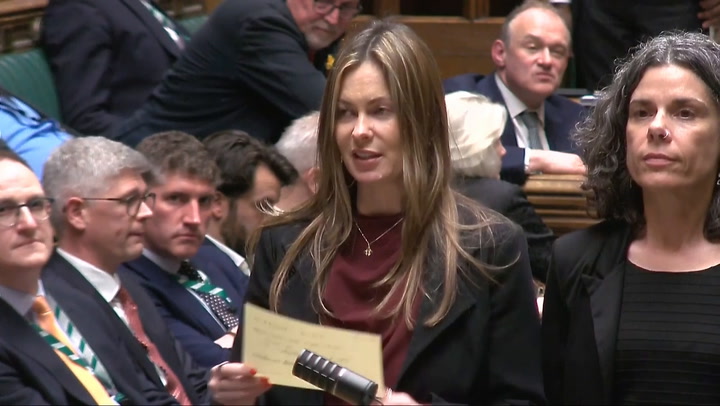
While the House of Lords backed the measure earlier this year, the Commons rejected it by a significant margin, with MPs voting 307 to 173 against the proposal.
In the wake of that defeat, 22 bereaved parents many of whom believe social media played a role in the deaths of their teenagers wrote a heartfelt letter directly to the prime minister. They criticised his absence from the vote and urged him to find the courage to take a clear and decisive stand on protecting children online.

AD: Oysterian Sea Food Restaurant And Bar
“For all your talk of leadership … you remain firmly on the fence when it comes to protecting children and preventing more avoidable deaths online,” they wrote, highlighting the emotional toll that inaction has had on bereaved families.
The letter comes as the government continues to explore other regulatory approaches, including broad powers for ministers to restrict or ban children’s access to online services following an ongoing public consultation. Nevertheless, for the parents involved, the failure to back the Lords amendment and the prime minister’s absence from the vote has been deeply disappointing.
Campaigners for a social media age‑limit argued that platforms designed primarily for adults expose young users to significant harm, including contact with extreme content, cyberbullying, and addictive features.
High‑profile supporters of a ban, including actor Hugh Grant, stressed that parents are in an “impossible position” trying to shield children from online risks without stronger legislative backing.
Under the rejected amendment, children under 16 would have been prevented from creating accounts on major social networks by default.
But despite the backing of the Lords and vocal public support, the government maintained that an outright ban may not be the right course of action. Science Secretary Liz Kendall and others have argued that blanket restrictions could push young people toward “less regulated corners of the internet” or leave them unprepared for life in an increasingly digital world.
Amid this political tug‑of‑war, bereaved families have been outspoken about their frustration. Many contend that continuing delays or half‑measures risk further tragedies a point underscored by campaigning relatives such as Ellen Roome, who lost her 14‑year‑old son after he participated in an online challenge she believes was encouraged by social media algorithms.
She described her reaction to Monday’s vote as “incredibly frustrated,” reflecting broader anger among families who feel their experiences have been sidelined.
The emotional stakes extend beyond statistics and legislative procedures. With parents who believe social media exposure contributed to their children’s deaths, the frustration is deeply personal and enduring. Their letters, speeches and public commentary paint a picture of citizens struggling to balance technological advancements with basic safety for the next generation.
Despite the Commons vote, the issue is far from settled. The government’s consultation process will continue, and there remains a pathway for the proposal to return to Parliament if the House of Lords presses the case again.
In the meantime, families and supporters of the ban plan to maintain pressure on MPs and peers alike, insisting that urgent action is needed to protect young people from what they see as clear and escalating digital harm.
A Wider Debate on Children’s Online Safety
The public conversation about social media and youth wellbeing has intensified in recent months, with political figures, parents and advocacy groups weighing in. Polling has suggested that a majority of British adults favour stronger restrictions on children’s access to social media, and international examples notably Australia’s ban have reignited debate within Westminster.
But government ministers and some children’s safety organisations argue that age‑based bans may not be a silver bullet. Critics warn that simply prohibiting access could inadvertently push youngsters toward unmoderated or less safe corners of the internet, where harmful content may be even harder to oversee.
With the Children’s Wellbeing and Schools Bill progressing through Parliament, and further debate expected in the House of Lords, the question of how best to protect children online remains unresolved. But for the families who penned their emotional letter to Sir Keir Starmer, the current outcome is profoundly dissatisfying a missed opportunity, they argue, to show political leadership on what they consider a defining challenge of their generation.
While the consultation unfolds and MPs prepare for future debates, bereaved parents are urging lawmakers to remember the human faces behind the policy statistics and to take decisive action that aligns with their calls for greater protection, courage, and commitment to safeguarding the nation’s children.
These families have endured the unthinkable losing a child in circumstances that they believe were directly influenced by the unchecked reach and addictive design of social media platforms. Their voices carry not just grief, but a powerful appeal for change, reflecting a lived experience that cannot be fully captured by data or abstract policy discussions.
Each name and story represents a young life cut short, and the emotional weight of these losses drives a sense of urgency that many campaigners argue Parliament cannot ignore.
The plea goes beyond a request for legislative adjustments; it is a call for leadership that confronts the difficult balance between technological innovation and child safety. Social media companies have grown into some of the most influential forces shaping the daily lives of millions, including the youngest members of society, yet regulation has lagged far behind.
Bereaved parents stress that half-measures, delays, or hesitations in the face of mounting evidence of harm risk repeating tragedies that could otherwise be prevented. Their appeals are a reminder that behind every parliamentary debate lie families living with the consequences of online risks.
Moreover, the campaigners highlight that meaningful action requires courage from those in power. It demands political leaders willing to challenge powerful tech interests and make decisions that prioritise human wellbeing over convenience or corporate lobbying.
When sharing their grief, their stories, and their unwavering advocacy, these parents aim to transform personal tragedy into collective protection for all children.
While the consultation continues and legislative discussions advance, the challenge is clear: to convert empathy and awareness into tangible policies that safeguard young people, honour the experiences of bereaved families, and create a digital environment where children can grow, learn, and thrive safely.

AD: Heritage And Restaurant Lounge Bar