
By Charlotte Webster-
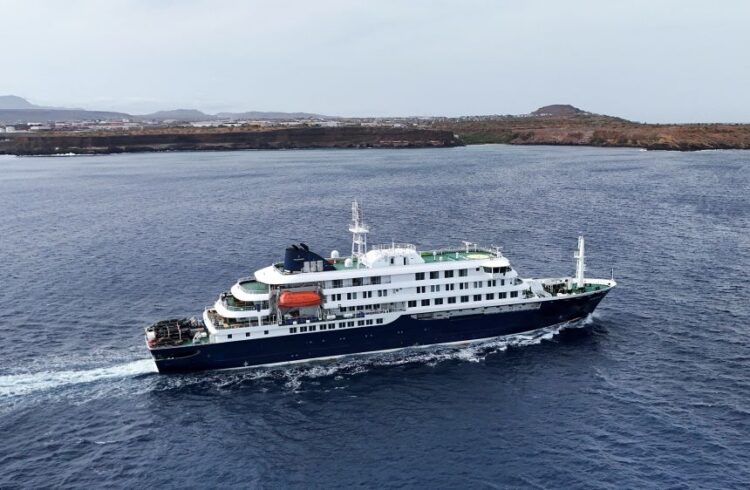
The final chapter of an unusual public health operation closed on Monday in eastern Nebraska, as the last remaining passengers from the cargo vessel MV Northwind Meridian were released from quarantine after weeks of medical monitoring linked to a suspected outbreak of Hantavirus pulmonary syndrome exposure.
The release marks the end of a containment effort that began in early May, when the ship originally scheduled to pass through the Missouri River system on a routine logistics route was diverted and held at a restricted mooring facility near Omaha after a crew member was hospitalised with severe respiratory symptoms consistent with hantavirus infection.

AD: Capeesh Restaurant
Health officials now say that no secondary cases have been confirmed among passengers, crew, or responding personnel, calling the outcome “a rare but successful exercise in rapid isolation, surveillance, and cross-agency coordination.”
“It feels like stepping back into the world after it paused without warning,” said one passenger, speaking briefly to reporters as they were escorted to transportation. “We were healthy, but we weren’t free. That distinction stayed with us every day.”
Officials emphasised that while the risk of transmission from the ship incident was ultimately assessed as low, precautionary measures were taken due to the severity of hantavirus infections and the difficulty of early detection in respiratory cases.

AD: Oysterian Sea Food Restaurant And Bar
According to the U.S. Centers for Disease Control and Prevention, hantavirus pulmonary syndrome is a rare but often severe respiratory disease transmitted primarily through contact with infected rodent droppings, urine, or saliva. Human-to-human transmission is considered extremely rare and is generally not the typical route of infection.
The response effort was coordinated jointly by federal health authorities, including the Centers for Disease Control and Prevention and the U.S. Administration for Strategic Preparedness and Response, alongside Nebraska state officials and medical teams at the University of Nebraska Medical Center, according to reports on the outbreak response and repatriation of passengers .
The operation centred on the National Quarantine Unit in Omaha, a federally designated high-containment facility where exposed passengers from the cruise ship were housed and monitored under strict medical isolation protocols, with continuous observation throughout a 42-day surveillance period. UNMC and federal officials confirmed that the unit operates with controlled access, hospital-grade biocontainment systems, and around-the-clock clinical monitoring designed for high-risk infectious disease exposures .
The MV Northwind Meridian, a mixed freight and personnel vessel operating along inland shipping routes, had been carrying a multinational crew and a small group of civilian logistics specialists when the incident began. According to officials, the initial alarm was raised after a crew member reported fever, fatigue, and acute shortness of breath shortly after the vessel’s stop near the upper Missouri corridor.
Within hours, the ship was ordered to halt operations and dock under isolation procedures. Health officers boarded the vessel in protective equipment, initiating immediate sampling and environmental assessment.
Early test results prompted a cautious escalation: while not all symptoms initially aligned perfectly with hantavirus, the severity of respiratory distress triggered precautionary containment due to the disease’s known potential lethality.
Over the following days, the decision was made to extend monitoring beyond the ship’s crew to include passengers who had shared indoor ventilation systems during the voyage. Although no confirmed transmission was detected beyond the initial patient, authorities opted for a full quarantine period consistent with worst-case exposure protocols.
The quarantine facility itself was assembled within 72 hours at a repurposed logistics terminal outside Omaha. Rooms were adapted into individual isolation units, while communal areas were replaced with staggered outdoor access schedules to maintain physical separation without complete confinement indoors.
Despite the controlled conditions, the psychological strain on passengers became a growing concern. Counsellors and medical staff reported symptoms of anxiety, sleep disruption, and what they described as “anticipatory illness stress” a condition in which individuals experience physical symptoms driven by prolonged health uncertainty rather than infection itself.
Within the third week of quarantine, most individuals had been cleared of any signs of infection, but the decision was made to maintain full isolation until the end of the virus’s maximum incubation window. Officials stated that this approach was based on established infectious disease containment frameworks rather than any new evidence of ongoing risk.
Public health analysts have already begun referring to the Northwind Meridian case as a “floating exposure cluster,” a term used to describe infection risk scenarios that originate in mobile or semi-contained transport systems.
Experts say the case highlights how modern logistics networks can complicate traditional containment strategies. Ships, trains, and long-haul transport vehicles create environments where individuals share air, surfaces, and confined space for extended periods, making them uniquely sensitive to infectious disease protocols.
The absence of confirmed secondary transmission has been noted as a significant reassurance. While hantavirus is not typically associated with person-to-person spread, the caution exercised in this case reflects a broader shift in public health strategy since global respiratory disease outbreaks in recent years, where precautionary over-response has increasingly been seen as preferable to delayed action.
With the passengers released this week, however, the broader policy implications feel distant compared to the immediate relief of regained autonomy. With transport activities restarting along the river corridor, inspections of the MV Northwind Meridian are ongoing, as environmental testing crews concentrate on rodent management, cargo contamination hazards, and ventilation system soundness. Authorities have yet to verify when the ship will resume operations.
Meanwhile, the quarantine facility on the outskirts of Omaha is already being dismantled, its temporary structures set for decontamination and storage. What remains is a record of an unusual intersection between global trade routes and infectious disease preparedness—one that unfolded quietly along a river most Americans would not normally associate with international public health response. Nebraska’s emergency teams are calling the operation complete. The river flows as it did before, carrying barges instead of headlines, while the last of the passengers step back into ordinary time.

AD: Heritage And Restaurant Lounge Bar