
By Kenneth Williams-
The National Hockey League is quietly deepening its interest in expanding into Texas, with Houston and Austin emerging as the most closely studied markets as league executives evaluate the next phase of franchise growth in North America.
According to multiple reports from sports media outlets including ESPN and The Athletic, the NHL has held early-stage discussions and internal evaluations focused on the long-term viability of adding a franchise in one of the United States’ fastest-growing regions.

AD: Capeesh Restaurant
The league has not formally confirmed expansion plans, but Commissioner Gary Bettman has repeatedly indicated in public comments that the NHL continues to monitor “strong, non-traditional hockey markets” for potential growth. Texas, already home to the successful Dallas Stars, has become a focal point due to its population growth, corporate investment base, and increasing youth hockey participation.
The idea of a second or even third Texas franchise is no longer viewed as speculative within league circles. Instead, it is being discussed as part of a broader strategy to strengthen the NHL’s presence in the southern United States, where the sport has grown steadily over the past two decades.
Houston, in particular, is seen as one of the most attractive untapped sports markets in North America. With more than seven million residents in its metropolitan area, it is the largest U.S. city without an NHL team. Sports analysts have long pointed to its existing success in hosting major professional teams across the NBA, NFL, MLB, and MLS as evidence that it could support a hockey franchise if arena infrastructure and ownership alignment are secured.

AD: Oysterian Sea Food Restaurant And Bar
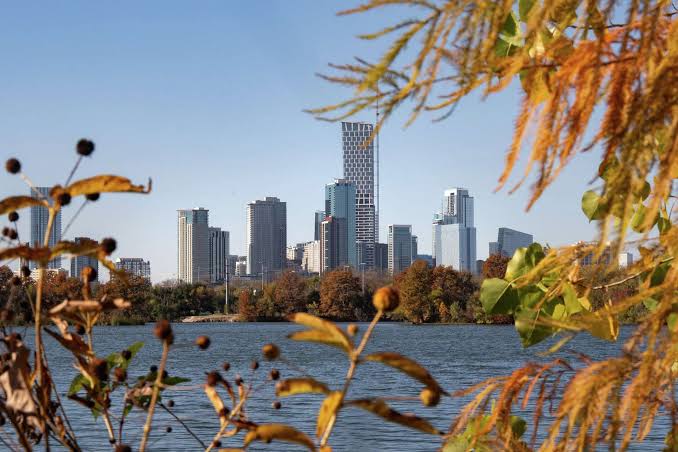
Austin, meanwhile, represents a different kind of opportunity as one of the fastest-growing cities in the United States, with multiple analyses ranking it among the nation’s leading “boomtowns” due to rapid population and economic expansion . The city recently surpassed one million residents, underscoring its transformation into a major urban centre and reinforcing its status as one of the country’s most significant growth markets .
Its demographic profile is notably younger than the national average, with a highly educated workforce that has helped attract major technology and corporate investment . This has supported a rapidly expanding corporate sector, particularly in technology and professional services, with strong GDP growth and business formation contributing to its economic momentum .
While Austin continues to face infrastructure and affordability pressures linked to its rapid expansion, its cultural appeal and sustained economic growth have made it an increasingly attractive candidate in broader discussions around professional sports and long-term market development .
Sources familiar with league thinking, suggest that the NHL is not rushing toward a decision but is instead evaluating long-term market sustainability, including corporate sponsorship potential, television reach, and youth hockey development pipelines. The league’s previous expansions into southern and western markets, including Las Vegas and Seattle, are being studied as potential templates for future moves.
The NHL’s expansion strategy has historically been cautious compared to other major North American sports leagues. Rather than rapid enlargement, the league has focused on ensuring that new franchises are placed in markets with strong ownership groups and long-term financial stability.
That approach has paid off in recent expansions, with the Vegas Golden Knights becoming one of the league’s most successful modern franchises both competitively and commercially. Houston’s case is complicated by arena considerations. While the city is home to the NBA’s Houston Rockets at the Toyota Center, any NHL franchise would likely require scheduling coordination or potential facility upgrades to accommodate hockey-specific requirements.
Nevertheless, the existence of an established downtown arena is seen as a significant advantage compared to other expansion candidates.
Austin presents a different challenge. The city currently lacks a major indoor arena built for NHLscale events, meaning a franchise bid would likely depend on either a new development project or a major retrofit of an existing venue. However, proponents argue that Austin’s rapid growth trajectory and corporate influx could justify long-term investment in such infrastructure.
The NHL’s interest in Texas reflects a broader shift in the geography of professional hockey. Once concentrated heavily in northern U.S. states and Canada, the league has spent the past three decades deliberately expanding into warmer climates as part of a strategy to grow the sport beyond its traditional fan base.
According to reports, the league’s southern expansion, franchises in non-traditional hockey markets such as Texas, Florida, and other Sun Belt regions have played a central role in reshaping the NHL’s footprint and proving that the sport can thrive outside its historic northern strongholds. This shift reflects a broader league effort to tap into fast-growing metropolitan areas, expand youth participation, and build long-term fan bases in regions where hockey was once considered secondary to other major professional sports.
Franchises in markets such as Dallas, Tampa Bay, Nashville, and Las Vegas have demonstrated that hockey can thrive outside its historical heartlands. The success of these teams, both in attendance and television engagement, has encouraged league executives to continue exploring non-traditional markets.
NHL’s long-term strategic focus includes increasing media visibility in major U.S. population centers, particularly in regions experiencing rapid demographic and economic expansion. Texas, with its combination of large metropolitan areas and strong youth sports infrastructure, fits squarely within that vision.
The Dallas Stars’ presence in the state is both an advantage and a factor in league planning. On one hand, the franchise has helped establish a foundation for hockey interest across Texas, including grassroots development programs and regional fan engagement.
On the other hand, some analysts question whether the market can sustainably support multiple NHL franchises without diluting fan bases or corporate sponsorship pools.
Despite these questions, league officials appear to view multi-team markets as increasingly viable, particularly in large states with multiple metropolitan hubs. The presence of multiple NBA and MLB teams in Texas has reinforced the idea that regional sports ecosystems can support more than one franchise per league.
However, any expansion decision remains years away. The league would need to conduct extensive feasibility studies, negotiate ownership agreements, and secure arena commitments before moving forward. Expansion fees, which have risen significantly in recent years, are also expected to play a major role in determining timing and structure.
Houston and Austin remain under active observation rather than formal candidacy. Yet the fact that both cities are being discussed at the highest levels of league planning signals a notable shift in how the NHL views its future growth.
In recent reporting suggests that NHL expansion is no longer viewed simply as the addition of new franchises, but rather as a long-term strategy focused on growing the game in markets where future generations of fans and players are most likely to emerge.
League executives, including Commissioner Gary Bettman, have repeatedly framed expansion as part of a broader effort to strengthen the sport’s future by developing new fan bases, expanding youth participation, and increasing hockey’s footprint in emerging U.S. markets. In that context, Texas has increasingly become difficult to ignore, given its large population centres, established sports culture, and growing role in hockey development pathways that align with the NHL’s long-term growth objectives.
The NHL’s interest marks a pivotal moment in the sport’s continued evolution from a regional North American league into a broader national entertainment product with deep ambitions in America’s fastest-growing markets.

AD: Heritage And Restaurant Lounge Bar