
By Tim Parsons-
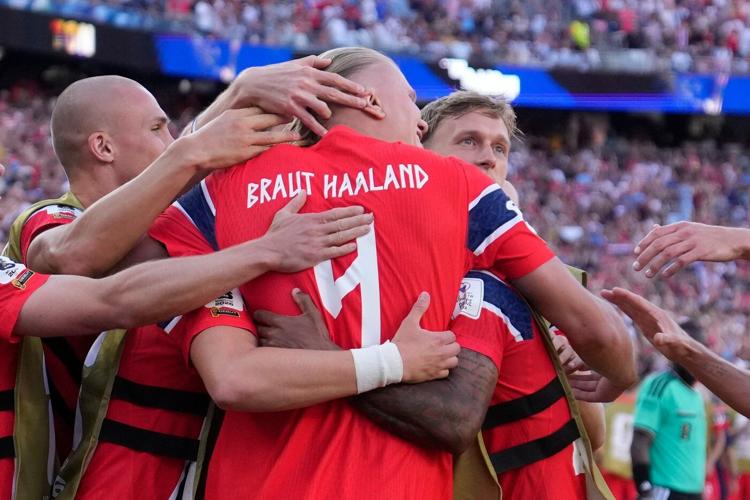
As the FIFA World Cup unfolds across North America, the action on the pitch is being matched by a different spectacle off it: the tournament’s most daring, colourful and controversial jersey designs.
Once viewed primarily as athletic uniforms, World Cup kits have evolved into cultural statements, fashion items and symbols of national identity. This year’s collection has generated admiration, debate and, in some cases, outright criticism.

AD: Capeesh Restaurant
With millions of fans, a World Cup jersey is more than fabric stitched together by global sportswear brands. It represents history, heritage and the values a nation chooses to display on football’s biggest stage. The 2026 tournament, featuring 48 nations for the first time, has amplified that conversation, with designers pushing creative boundaries while navigating commercial pressures, cultural sensitivities and FIFA regulations.
According to reports many of this year’s kits draw deeply from national history and artistic traditions. Cape Verde’s jersey features flight paths connecting the nation’s islands, symbolising unity across the Atlantic archipelago.
Belgium’s design embraces the country’s surrealist art heritage, while Argentina’s kit incorporates elements of “filete porteño,” a decorative artistic style associated with Buenos Aires. France’s jersey pays tribute to the Statue of Liberty and the long-standing relationship between France and the United States. Colombia’s design references the yellow butterflies made famous in the works of Nobel Prize-winning author Gabriel García Márquez.

AD: Oysterian Sea Food Restaurant And Bar
Iran’s kit highlights the endangered Asiatic cheetah, using football’s global platform to raise awareness of conservation efforts. Saudi Arabia’s jersey incorporates traditional architectural motifs and lavender patterns linked to hospitality and generosity.
Mexico has revived its beloved Aztec calendar-inspired design, a nostalgic nod to one of the country’s most iconic football shirts. These visual narratives have transformed jerseys into cultural storytelling devices as much as sporting apparel.
The increasing prominence of jersey culture reflects a broader transformation in football itself. World Cup kits are no longer confined to stadiums or television broadcasts. They have become fashion statements worn in city streets, music festivals and social media campaigns around the world. Fashion observers note that football jerseys have become central to the growing “blokecore” trend, which blends sportswear with contemporary street fashion.
The rise of jersey culture has encouraged manufacturers to experiment with bolder colours, unconventional graphics and artistic collaborations. With this result, World Cup shirts are now judged not only by supporters but also by fashion critics, designers and influencers.
The commercial stakes are enormous. Adidas, Nike and Puma collectively outfit more than three-quarters of the participating nations, making the World Cup one of the largest marketing showcases in global sports. Smaller manufacturers are also seeking attention through distinctive designs that help their teams stand out among the tournament’s expanded field. Industry observers describe the competition among kit suppliers as a parallel tournament unfolding alongside the football itself.
The United States men’s national team provides an example of how seriously brands now treat fan feedback. After criticism of previous tournament kits, Nike worked with players and supporters to create a new “Stripes” design inspired by the American flag. The result has been widely praised as a stronger expression of national identity and a more memorable visual statement.
The influence of fashion trends can also be seen beyond the jerseys themselves. Bright pink football boots have emerged as one of the tournament’s defining visual themes, worn by players from multiple countries. Designers say the colour improves visibility on television broadcasts while aligning with broader fashion trends that identified vivid pink shades as a key colour for 2026.
Yet the pursuit of creativity carries risks. What one supporter views as innovative, another may consider distracting or inappropriate. That tension has become one of the defining features of modern World Cup kit launches. The most significant controversy surrounding this year’s jerseys involves both design choices and technical execution. One of the most discussed examples is Haiti’s kit. According to the Associated Press, the original design included imagery linked to a historic battle in the nation’s struggle for independence.
However, FIFA’s rules regarding political messaging required changes before the jersey could be approved for competition. The episode highlighted the delicate balance between celebrating national history and complying with regulations intended to keep political expression off the field.
Meanwhile, Nike has faced criticism for a manufacturing issue affecting several national team jerseys. Fans and players noticed unusual bulging around the shoulder seams of kits worn by countries including England, France, Uruguay and others. The problem quickly became a talking point on social media, with supporters posting photos and questioning the design process.
Nike acknowledged the issue, stating that while performance was not affected, the appearance of the jerseys did not meet the company’s standards.
Reports indicate that the kits were developed using advanced computational design techniques and elements of artificial intelligence to improve player comfort in the expected summer heat of the tournament. However, the visible shoulder seam flaw has overshadowed some of the technological innovations built into the garments.
The reaction from fans has been particularly strong because World Cup jerseys occupy a unique place in football culture. Supporters often spend significant sums on official shirts and expect products that not only perform well but also look iconic.
Online discussions have featured widespread criticism, with many fans arguing that aesthetics are just as important as functionality when it comes to tournament kits.
Design controversies are hardly new to football. Throughout World Cup history, jerseys have sparked debate over colours, patterns and branding decisions. What makes the 2026 tournament distinctive is the extent to which kits have become cultural artifacts subject to scrutiny from audiences far beyond traditional football supporters.
In many ways, the arguments surrounding this year’s jerseys reflect football’s growing role as a global cultural force. A national team shirt now serves multiple purposes: athletic equipment, marketing vehicle, fashion item and expression of identity. Every design choice carries symbolic weight, whether it references history, art, geography or social values.
The tournament progresses, fans will remember the goals, upsets and dramatic moments on the field. But they may also remember the shirts in which those moments occurred. Some designs will become classics, worn proudly for decades. Others may be remembered as missed opportunities or cautionary tales.
Either way, the World Cup’s jerseys have once again proven that in modern football, what players wear can be nearly as compelling as how they play. The colours, patterns and symbols stitched into each shirt tell stories that extend far beyond the final score, making the battle of the kits one of the tournament’s most fascinating contests.

AD: Heritage And Restaurant Lounge Bar