
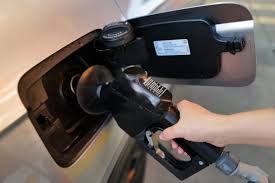
The average price of gasoline in the United States has fallen below the $4-per-gallon mark for the first time since March, offering a measure of relief to millions of motorists after months of surging fuel costs.
Despite the symbolic milestone, drivers continue to pay significantly more at the pump than they did a year ago, underscoring the lingering impact of global energy market disruptions and broader inflationary pressures.
According to data from the American Automobile Association (AAA), the national average price for a gallon of regular gasoline dropped to approximately $3.99 on June 18. The decline follows several weeks of falling oil prices and easing concerns about supply disruptions that had pushed fuel costs sharply higher earlier this year.

AD: Capeesh Restaurant
Recent improvements in geopolitical conditions and expectations of increased oil supply have contributed to the downward trend in gasoline prices. While the drop below $4 is being welcomed by consumers and policymakers alike, analysts caution that the improvement should be viewed in context. Current gasoline prices remain about 25% higher than they were at the same time last year, highlighting the continued strain on household budgets despite the recent easing at the pump.
The return to sub-$4 gasoline marks a significant psychological threshold for consumers. Fuel prices have been a major source of concern throughout the year, affecting commuting costs, travel plans, and household spending decisions across the country.
The decline comes after gasoline prices surged above $4 per gallon in March and continued climbing in subsequent weeks. National averages eventually reached highs above $4.50 per gallon in May as global oil markets reacted to geopolitical tensions and concerns about disruptions to key energy supply routes.

AD: Oysterian Sea Food Restaurant And Bar
The rapid rise in fuel costs contributed to broader inflation pressures and raised concerns about consumer spending during the peak summer travel season. Recent developments have helped reverse some of those gains. Oil prices have retreated amid signs of improving supply conditions and reduced fears of prolonged disruptions in global energy markets.
Analysts point to diplomatic progress in the Middle East and expectations of increased crude oil availability as key factors behind the recent decline in fuel prices. The easing of oil prices has filtered through to retail gasoline markets, leading to four consecutive weeks of lower pump prices nationwide.
GasBuddy, which tracks fuel prices across the country, reported average gasoline prices slightly below the AAA national average, indicating that many consumers are already experiencing lower costs at local stations. The organisation estimates that nearly half of U.S. states now report average gasoline prices below $4 per gallon, reflecting a broad-based decline in fuel costs.
The decrease has been particularly noticeable in parts of the Midwest and South, where fuel prices tend to be lower due to regional refining capacity and transportation costs. Indiana currently reports some of the lowest average gasoline prices in the nation, while several other states have also seen substantial declines in recent weeks.
Nevertheless, regional disparities remain significant. Drivers in states such as California, Hawaii, Washington, and Alaska continue to face average gasoline prices above $5 per gallon. California remains the most expensive market in the country, reflecting a combination of environmental regulations, fuel specifications, taxes, and transportation costs that keep prices well above the national average.
The recent decline is a welcome development after months of unusually high fuel costs. Transportation expenses have become a growing burden for households already grappling with elevated prices for groceries, housing, and other necessities. Lower gasoline prices could provide modest relief during the busy summer driving season and potentially support consumer spending in other areas of the economy.
Prices Still Far Above Last Year’s Level
Despite the encouraging headline, economists note that gasoline remains considerably more expensive than it was a year ago. Current national averages are roughly 25% higher than last summer, when drivers were paying closer to $3.20 per gallon. The comparison illustrates how deeply energy market disruptions have affected fuel costs over the past 12 months.
The increase has translated into billions of dollars in additional fuel expenditures for American households. Higher gasoline prices ripple throughout the economy by increasing transportation and shipping costs, which can ultimately raise prices for a wide range of goods and services.
Economists say fuel costs remain one of the most visible indicators of inflation for consumers because they are encountered frequently and affect daily routines. The recent decline also does not erase the sharp price increases experienced earlier this year.
In late March, gasoline prices climbed above $4 per gallon nationally for the first time in several years, fuelled by rising crude oil prices and uncertainty surrounding global energy supplies. By May, prices had surged by more than 50% from pre-crisis levels, placing significant pressure on households and businesses alike.
Industry experts warn that fuel markets remain vulnerable to future volatility. Although oil prices have moderated, supply chains continue to face challenges, and global energy markets remain sensitive to geopolitical developments. Any major disruption to oil production or transportation routes could quickly reverse the recent declines and send gasoline prices higher once again.
Refining capacity is another factor that could influence prices in the months ahead. The United States continues to operate with limited spare refining capacity compared with previous years, making it more difficult for markets to absorb sudden increases in demand or supply disruptions. Seasonal factors, severe weather, or unexpected refinery outages could also contribute to price fluctuations during the remainder of the year.
However, the trend is moving in a favourable direction for consumers. The combination of lower crude oil prices, improving supply expectations, and reduced geopolitical uncertainty has provided a measure of stability to fuel markets. While gasoline prices remain well above year-ago levels, the drop below $4 per gallon represents a meaningful shift from the record highs experienced earlier in the year.
Whether that relief proves lasting will depend largely on developments in global energy markets and the pace at which oil supplies continue to normalise. Until then, American drivers may welcome the lower prices at the pump, even as many remain aware that fuel costs are still considerably higher than they were just a year ago.

AD: Heritage And Restaurant Lounge Bar