
By Kenneth Williams-
The NFL is officially bringing the Super Bowl to Nashville for the first time, awarding the 2030 championship game to the Tennessee Titans’ new enclosed Nissan Stadium in a landmark moment for one of America’s fastest-growing sports and entertainment cities.
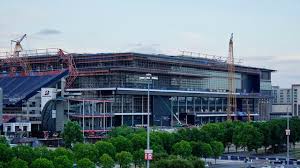
NFL owners voted Tuesday during league meetings in Orlando to select Nashville as the host of Super Bowl LXIV, a decision that league officials and Tennessee leaders described as the culmination of years of investment, planning and lobbying. The game will be played in February 2030 at the Titans’ new $2.1 billion stadium currently under construction along the Cumberland River in downtown Nashville.

AD: Capeesh Restaurant
The announcement marks a historic breakthrough for Nashville, which has evolved over the past decade from a regional football market into one of the NFL’s most visible destinations. Once known primarily for country music and tourism, the city has increasingly positioned itself as a major host for marquee sporting events, concerts and conventions.
NFL Commissioner Roger Goodell said Nashville earned the league’s confidence after successfully hosting the 2019 NFL Draft, an event that drew hundreds of thousands of fans downtown and shattered attendance expectations. League executives have repeatedly referenced that draft as proof Nashville could handle the enormous logistical and commercial demands associated with the Super Bowl.
The Titans’ new enclosed stadium was specifically designed with events like the Super Bowl, Final Four and College Football Playoff championship in mind. According to project details released by the team, the venue will feature a translucent ETFE roof, panoramic terraces, advanced event infrastructure and approximately 60,000 seats when it opens in 2027.

AD: Oysterian Sea Food Restaurant And Bar
The NFL’s decision also continues a broader trend of awarding Super Bowls to cities with newly built or recently renovated stadiums. Over the past two decades, league owners have consistently prioritized modern venues capable of generating year-round revenue and hosting large-scale entertainment events beyond football.
Future Super Bowls are already scheduled for Los Angeles in 2027, Atlanta in 2028 and Las Vegas in 2029 before Nashville takes center stage the following year.
With the Titans, the announcement represents a major validation of the franchise’s long-term vision. Team owner Amy Adams Strunk has spent years arguing that Nashville deserved to join the NFL’s elite event rotation and insisted the new stadium would transform the city’s national profile. Tuesday’s vote effectively confirms that strategy.
The new Nissan Stadium is being constructed adjacent to the Titans’ current home, which opened in 1999. The existing venue lacked the enclosed infrastructure generally required for modern Super Bowl hosting. NFL policy traditionally favours warm-weather locations or stadiums with roofs because of concerns over winter weather disruptions.
The enclosed design became one of the most important factors in Nashville’s successful bid. Titans officials argued the roof would not only make the stadium suitable for the Super Bowl but would also allow the city to compete for year-round events ranging from WrestleMania and major concerts to college basketball tournaments and political conventions.
However, it has not been without controversy. Public financing for the stadium became the subject of heated political debate after Tennessee approved hundreds of millions of dollars in funding support. Critics argued taxpayers were contributing too much toward a private sports venue, while supporters said the long-term tourism and economic benefits would justify the investment.
Under the current financing structure, approximately $840 million is being paid by the Titans, with additional funding coming from Tennessee state contributions, revenue bonds and tourism-related taxes. Reports have described the public contribution as one of the largest stadium subsidies in U.S. history.
Nashville’s Transformation Into a Sports Capital
The NFL’s decision reflects Nashville’s rapid transformation into one of the country’s most influential sports and entertainment markets. Over the last decade, the city has attracted major events across multiple leagues while experiencing explosive population and tourism growth.
Local officials say Nashville now offers more than 61,000 hotel rooms, with projections estimating that number could exceed 80,000 by the time the Super Bowl arrives in 2030. The city’s hospitality industry, music culture and walkable downtown entertainment district were all major selling points in the NFL’s evaluation process.
Nashville Convention & Visitors Corp. president Deana Ivey called the Super Bowl selection a defining moment for the city’s national identity, saying Nashville’s combination of music, nightlife and sports creates a unique experience unlike any other NFL host market.
Sports economists estimate the Super Bowl could generate hundreds of millions of dollars in economic activity through tourism, hospitality, sponsorships and global media exposure. The game routinely attracts more than 100 million television viewers worldwide while bringing corporate executives, celebrities and international media to the host city.
Nashville leaders believe the event will permanently elevate the city’s status among major sports destinations. Beyond football, the city has already hosted NHL events through the Nashville Predators, major soccer competitions involving Nashville SC and college football bowl games tied to the SEC and broader national schedule.
The city’s emergence mirrors a larger trend in American sports economics, where leagues increasingly seek destinations capable of blending entertainment, tourism and media appeal. Nashville’s thriving music scene, concentrated downtown core and reputation as a convention city made it especially attractive to NFL owners evaluating future Super Bowl sites.
Questions remain about whether Nashville’s infrastructure can fully accommodate an event of this magnitude. Some critics have pointed to concerns over transportation, parking and stadium capacity. At roughly 60,000 seats, the new Nissan Stadium will be among the smaller Super Bowl venues in recent history.
League officials have dismissed those concerns, arguing that modern Super Bowls prioritise premium hospitality experiences and surrounding entertainment districts more than sheer seating size. The NFL has increasingly emphasised luxury suites, sponsorship opportunities and fan festivals rather than maximising attendance alone.
The Titans’ new stadium is also expected to feature extensive surrounding development projects, including entertainment spaces, retail areas and upgraded infrastructure along Nashville’s riverfront. City planners believe the broader district surrounding the stadium will be nearly as important as the venue itself when the Super Bowl arrives.
A Defining Moment for the Titans and the NFL
The Tennessee Titans franchise, hosting the Super Bowl represents one of the most significant achievements since the organisation relocated from Houston in the 1990s. The team has long worked to strengthen its connection to Nashville and establish itself as one of the NFL’s premier franchises despite operating in a relatively small market.
The Titans reached the Super Bowl during the 1999 season but have never hosted the game. Their current stadium, while centrally located and popular among fans, lacked the enclosed design and premium infrastructure necessary for modern NFL championship requirements.
The new stadium changes that equation dramatically. Titans executives have promoted the venue as a next-generation entertainment complex capable of competing with facilities in Las Vegas, Los Angeles and Atlanta. The NFL’s vote effectively confirms Nashville has entered that category.
Commissioner Goodell emphasised that the league views Nashville as more than simply a football market. Instead, he described the city as an entertainment capital capable of delivering a week-long festival atmosphere that aligns with the Super Bowl’s evolution into a global cultural event.
The Super Bowl announcement also arrives during a period of unprecedented growth for the NFL itself. Television ratings remain dominant, media-rights deals continue expanding and the league is aggressively pursuing international audiences through overseas games and digital streaming partnerships.
Awarding the game to Nashville reflects the NFL’s broader strategy of blending sports, tourism and entertainment into a unified commercial product. Nashville’s reputation for live music, nightlife and celebrity culture gives the league a built-in promotional advantage that few cities can match.
Speculation has already begun regarding potential halftime performers, celebrity events and fan festivals tied to the game. Some entertainment observers have even floated the possibility of hometown superstar Taylor Swift eventually headlining a Super Bowl halftime show in Nashville, though no official discussions have occurred.
Construction on the new stadium remains ongoing, with the venue expected to open before the 2027 NFL season. Titans officials insist the project remains on schedule despite occasional construction delays and controversies that have emerged during development.
When the Super Bowl finally arrives in February 2030, Nashville will become just the latest city to use professional football as a catalyst for broader economic ambition and global visibility. With the NFL, the move signals confidence in Nashville’s future. In Tennessee, it represents a defining milestone in the city’s transformation from Music City into one of America’s premier sports destinations.

AD: Heritage And Restaurant Lounge Bar