
By Isabelle Wilson-
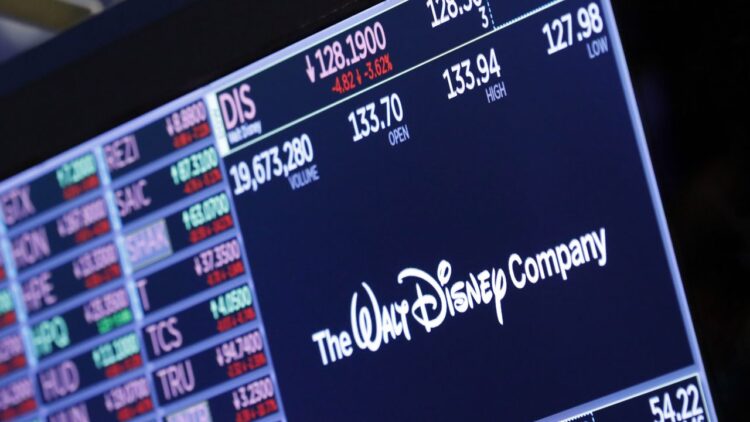
The Walt Disney Co. has begun laying off approximately 1,000 employees across its global operations, marking one of the first major restructuring moves under its new leadership and underscoring the entertainment giant’s ongoing effort to adjust to shifting media consumption patterns, rising costs, and intensifying competition in streaming and traditional television.
The cuts, which began this week, affect multiple divisions including film and television studios, ESPN, marketing, product development, technology, and corporate functions. According to internal communications reported by multiple outlets, employees were notified as the company started implementing a broader plan to streamline operations and align its workforce with evolving industry demands.

AD: Capeesh Restaurant
The layoffs represent less than one percent of Disney’s global workforce, which stood at roughly 230,000 employees at the end of the 2025 fiscal year, but they have nevertheless sent ripples through Hollywood and the wider media industry.
Disney’s announcement comes at a time when major entertainment companies are recalibrating after years of expansion fuelled by streaming wars and aggressive content spending. Now, with subscriber growth slowing and traditional television revenue declining, studios are under pressure to reduce costs and restructure operations.
The move follows similar reductions at other media conglomerates, including Warner Bros. Discovery and Paramount, both of which have recently undertaken layoffs and reorganisations as they attempt to stabilise profits in a volatile market.

AD: Oysterian Sea Food Restaurant And Bar
In an internal memo sent to staff, Disney CEO Josh D’Amaro said the decision to cut around 1,000 jobs is part of a broader effort to streamline operations and adapt the company to rapid changes in the media landscape.
D’Amaro emphasised that the restructuring reflects the “fast-moving pace” of the industry and the need for Disney to become more agile in how it operates rather than a response to individual performance concerns.
It’s reported that the memo reassured employees the layoffs were not a reflection of their contributions or the company’s overall health, framing the cuts as structural adjustments aimed at positioning Disney for long-term competitiveness.
The layoffs are among the first significant corporate actions under D’Amaro’s leadership and signal the direction he intends to take Disney during a period of transformation.
In his memo, he described the entertainment landscape as “fast-moving,” noting that companies must continually reassess how they operate in order to remain competitive in an environment shaped by streaming disruption, advertising volatility, and the growing influence of tech-driven content platforms.
The affected roles span several key business areas, including ESPN’s traditional television operations, Disney’s film studios, its marketing divisions, and corporate support teams. The restructuring follows earlier internal consolidation efforts, particularly in marketing, where Disney has been attempting to unify brand strategy across its sprawling portfolio of entertainment properties.
Industry analysts say the cuts are part of a broader re-calibration across Hollywood, where studios are still grappling with the financial consequences of overspending during the streaming boom. Companies that once raced to build massive content libraries are now focusing on profitability and operational efficiency, often by reducing staff and narrowing production pipelines.
The shift also reflects broader structural changes in how audiences consume entertainment, with traditional television steadily losing ground to streaming and digital platforms. Disney’s legacy networks, including ABC and ESPN, have been affected by long-term cord-cutting trends as viewers move away from cable packages toward on-demand services and online video ecosystems.
Declining traditional TV revenue has become a growing pressure point for Disney as audiences and advertisers continue migrating toward streaming-first consumption models.
While Disney+ has become central to the company’s future strategy, it continues to operate in a difficult balancing act between growth and profitability. While the service has helped Disney expand its direct-to-consumer footprint, it has also faced ongoing pressure from high content costs and the need to reduce streaming losses while competing in a crowded global market.
Despite occasional quarterly improvements, Disney’s streaming division remains under pressure to achieve sustained profitability while maintaining subscriber momentum.
In a broader sense, Disney’s layoffs mirror a pattern seen across the entertainment industry over the past two years. From legacy studios to emerging streaming-first platforms, companies are reassessing their cost structures as advertising revenue fluctuates and production budgets tighten.
Even successful franchises and box office hits have not insulated companies from workforce reductions, as executives prioritize long-term financial stability over short-term expansion.
At Disney, this tension is particularly pronounced given the company’s dual identity as both a legacy media institution and a modern streaming competitor. Its operations span theme parks, cruise lines, film studios, television networks, and consumer products, making it both resilient and complex to manage during periods of economic pressure.
The layoffs also come after a series of broader organisational changes initiated over the past several years, including earlier rounds of job cuts under previous leadership as part of multibillion-dollar cost-saving initiatives. Those earlier reductions laid the groundwork for the current restructuring, which aims to further integrate Disney’s divisions under a more unified operational model.
Despite the difficult optics of layoffs, Disney leadership has maintained that the company remains financially strong and creatively vibrant. Executives have pointed to continued performance in its theme parks division and select film franchises as evidence of underlying strength, even as other parts of the business face headwinds.
While notifications continue to roll out to affected employees, attention is now turning to what further changes may follow. Analysts expect that Disney’s restructuring could extend beyond workforce reductions, potentially including additional consolidation of streaming services, continued realignment of marketing operations, and further integration of its television and digital platforms.
Across Hollywood, studios are re-calibrating after years of aggressive spending aimed at building streaming libraries and capturing global subscribers at speed. That strategy, once seen as essential to survival in the “streaming wars,” has increasingly given way to a more cautious focus on profitability, cost discipline, and selective content investment.
With Disney, this means reassessing not only headcount but also how projects are developed, marketed, and distributed across its sprawling ecosystem of film, television, and digital platforms.
The pressure is particularly acute because Disney operates across multiple revenue streams, from theatrical releases and television networks to theme parks and consumer products. Each division is now being evaluated through the lens of efficiency, with executives seeking ways to reduce overlap and streamline decision-making.
In practice, this often translates into fewer layers of management, more centralised production decisions, and tighter scrutiny over greenlit projects.
The company still faces expectations to deliver the kind of large-scale storytelling that has defined its global reputation for decades. Franchises tied to Marvel, Star Wars, and Pixar remain central to Disney’s identity, but sustaining those creative pipelines while managing cost pressures is becoming increasingly complex. T
The tension between artistic ambition and financial restraint is now one of the defining challenges for the company’s leadership.
Industry analysts note that this balancing act is not unique to Disney, but the company’s scale makes its decisions especially visible. When Disney restructures, the ripple effects are felt across the entertainment sector, influencing hiring patterns, production budgets, and even the types of stories studios are willing to take risks on.

AD: Heritage And Restaurant Lounge Bar