
By Isabelle Wilson-
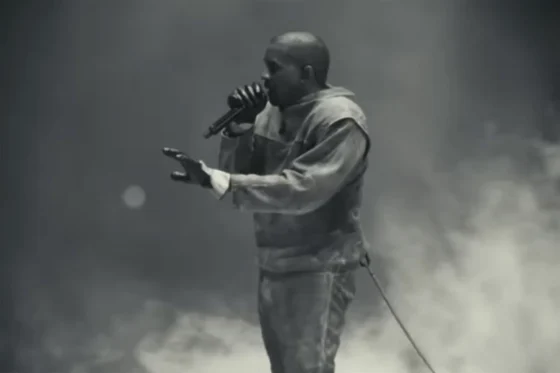
After years marked by controversy, public missteps and fractured relationships with fans and industry partners, Ye the artist formerly (and perhaps soon again) known as Kanye West delivered what his promoters are calling a comeback moment, selling out SoFi Stadium in the Los Angeles area and reigniting global conversation about his place in music and popular culture.
The Good Friday concert drew approximately 70,000 fans eager to see Ye’s first major U.S. performance in nearly five years, signaling that the rapper’s commercial pull and cultural cachet remain significant despite his fraught recent history.

AD: Capeesh Restaurant
Ye’s performance was an ambitious blend of nostalgia and spectacle, featuring more than 40 songs spanning his career from early classics to more recent tracks and set against a striking half‑orb stage design that shifted between imagery of the moon, a rotating Earth and other cosmic visuals.
In a moment that grabbed headlines, Lauryn Hill, a seminal figure in hip‑hop and R&B, made a surprise appearance, joining Ye onstage for the first time and performing collaborations including “All Falls Down” and his track “Believe What I Say.”
Special guests also included Travis Scott, CeeLo Green and Ye’s 12‑year‑old daughter North West, who contributed vocals atop the illuminated dome later in the set.

AD: Oysterian Sea Food Restaurant And Bar
The concert came against a backdrop of intense public scrutiny. Last year, Ye released a song titled “Heil Hitler,” which sparked widespread condemnation, and he lost most of his major brand partnerships. Earlier this year, he published a public apology addressing antisemitic remarks part of a broader effort to rehabilitate his image.
Fans in attendance expressed a mix of enthusiasm and conflicted emotions. Some said they had chosen to separate the artist’s personal controversies from his artistic output, while others grappled with moral questions about supporting a performer whose recent statements have drawn sharp criticism.
Though Ye’s return to the stage was met with cheers, it was not without its bumps. Reviews noted that technical issues and uneven delivery marked parts of the performance, and some critics questioned whether the spectacle masked deeper artistic weaknesses.
With Ye, the concert represents more than a show; it’s a litmus test of his ability to return to relevance after years of controversy. Despite fractured industry relationships, his ability to fill a massive stadium and to rally influential figures like Lauryn Hill to his side suggests his legacy and influence continue to resonate.
The emotional centerpiece of the night was perhaps Ye’s own gratitude. Addressing the crowd, he thanked fans “for sticking by me all these years,” a message that underscored the complicated dynamics at play between artist and audience.
Yet, the broader implications extend beyond a single performance. The degree to which Ye’s fanbase embraces his comeback and the degree to which the wider music industry and public culture accept or reject it remains closely watched.
The emphasis remains firmly on his musical genius and ability to command the stage; for others, the controversy that surrounds him continues to overshadow the art.
The concert’s success in ticket sales and audience engagement is indisputable, but questions linger about the sustainability of this comeback. Will Ye be able to maintain momentum with future tour stops or new material, or will unresolved controversies dilute his revival? Only time and the reactions of fans, critics and the music industry will tell.
While Ye exited the stadium alongside his wife, Bianca Censori, and two of his children, the moment captured the complicated duality of his career’s current chapter: triumph tinged with contention, artistry entwined with controversy, and a comeback that feels as uncertain as it is attention‑grabbing.
On one hand, the concert represented a clear affirmation of his enduring cultural influence. Selling out SoFi Stadium, one of the largest venues in the Los Angeles area, demonstrated that Ye still commands a fanbase willing to fill arenas and pay premium prices for the opportunity to witness his artistry live.
To many attendees, the experience was a celebration of musical innovation, blending old hits with modern production and featuring surprise appearances by notable artists such as Lauryn Hill and Travis Scott, who lent star power to an already high-profile event.
The visual elements of the performance rotating stages, immersive lighting, and elaborate projections reinforced Ye’s reputation for theatrical, boundary-pushing showmanship, signalling that he has not lost the flair that made his past performances legendary.
Yet alongside the spectacle, the shadow of controversy loomed large. Ye’s recent history of public missteps, including offensive statements and highly publicised personal struggles, continued to colour public perception.
For critics and casual observers, the excitement of the live performance was tempered by unease, with questions about the ethics of supporting an artist who has been involved in polarising incidents.
Social media and news outlets buzzed with commentary, some praising his artistry and others highlighting the need to separate the music from the man. The polarised reception illustrated the ongoing tension in Ye’s public narrative his creative genius remains undeniable, but it is inextricably linked with personal controversies that complicate any straightforward celebration of his work.
The concert encapsulated both hope and uncertainty. It was a moment of potential redemption, signalling that Ye is actively working to reclaim his position in popular culture and rebuild relationships with fans and collaborators. Sustaining momentum will require not only artistic brilliance but careful navigation of public perception and the consequences of past actions.
The presence of his family in the closing moments a visual reminder of both his personal life and his grounding in family added an emotional layer, suggesting that Ye sees this chapter not just as a career resurgence but as a personal journey.
The night highlighted the duality that defines Ye’s career today: the simultaneous ability to captivate audiences with groundbreaking performances and to provoke debate about accountability, public behaviour, and redemption.

AD: Heritage And Restaurant Lounge Bar