
By Aaron Miller-
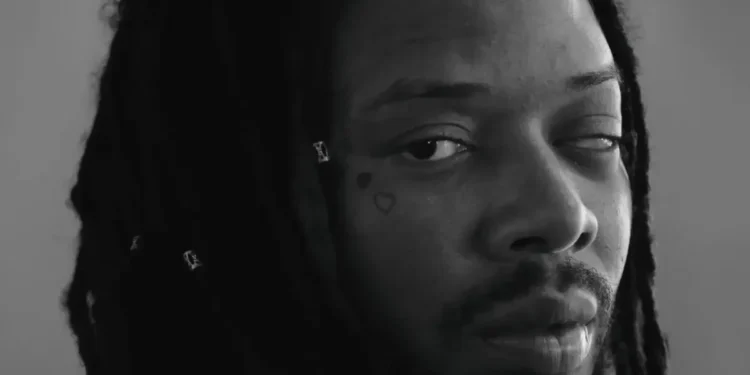
After years of silence from behind bars, Fetty Wap is back in the spotlight with a bold, deeply personal musical statement. His new album Zavier arriving March 27 marks his first full‑length release since being released from prison and offers fans a raw, reflective glimpse into his journey from incarceration to a creative rebirth. The record arrives just months after his homecoming and could reshape the narrative around one of the most distinctive voices in modern hip‑hop.
Born Willie Junior Maxwell II in Paterson, New Jersey, Fetty Wap shot to global prominence in the mid‑2010s with hits like “Trap Queen,” “679” and “My Way,” becoming one of the era’s defining artists.

AD: Capeesh Restaurant
His blend of melodic delivery and emotional vulnerability helped usher in a wave of genre‑blending rap that blurred lines between street grit and pop sensibilities. But his rising star dimmed in 2023 when he was sentenced to six years in prison on federal drug trafficking charges.
After serving just over half his sentence, he was released to home confinement in January, paving the way for Zavier and a long‑anticipated return to music.
In interviews leading up to the release, Fetty Wap made it clear that Zavier is more than a standard comeback album it’s a reckoning. He told reporters he “had a lot to say” after years of pent‑up thoughts and experiences formed away from the public eye. His time in confinement, he says, reshaped his perspective on life, legacy and the role of music in healing.

AD: Oysterian Sea Food Restaurant And Bar
That sentiment has been echoed in coverage noting how quickly he dove into the project upon his release, channeling both personal reflection and artistic urgency into the record.
Zavier is slated to feature 17 tracks, with Fetty hinting in social media teasers and press pieces that the album blends introspection with his signature appeal. Long‑time fans and critics alike have described the project as a bridge between the artist’s roots and the man he’s become after facing real‑world struggles.
With Fetty Wap, Zavier represents a stark contrast to the carefree charisma of his early hits. Those singles, many of which dominated charts in the 2010s, were buoyed by infectious hooks and an unmistakable energy that propelled him into pop culture’s mainstream. But the backdrop for Zavier is markedly different born out of loss, confinement and a hard reevaluation of priorities.
In interviews ahead of the album release, Fetty Wap reflected on the things he missed most while incarcerated family, freedom, simple daily experiences like re‑learning how to drive and how those elements have shaped the narrative arc of his newest work.
He told reporters that the period away from music and life was sobering but ultimately transformative, hardening his resolve to make his comeback meaningful.
The title Zavier itself suggests a coming‑of‑age quality, signaling a rebirth under his given name rather than the persona the world once knew.
Industry response has been mixed but intrigued. Some critics argue that an artist returning from a prolonged absence faces a landscape that has shifted since his last era of dominance; others point to the emotional honesty of the album’s rollout as a promising sign.
A key theme running through discussions about the album is Fetty’s newfound vulnerability not just as a rapper, but as a man reconciling his past choices with hopes for the future.
Fans speculate about the breadth of songs and how his experiences might surface in lyrics, while some remain cautiously optimistic about his ability to redefine his sound.
The creative process behind Zavier has itself become part of the album’s mystique. According to early chatter from fans and snippets shared online, Fetty reportedly recorded hundreds of ideas in a short span of time once he returned to the studio a testament to his urgency and artistic drive.
While the exact accuracy of those claims is debated among listeners, they underscore one clear truth: Fetty Wap is creatively unafraid and ready to stake his claim on his own narrative once more.
Behind Zavier lies a deeper story about reinvention and the power of music as a means of personal expression. In interviews, he’s acknowledged that his time away forced him to confront parts of himself he may have previously overlooked. Some industry insiders compare this chapter to other high‑profile comebacks, where artists emerge from adversity not just intact, but creatively sharpened.
Whether Zavier fulfills that potential remains to be seen but early buzz suggests the album could resonate with listeners who appreciate unvarnished honesty in hip‑hop.
Fetty’s personal life has also shaped the narrative surrounding the release. Since his freedom, he’s been navigating the complexities of fatherhood, family obligations and reconciliation with those closest to him. In press pieces and social coverage, he’s talked openly about what it means to “move forward” reframing his journey not as a stumble in his career, but as a chapter of growth.
While Zavier hits streaming services and record stores this week, the broader music community will be watching not just chart performance, but cultural impact.
The album arrives at a time when conversations around redemption, artistic evolution and accountability are at the forefront of hip‑hop discourse. Fetty Wap’s return comes loaded with expectations, but also a rare opportunity to shift public perception through art rather than headlines.
Zavier may prove to be more than a comeback. It could stand as a testament to resilience, creative reinvention, and the enduring power of voice, even after a prolonged silence. Fetty Wap’s journey has been marked by both dazzling highs and sobering lows, and this album captures the full spectrum of an artist navigating the consequences of fame, missteps, and personal transformation.
Where his early hits leaned on the infectious energy of youth and the immediacy of street storytelling, Zavier presents a deeper, more introspective perspective one forged in the quiet, often isolating reflection that comes with time away from the public eye.
The album becomes a canvas where vulnerability and confidence coexist, where the scars of the past are acknowledged without allowing them to define the artist entirely.
An artist who once captivated the world with his voice and emotive sing‑speak delivery, this next chapter is not just about reclaiming past glory but about forging a path forward on his own terms.
Fetty Wap is seeking to demonstrate that evolution does not necessarily mean abandoning one’s signature style; instead, it can mean layering new experiences, struggles, and insights atop what fans already love. Every verse, every melody in Zavier seems to carry a weight of lived experience a reminder that artistry can be both entertaining and cathartic, both celebratory and redemptive.
The album highlights the broader narrative of second chances in modern hip‑hop. In a genre that often reflects the stark realities of life, recovery, and resilience, Fetty Wap’s return embodies a universal story: that reinvention is possible, even after the most challenging circumstances.

AD: Heritage And Restaurant Lounge Bar