
By Ben Kerrigan-
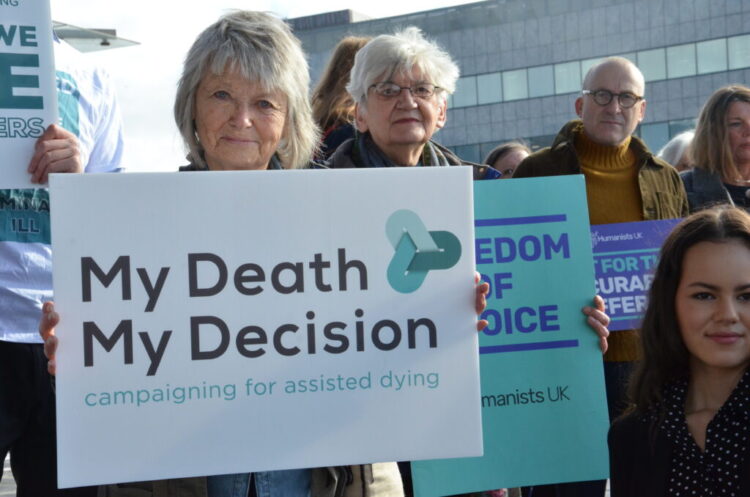
London — Members of Parliament have backed controversial proposals to legalise assisted dying for terminally ill adults, marking a watershed moment in one of the most emotionally charged debates in modern British politics.
After hours of impassioned speeches and deeply personal testimony in the House of Commons, MPs voted in favour of advancing the proposed Terminally Ill Adults (End of Life) Bill, legislation that could allow certain terminally ill people in England and Wales to receive medical assistance to end their lives under tightly controlled conditions.

AD: Capeesh Restaurant
The vote — one of the most significant ethical decisions faced by Parliament in recent decades — passed by 314 votes to 291, reflecting a growing willingness among lawmakers to reconsider the country’s strict prohibition on assisted suicide.
The debate cut across party lines, with MPs voting according to conscience rather than party instructions, revealing deep divisions not only within political parties but across society, medicine and faith communities.
The bill was introduced by Labour MP Kim Leadbeater, who argued that the law governing end-of-life choices has failed to keep pace with both public attitudes and medical realities. Speaking during the debate, Leadbeater said the legislation aims to provide a “compassionate, safeguarded choice” for those facing imminent death and unbearable suffering.

AD: Oysterian Sea Food Restaurant And Bar
Under current law, assisting someone to take their own life remains illegal in England and Wales and carries a potential prison sentence of up to 14 years. However, campaigners have long argued that the ban forces some terminally ill patients to endure extreme suffering or travel abroad to places such as Switzerland, where assisted dying is legal under certain circumstances.
Leadbeater told MPs that the bill seeks to address what she described as a “cruel gap” in the law.
“People who are dying deserve dignity, autonomy and compassion,” she said. “For a small number of people, the final months of life can bring intolerable suffering that medicine cannot relieve. This bill offers a strictly regulated option for those individuals.”
The proposed legislation would allow adults aged 18 or over who have been diagnosed with a terminal illness and given a prognosis of less than six months to live to request assistance to end their lives. To qualify, patients would need to demonstrate mental capacity and make two formal declarations of their wish to proceed.
Two independent doctors would also have to confirm both the diagnosis and the patient’s eligibility. An oversight panel including legal and medical experts would review each case before permission is granted. Under the bill’s provisions, the patient — not a doctor — would be required to self-administer the life-ending medication.
Supporters of the bill say these measures create one of the most stringent systems of safeguards proposed anywhere in the world. Advocates argue that the legislation is designed specifically for a limited group of terminally ill patients whose suffering cannot be alleviated through conventional treatment or palliative care.
Yet the vote also highlighted profound moral unease among many MPs, some of whom warned that legalising assisted dying could have far-reaching consequences for society’s understanding of life, death and medical responsibility.
A Vote That Split Parliament
The government allowed MPs a free vote on the issue, meaning lawmakers were able to decide according to their personal convictions rather than following party instructions. Such conscience votes are typically reserved for matters involving ethical or moral judgement.
The result revealed divisions across the political spectrum. While many Labour MPs supported the bill, others opposed it, warning that the legislation could expose vulnerable people to subtle forms of pressure. Among Conservatives, opposition was more pronounced, although several members broke ranks to support the proposal.
Prime Minister Keir Starmer voted in favour of advancing the legislation, arguing that Parliament has a responsibility to consider whether existing laws adequately reflect modern values and medical realities. However, several senior ministers took the opposite view.
Health Secretary Wes Streeting expressed concerns that introducing assisted dying could create unintended consequences, particularly for patients who may feel like a burden on their families or the healthcare system.
“We must be extremely careful about the message we send to those who are vulnerable,” Streeting said during the debate. “The risk is not simply theoretical. We must ask whether this law might, however unintentionally, lead people to believe their lives are less worth living.”
Opposition to the bill also came from Conservative leader Kemi Badenoch, who warned that legalising assisted dying could fundamentally alter the ethical foundations of medicine. Badenoch argued that doctors are trained to preserve life and relieve suffering, not to assist in ending life.
Several MPs described the vote as one of the most difficult decisions of their parliamentary careers. The debate was marked by emotional speeches, with lawmakers recounting experiences of relatives and constituents who had suffered through terminal illnesses.
For some MPs, those personal stories strengthened the case for reform. For others, they reinforced the importance of protecting life at all stages, even in the face of severe illness.
Public opinion surveys suggest that a substantial majority of Britons support allowing assisted dying for terminally ill patients under strict safeguards. Campaign groups such as Dignity in Dying argue that Parliament is gradually catching up with public sentiment.
However, critics say public opinion polls cannot capture the full ethical complexity of the issue.
Religious leaders and disability rights groups have been among the most vocal opponents of the legislation. They argue that legalising assisted dying risks normalising the idea that certain lives — particularly those affected by illness, disability or age — may be less valuable.
Opponents frequently warn of a so-called “slippery slope,” suggesting that once assisted dying is permitted for terminally ill patients, eligibility criteria could gradually expand. Some point to developments in countries such as Canada and the Netherlands, where assisted dying laws have broadened over time.
Supporters of the bill reject those concerns, arguing that the proposed safeguards make such expansion unlikely. They also point to international examples where regulated systems of assisted dying have been operating for years without evidence of widespread abuse.
The Long Road Ahead
Although the Commons vote represents a major milestone for supporters of assisted dying, the legislation still faces a challenging path before it could become law. The bill must now undergo scrutiny in the House of Lords, where peers will examine its provisions in detail and may propose amendments.
Historically, the Lords has been more cautious on assisted dying proposals, and several previous attempts to change the law have stalled at this stage.
Some peers have already indicated they intend to scrutinise the safeguards carefully, particularly the procedures for assessing mental capacity and ensuring that patients are free from coercion.
There are also practical questions about how the system would operate in practice, including the role of doctors, the structure of oversight panels and the interaction with existing end-of-life care services.
Campaigners on both sides of the debate acknowledge that the legislative process is far from over.
Supporters argue that the Commons vote demonstrates clear democratic backing for reform and that the Lords should respect the will of elected representatives. Opponents, meanwhile, insist that the upper chamber has a duty to examine the bill thoroughly before any change to such a fundamental law.
Whatever the eventual outcome, the vote has already transformed the national conversation about death and dying in Britain. For decades, assisted dying remained a politically sensitive subject that many lawmakers avoided confronting directly.
The Commons decision suggests that attitudes are changing.
For supporters, the bill represents a compassionate response to human suffering and an affirmation of personal autonomy at the end of life. For critics, it raises profound questions about the responsibilities of the state, the ethics of medicine and society’s duty to protect its most vulnerable members.
As the legislation moves forward, the debate is likely to intensify both inside and outside Parliament.
The question confronting lawmakers is not simply whether assisted dying should be legalised, but how a society balances compassion for those facing unbearable suffering with the obligation to safeguard human life.
That dilemma ensures the issue will remain one of the most complex and emotionally charged debates in British public life for years to come.

AD: Heritage And Restaurant Lounge Bar