
By Sammy Jones-
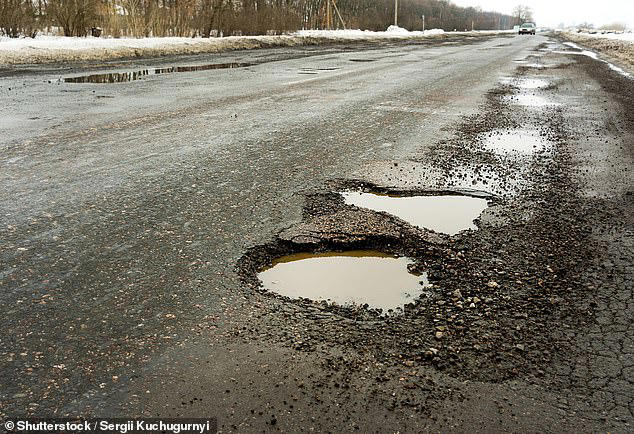
After weeks of relentless rain across the United Kingdom, a new danger has been quietly forming on the nation’s roads. Puddles left by the wet start to the year are concealing deep potholes, catching motorists off guard and triggering a sharp rise in vehicle damage. What appears to be nothing more than standing water can suddenly become a costly trap, as drivers unknowingly hit hidden craters that jar suspensions, puncture tyres and send repair bills soaring.
Breakdown figures from the motoring organisation the RAC show a dramatic rise in incidents linked to pothole damage during the early months of the year. Heavy rainfall has left standing water across many roads, masking holes and cracks that would normally be visible to drivers.

AD: Capeesh Restaurant
With the result, motorists travelling through puddles are often unable to anticipate the sudden jolt that can damage tyres, wheels and suspension systems.
The situation has sparked renewed debate over the condition of Britain’s roads and the long-standing battle between councils, government funding and the relentless effects of weather on aging infrastructure. With drivers already facing rising motoring costs, the hidden potholes represent yet another unexpected expense.
According to data compiled by the RAC, the number of breakdown reports mentioning potholes soared during February after weeks of wet weather across the country. The organisation said the daily average number of pothole-related incidents was more than three times higher than during the same month last year.

AD: Oysterian Sea Food Restaurant And Bar
The figures illustrate the scale of the problem. In February alone, 6,290 RAC members mentioned potholes when logging breakdown calls a sharp increase compared with 1,842 during February the previous year. January showed a similar pattern, with more than 5,000 mentions linked to road defects.
The explanation, according to motoring experts, lies in the extraordinary amount of standing water left on roads after persistent winter rainfall. Many of the potholes responsible for vehicle damage were hidden beneath puddles, meaning drivers had little chance to avoid them.
Simon Williams, head of policy at the RAC, described the phenomenon as an unfortunate consequence of the wet conditions. Standing water, he explained, had been widespread on roads, disguising holes in the surface and leaving motorists vulnerable to sudden impacts.
But the rain itself is only part of the story. Road engineers note that water is one of the primary causes of pothole formation in the first place.
When water seeps into small cracks in the road surface and temperatures drop, it can freeze and expand, gradually widening the gaps. Over time, repeated cycles of freezing, thawing and heavy traffic weaken the asphalt until pieces break away, leaving the familiar crater.
Once the potholes form, rain can quickly fill them with water, effectively disguising the depth and shape of the hazard. A puddle that appears shallow may in fact conceal a sharp drop capable of damaging a vehicle travelling at speed.
The mechanical consequences can be severe. Common issues include damaged shock absorbers, broken suspension springs and distorted wheels problems that often require costly repairs.
Motoring data suggests that repair costs can easily reach hundreds of pounds. In some cases, damage more serious than a puncture may cost drivers up to around £590 to repair if a vehicle must be taken to a garage.
With motorists, the damage happens in an instant. A sudden thud through the steering wheel or a jolt through the chassis is often the only warning that the car has struck a pothole hidden beneath the water’s surface.
While this year’s wet winter has worsened the situation, potholes themselves are far from a new problem for Britain’s roads. Surveys suggest that the condition of highways has been deteriorating for years, leaving drivers increasingly frustrated.
A recent survey of motorists found that 58% believe road quality has worsened over the past year, while around 80% said their local councils are not repairing potholes quickly enough.
The scale of the problem is vast. Estimates indicate that drivers in England and Wales encounter an average of six potholes per mile on local roads, highlighting the everyday challenge faced by commuters and professional drivers alike.
While some drivers, avoiding potholes has become a constant part of the driving experience. Surveys indicate that many motorists frequently brake suddenly or adjust their path to steer around damaged sections of road, sometimes even driving closer to the centre line to avoid the worst areas.
Motoring organisations warn that such manoeuvres can themselves pose safety risks, particularly on busy roads or in poor weather conditions.
The problem has also become a financial issue for households. The cumulative cost of pothole-related vehicle damage runs into billions of pounds annually across the UK, according to industry estimates.
Local councils, meanwhile, face mounting pressure to repair roads more quickly. Officials acknowledge that weather plays a significant role in road deterioration but point to the challenges of maintaining thousands of miles of highways with limited budgets.
Government ministers have responded by promising additional funding to tackle the issue. In recent announcements, authorities pledged billions of pounds over several years to help local councils repair roads and address potholes more effectively.
However, critics argue that long-term maintenance strategies are needed rather than short-term patch repairs that may deteriorate again within months.
Motoring experts also highlight drainage as a critical factor. If water is allowed to sit on road surfaces for long periods, it accelerates the process of cracking and erosion that eventually produces potholes. Improving drainage systems, they say, could significantly reduce the number of defects appearing each winter.
To drivers navigating puddle-covered roads today, though, the debate over long-term infrastructure policy offers little immediate comfort. Each stretch of water on the asphalt carries the risk of concealing a sudden drop that could damage a tyre or suspension component.
Safety advice from motoring groups remains straightforward: reduce speed when approaching standing water, maintain safe tyre pressure, and report potholes to local authorities whenever possible. But with weeks of wet weather already behind the country and more storms always possible the pothole season may not be over yet.
While spring approaches, road crews across the UK are likely to face months of repair work. Until those repairs catch up with the damage, drivers will continue navigating roads where a simple puddle may hide a far more expensive surprise beneath the surface.

AD: Heritage And Restaurant Lounge Bar