
By Ben Kerrigan-
As tensions escalate in the Middle East, the impact is reaching far beyond the frontlines, landing directly in households around the world. What once seemed like distant geopolitical news is now affecting daily life, from soaring fuel prices at the pump to rising energy bills and shaken investment portfolios. Market turbulence and inflationary pressures are no longer abstract concepts they are realities that could influence everything from your monthly budget to long-term financial plans. At the heart of the issue is energy. The Strait of Hormuz, a narrow but vital shipping corridor, carries roughly one-fifth of the world’s seaborne crude oil, making it a critical artery for global energy supplies.
Recent disruptions caused by the ongoing Middle East conflict have tightened this supply, as tanker traffic slows and shipping routes face heightened risks. Even brief interruptions can send shockwaves through global markets.

AD: Capeesh Restaurant
With the result, oil prices have surged toward and above $100 per barrel, a level not seen in years, prompting significant volatility in stock markets, including sharp drops in major indices like the Dow Jones Industrial Average. Analysts warn that these energy shocks could quickly translate into higher fuel costs, rising inflation, and broader economic uncertainty.
This isn’t just abstract data. Higher wholesale energy costs eventually feed through into the cost of living for ordinary people. Analysts are now warning that household energy bills could rise by up to 10% later this year in the UK alone as wholesale gas prices remain elevated. This echoes what was seen after Russia’s invasion of Ukraine, when disruptions to supplies pushed up electricity and heating costs for millions.
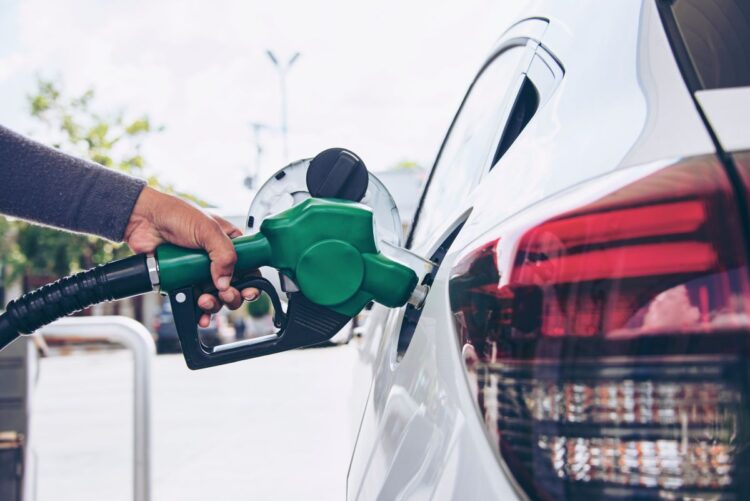
Fuel for motorists is another immediate worry. Petrol and diesel prices at the pump have already started creeping upwards, as crude costs flow through to wholesale fuel markets.

AD: Oysterian Sea Food Restaurant And Bar
Organisations like the RAC have noted notable increases in prices, with both petrol and diesel reaching levels that could become familiar if the conflict persists. Rising pump prices mean more out‑of‑pocket spending for commuters and families relying on cars for everyday travel.
But the implications extend beyond energy. Geopolitical instability tends to spook financial markets and investors, leading to volatility in stocks, bonds and other assets. In fact, recent trading sessions have seen sharp downturns in major indices, reflecting deep uncertainty about how long the conflict will last and how deeply it might disrupt global commerce.
Such volatility can affect retirement portfolios, investment accounts and even employer pension funds, especially for those with significant exposure to global markets.
On the domestic front, the war’s economic pressure has already begun to influence borrowing costs. Several major mortgage lenders in the UK have recently increased interest rates, a move that analysts have linked to the broader market unrest triggered by the Middle East conflict.
Swap rates a key benchmark used to price mortgages have risen as markets grapple with inflationary fears, leading banks to push up rates on new and existing mortgages. Higher borrowing costs mean that homeowners could pay more over the life of their loans, tightening budgets further.
Inflation is another key element. With energy costs potentially trending upward, economists are warning that consumer price inflation could climb higher than earlier forecasts, forcing central banks to hold off on cutting interest rates or even consider hikes as they seek to rein in price growth.
With savers, this might mean better returns on deposit accounts, but for borrowers and those on fixed incomes, the squeeze could be significant.
Meanwhile, supply chains the backbone of modern commerce are also feeling the strain. Disruption to shipping routes and rising freight costs may lead to increased prices for goods that pass through or near the Middle East. With luxury items like fragrances to agricultural inputs such as fertiliser, these secondary effects could filter through to supermarket shelves and day‑to‑day expenses.
The human element also matters. Wider economic unease tends to affect business confidence and hiring, making employment prospects less certain. During episodes of prolonged geopolitical tension, companies sometimes scale back investment and expansion plans, which can slow wage growth and limit opportunities for workers.
This is why some commentators are warning that the current situation bears shades of the economic dislocations seen in the 1970s, when conflicts in the Middle East contributed to stagnation and inflation a double squeeze on consumers.
There’s also a political angle. UK political leaders have started openly addressing the war’s economic implications. Sir Keir Starmer has warned that prolonged conflict could affect public finances and household budgets, even as he reassures that the economy remains resilient.
Such statements reflect growing concern at the highest levels about how extended geopolitical turmoil could influence national economic health.
In this rapidly evolving situation, there are no guarantees. Markets could stabilise if the conflict de‑escalates, supply lines reopen and confidence returns. In the meantime, keeping a close eye on how energy markets, inflation figures and interest rate expectations develop is crucial for anyone managing a household budget, planning for retirement, or considering major financial decisions.
Ultimately, the war in the Middle East serves as a stark reminder of how global events can swiftly influence personal finances from the price at the petrol pump to the cost of heating a home, from the value of investments to the cost of a mortgage. In a connected world, nothing happens in isolation, and the financial ripple effects of geopolitical conflict can stretch far beyond the frontlines.
While uncertainty remains high, the best defence for individuals may be financial preparedness: reviewing budgets, understanding exposure to market volatility, and being mindful of how global events could shape economic conditions at home. Keeping these broader forces in view, and understanding their potential impacts, can help people make more informed financial choices during turbulent times.
Financial preparedness begins with a clear understanding of one’s income and expenses. When conflicts or geopolitical tensions disrupt markets, it often translates into higher costs for everyday essentials, such as energy, fuel, and food. Households that track their spending closely are better positioned to adjust quickly, reallocating funds from discretionary spending toward essentials if prices spike.
Simple measures, like creating an emergency fund to cover several months of expenses, can provide a cushion against sudden financial shocks and reduce the pressure to borrow at high interest rates when costs rise unexpectedly.
Diversification is another key element of resilience. Investors and savers alike should consider how their assets are spread across different sectors, geographies, and financial instruments. Geopolitical instability in a region like the Middle East can affect global energy markets, commodities, and even international equities.
Those with concentrated exposure in affected areas may see greater volatility in their portfolios. By diversifying holdings, individuals can reduce the risk of a single global event severely impacting their overall financial health.
Awareness of debt and borrowing costs is equally critical. Interest rates can fluctuate in response to market turbulence, and loans, mortgages, or credit card balances can become more expensive if rates rise. Individuals should regularly review their borrowing arrangements, lock in fixed rates where possible, and avoid taking on unnecessary debt during uncertain periods.
Finally, staying informed is perhaps the most effective strategy. Reliable news sources, economic analysis, and guidance from financial advisors can help individuals anticipate trends and act proactively.
In a connected world, global events ripple quickly through domestic economies, but those who remain attentive and prepared can protect their finances, making strategic decisions that turn uncertainty into opportunity.

AD: Heritage And Restaurant Lounge Bar