
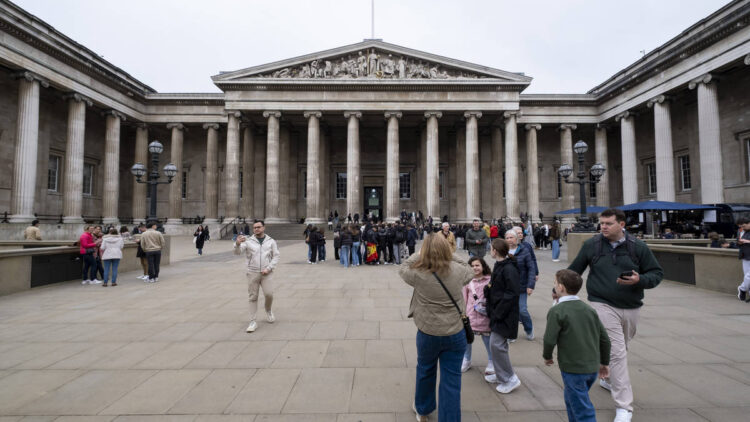
In recent months, cracks have begun to show in a system once heralded as a symbol of democratic access to art, history and science. The National Gallery in London revealed a looming £8.2 million deficit that threatens public programmes and international loans of artwork, reigniting discussions about the sustainability of free entry.
Government grants, which once helped plug gaps in museum budgets, have struggled to keep pace with rising operating costs, post‑pandemic financial shortfalls and more stringent ethical guidelines about donations.
Against this backdrop, some influential voices from cultural leaders to economists have floated a provocative solution. This proposed solution is to charge tourists to enter the UK’s most iconic museums. Proponents of this idea argue that overseas visitors, who make up a large portion of museum footfall, should contribute directly to the cost of preserving priceless collections and maintaining world‑class facilities.

AD: Capeesh Restaurant
After all, most major museums in Europe and the United States charge admission, and their ticket revenues help fund preservation, expansion and innovation.
However, critics warn that the implications of levying entry fees are more complex than a simple price tag at the door. Many defenders of free access argue it remains a founding principle of British culture, akin to free libraries something that enriches citizens and visitors alike and should not be behind a paywall.
They caution that charging at the point of entry could dampen attendance, especially from those who come for educational visits or casual cultural outings, and could undermine the inclusive spirit that has long defined Britain’s public museums.

AD: Oysterian Sea Food Restaurant And Bar
At institutions like the Tate and the National Portrait Gallery, the financial model has already shifted toward a hybrid system: free permanent collections funded by government support and generous donors, paired with ticketed blockbuster exhibitions that draw crowds for a price.
But while these temporary shows bring in significant revenue, they don’t cover soaring maintenance costs or long‑term institutional needs. Government core funding for arts and cultural organisations has fallen significantly over the past decade, and visitor numbers have been uneven, creating a precarious fiscal landscape.
Supporters of tourist entry fees argue that this could help align the UK with international norms. France’s world‑renowned Louvre museum, for example, raises substantial funds through ticket sales from foreign visitors revenue that has partly financed major renovations.
This model, advocates say, would reduce the burden on the British taxpayer while still preserving access for residents. Some voices in the debate suggest the possibility of differentiated pricing, where domestic visitors continue to enter free or at reduced rates, while overseas tourists pay a modest fee, similar to systems in other popular cultural capitals.
But opponents insist that free access is an integral part of the mission of national museums. A leading cultural policy expert recently warned that imposing entry charges would risk creating a form of “border control” within Britain’s cultural landscape, setting up a barrier between people and shared heritage.
The British Museum, the first national public museum in the world when it opened its doors in 1759, has maintained it has “no plans” to introduce general entry fees, reaffirming its commitment to universal accessibility.
The debate extends beyond London and the major national galleries. Across the country, smaller museums are experimenting with different approaches to survive. Some regional venues have introduced modest admission charges or seasonal tickets, while others rely increasingly on donations, events, commercial partnerships and volunteer support to stay afloat.
In Oxford, a city institution recently shifted from a “pay what you can” model to a modest fixed fee for adults as a way of bolstering income in the face of persistent funding shortfalls.
Yet for many community advocates and cultural workers, the heart of the issue remains access. They argue that introducing fees, even for tourists, could have unintended consequences: dampening overall visitor numbers, reducing income from gift shops and cafes, and eroding the public encounter with art and history that defines the UK’s cultural identity.
What’s Next For British Museums
With the sector navigating this funding crunch, political figures and local leaders are weighing alternatives to door fees. One proposal gaining traction is a tourist levy a small nightly charge on hotel stays or additional city taxes on short‑term visitors with the revenue ring‑fenced specifically for cultural institutions.
Proponents say this would generate significant funding without turning museums themselves into pay‑to‑enter venues, and could mirror similar systems implemented across Europe.
Museums’ own leadership voices appear divided. While some have embraced fundraising initiatives, membership schemes, and corporate sponsorships to diversify income, others have emphasised the irreplaceable value of free entry as a public good something that fosters education, community engagement and national pride.
While debates continue behind closed doors in government ministries, museum boardrooms and cultural forums, the public has also taken to social media to voice strong opinions.
On platforms like Reddit, users debate the merits of charging tourists weighing the fairness of spreading costs versus the risks of diminishing cultural participation and crowding out local visitors with fees. Some argue tourists should contribute proportionately to upkeep, while others fear that fees would ultimately make arts access more exclusive rather than more sustainable.
What is clear is that Britain’s free‑entry tradition, once considered untouchable, is now firmly in the spotlight. Whether a transition to selective pricing, broader tourist levies, or renewed public investment will prevail remains uncertain. But the stakes are high: these institutions preserve world heritage, nurture creativity, and form a cornerstone of Britain’s global cultural reputation.
How the nation chooses to fund them may very well redefine who gets to walk through their doors in the decades ahead. Beyond the immediate financial calculus, there is a deeper question about the role of museums in society. They are not merely repositories of art, history, and science; they are spaces for learning, inspiration, and shared cultural experience.
Introducing fees, even selectively, risks creating an invisible barrier that could shape who feels welcome, who can explore, and who is excluded. The debate also raises ethical and philosophical questions about the responsibility of governments, private donors, and visitors themselves in sustaining public institutions.
With technology, tourism patterns, and urban development evolve, museums must balance financial sustainability with accessibility, ensuring that future generations inherit not just well‑preserved collections, but a culture of inclusivity. The decisions made in the coming months and years will ripple far beyond ticket prices they will define the very character of Britain’s cultural landscape.

AD: Heritage And Restaurant Lounge Bar