
By Charlotte Webster-
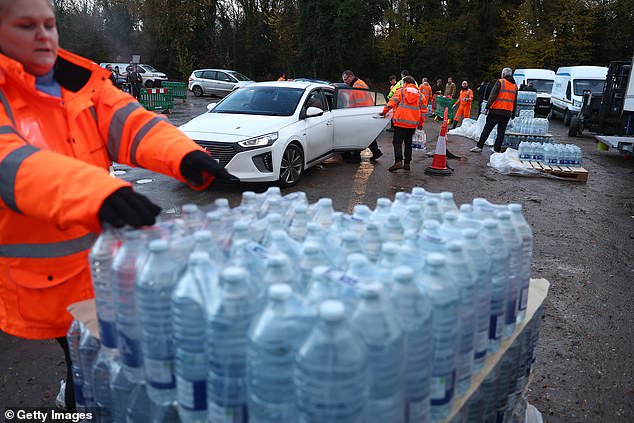
In one of the most serious regulatory actions in the UK water sector in years, South East Water has been hit with a proposed £22 million fine by industry watchdog Ofwat, following repeated and widespread failures in its water supply system. The penalty, announced on Thursday, comes after a series of outages between 2020 and 2023 left hundreds of thousands of households in Kent and Sussex without reliable access to clean water. This latest enforcement action, which has sparked political and consumer anger, puts fresh pressure on the company and raises broader concerns about the state of water infrastructure and oversight in England and Wales.
The fine highlights deep‑seated issues in how South East Water has managed critical resources, particularly at times of heightened demand or extreme weather. Residents affected by the outages reported being unable to use basic services from washing and cooking to flushing toilets during prolonged interruptions. Ofwat’s interim chief executive, Chris Walters, described the company’s failures as significant, causing “major disruption” and falling short both in planning and in support for customers who lost water.

AD: Capeesh Restaurant
As the regulator consults on the fine, the spotlight is also turning to how water companies balance infrastructure investment with customer service, resilience to climate challenges, and accountability for repeated service breakdowns. These debates are taking place against the backdrop of rising bills, controversial industry performance, and other water sector controversies that have dominated headlines over recent months.
The proposed £22m sanction follows years of mounting supply issues. According to regulators, more than 286,000 people across Kent and Sussex experienced multiple supply interruptions over the three‑year period under review.
These repeated outages revealed that South East Water “lacked ownership” of fixing the root causes, failed to maintain resilient systems, and did not plan adequately for periods of high demand a failure that was stark during heatwaves, freezing conditions and other extremes.

AD: Oysterian Sea Food Restaurant And Bar
After outages earlier this year and late in 2025 including a prolonged disruption in Tunbridge Wells where thousands went days without water community groups and local politicians demanded urgent action. One campaign in Tunbridge Wells called for the immediate removal of the company’s chief executive amid frustration over service delivery in recent months.
Critics argue that systemic under‑investment in infrastructure lies at the heart of the crisis. Engineers and consumer advocates have highlighted inadequate storage capacity, obsolete pipes and treatment works, and slow emergency responses when systems fail.
To many customers, water isn’t simply a utility it’s an essential public service, and interruptions are seen not just as inconvenient, but as posing real health and hygiene risks.
The regulatory scrutiny comes amid wider questions about how water companies operate as private entities with public service obligations. Some commentators suggest that penalties even substantial ones may ultimately be passed on to customers through higher bills, leading to debates over whether fines genuinely improve service or simply add to consumer costs.
Indeed, customers in the region have already been bracing for price increases. Some reports suggest that annual bills could rise by around 7% in April 2026, adding strain to household budgets as residents contend with the fallout of repeated supply failures.
The South East Water fine is part of a broader pattern of regulatory action across the UK water industry, where companies are facing heightened scrutiny over performance, safety and environmental impact.
Just days before the South East Water penalty was announced, another major provider, South West Water, admitted in court that it supplied water unfit for human consumption in Brixham, Devon, after a cryptosporidium parasite outbreak in 2024 that led to dozens of illnesses and widespread boil‑water notices. That case, prosecuted by the Drinking Water Inspectorate, is set to be sentenced in June and could result in a substantial fine as well.
The problems at South West Water and South East Water are fuelling calls from some MPs and consumer groups for tougher regulation, real accountability, and potentially even rethinking how water services are delivered. Environmental campaigners argue that the frequent failures whether in supply or in quality undermine public confidence and reflect long‑standing neglect of ageing infrastructure.
Meanwhile, Thames Water and other major players have faced their own enforcement actions. Last year, Thames Water was fined a record penalty for breaches over sewage discharges and other regulatory failures, underscoring that problems are not isolated but systemic across multiple companies.
Public debate over water industry reform has intensified, with some advocating for renationalisation of water services to ensure infrastructure investment and customer welfare take precedence over shareholder returns. Others believe stronger regulatory teeth and stricter performance targets could force improvements while keeping the sector within a private framework.
In Parliament, questions are mounting about whether current enforcement mechanisms are sufficient. Critics say that fines, unless paired with enforceable turnaround plans, are merely a cost of doing business for companies that treat penalties as a manageable expense rather than a deterrent.
South East Water itself is challenging the fine, having filed for a judicial review of Ofwat’s draft decision and sought an injunction that was not granted. The company says it intends to make a detailed response to the consultation on the penalty and work toward addressing the regulator’s concerns.
To customers who have lived through repeated days without tap water, the legal and regulatory wrangling may feel remote. Their immediate concerns are day‑to‑day: ensuring reliable supply, fair billing and genuine improvements in service.
While the consultation on the £22m fine continues until April, and as the industry grapples with multiple enforcement headlines, confidence in the UK’s water system remains strained.
Amid these challenges, the question of water resilience how companies prepare for and respond to droughts, floods, and infrastructure failure has never been more urgent. With climate change expected to increase pressure on water resources and systems, regulators, companies and communities alike agree that business as usual may no longer be an option.
For now, residents of Kent and Sussex are watching closely, hopeful that this high‑profile regulatory action could mark the beginning of real change rather than yet another chapter of service breakdowns and bureaucratic dispute.

AD: Heritage And Restaurant Lounge Bar