
By Lucy Caulkett-
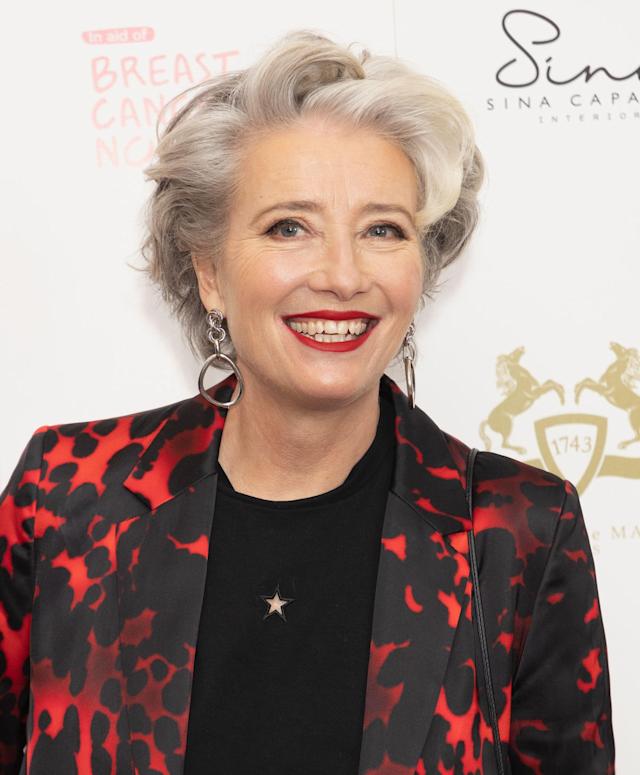
In a high‑profile show of support in the run‑up to International Women’s Day, Dame Emma Thompson has joined more than 60 actors, musicians and cultural figures in backing a major funding appeal aimed at tackling gender‑based violence around the world. The campaign, spearheaded by global feminist organisation The Circle, seeks to galvanise public and private support to sustain and expand services for survivors, promote prevention programmes and confront the culture of silence that surrounds violence against women and girls. The initiative has drawn widespread media coverage and sparked fresh conversation about how society responds to one of its most enduring and damaging injustices.
At its core, the appeal known by the hashtag #MakeAStandfor1in3 spotlights stark statistics highlighting that one in three women worldwide is likely to experience physical or sexual violence in her lifetime. Organisers and celebrity supporters alike argue that, without adequate funding, organisations working on the ground to protect, support and empower survivors face severe constraints.

AD: Capeesh Restaurant
Emma Thompson, whose long career in film and activism has often intersected with issues of social justice, is among the signatories of an open letter calling for sustained investment in services that can respond to the crisis.
Alongside Thompson are performers like Chappell Roan, author Sir Stephen Fry, veteran entertainer Annie Lennox co‑founder of The Circle and other prominent figures lending their voices to the campaign.
“We must not allow progress to slip into reverse,” Lennox said at the campaign’s launch. “These are real people, not just numbers.” Her organisation emphasises that funding cuts and shrinking budgets have threatened the continuity of critical services that help survivors rebuild their lives.

AD: Oysterian Sea Food Restaurant And Bar
The celebrity coalition has helped thrust gender‑based violence back into the news cycle, drawing attention not just to fundraising goals but to systemic issues that activists and survivors have long highlighted. Ahead of International Women’s Day on 8 March, media outlets have amplified voices from many sectors, showcasing both the scale of the problem and the urgency of action.
Campaigners argue that public discourse must extend beyond awareness to tangible commitments from government funding to corporate responsibility and educational reform. Discussions in recent months have emphasised the importance of trauma‑informed services, legal support for survivors and preventive work with young people to address the cultural roots of violence.
A recent Falkirk Council motion urging action against the “epidemic of violence” against women and girls reflects growing recognition within local government of the pressures shaping public safety and support services.
The appeal also arrives amid ongoing policy debates about how to best resource responses to gender‑based violence. Charities such as Refuge, the UK’s largest specialist domestic abuse organisation, continue to campaign for better government support, helplines and shelters for women and children fleeing violent homes.
Supporters of the campaign stress that the issue is global in scope. In many parts of the world, under‑resourced services struggle with chronic funding gaps while demand for support rises, particularly in conflict zones and communities facing economic instability.
Human rights advocates like those at Amnesty International have pointed out that violence against women remains a pervasive threat to women’s safety and equality everywhere, reinforcing the need for collective action.
Despite the resonance of the celebrity‑backed campaign, some commentators caution that media attention should not eclipse the work of smaller grassroots organisations whose efforts on the ground are indispensable.
Others raise questions about ensuring that pledged funds are directed effectively, with transparent mechanisms for tracking impact and outcomes. Campaign leaders have responded that accountability and partnership with established organisations are central to their strategy, and that the publicity surrounding the appeal can generate momentum for broader systemic change.
Across social media, support for the campaign has been visible, with hashtags trending on platforms and public figures sharing personal stories and resources. These online conversations have connected survivors, allies and advocates, helping to reduce stigma and build community around a deeply personal issue.
Yet not all reactions have been supportive. Some analysts argue that celebrity involvement can sometimes oversimplify complex problems or divert attention from sustained policy work. Others note that meaningful improvements will depend not just on fundraising but also on legislative reform and institutional accountability that address the root causes of violence and inequality.
In the UK, policymakers have recently introduced a suite of measures aimed at strengthening support for survivors. According to advocacy groups, the government’s strategy for tackling violence against women and girls includes significant investment in NHS support, specialist referral services and expanded protections through the legal system, representing one of the most ambitious efforts to date.
Still, many activists insist the fight is far from over. They argue that violence against women and girls persists across social, economic and cultural lines, and that only sustained, coordinated action can begin to dismantle the structures that perpetuate harm.
Campaigners behind the #MakeAStandfor1in3 appeal stress that awareness is only the first step. Funding, they say, must be paired with policy change, education reform and community engagement if progress is to be lasting.
Supporters want to see funding directed not just to crisis response but to preventive work that addresses harmful gender norms and equips young people with tools to form healthy relationships.
One focus of the appeal is strengthening grassroots partners in regions where resources are most limited. These organisations provide a range of services from emergency shelter and legal aid to counselling, economic empowerment programmes and advocacy for policy reform.
The coalition has also called for greater collaboration between governments, non‑profits and private sector donors to scale up impact and sustain long‑term efforts. They argue that public awareness campaigns, survivor‑centred legal reform and community education should be integrated into national strategies to end gender‑based violence.
At the launch event, Thompson underscored that while individual contributions matter, structural change is key. “This campaign is about more than money,” she said. “It’s about shifting the narrative around gender‑based violence and demanding that governments and institutions take responsibility for protecting women and girls.”
While donations continue to flow in and the conversation evolves, the appeal’s backers are hopeful that the heightened attention will help sustain pressure on policymakers and funding bodies. Whether it’s through expanded shelters, improved helplines, educational programmes in schools or international collaborations, they argue that building a safer world requires public engagement at every level.
With the survivors, the renewed focus and resources offer hope that their experiences will be met with action not just words. And as the campaign moves forward, its success may well be measured not only in pounds raised but in real‑world improvements in services and protections for those affected by gender‑based violence.

AD: Heritage And Restaurant Lounge Bar