
By Isabelle Wilson-
In recent years, advocates and rights groups hailed a series of legal victories in El Salvador as fragile signs that the country’s draconian anti‑abortion law might finally loosen its grip. Dozens of women once imprisoned after losing pregnancies, and charged with aggravated homicide under the nation’s total abortion ban were freed, prompting hopes that entrenched punitive policies were unraveling. Yet fresh evidence suggests that progress has stalled and, in some respects, is reversing, leaving women vulnerable to prosecution and plunging reproductive rights deeper into crisis.
Since 1998, El Salvador has enforced one of the toughest abortion regimes in the world. The legal code criminalises all terminations even in cases of rape, incest, severe fetal anomaly or life‑threatening pregnancy complications and allows for charges of aggravated homicide, punishable by decades in prison when a pregnancy ends in miscarriage or stillbirth.

AD: Capeesh Restaurant
Campaigners, including the Citizens’ Group for the Decriminalisation of Abortion, have reported that many of the women prosecuted come from poor and rural communities, where limited access to healthcare and legal defence compounds the risks they face under the law.
Medical staff, often fearing their own prosecution, may alert police when a woman arrives in hospital suffering obstetric complications a practice that human rights advocates say creates a climate of “guilty until proven innocent.”
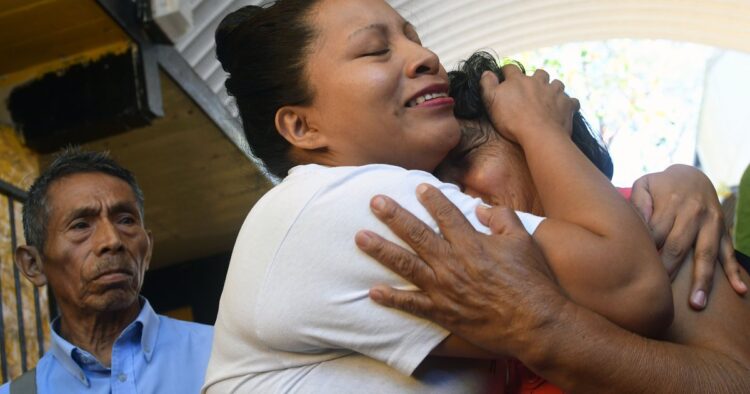
Among the emblematic victories in recent years was the release of María Teresa Rivera, who was sentenced to 40 years’ imprisonment after a miscarriage in 2011 and later won her freedom after a court overturned her conviction; she has since sought asylum in Sweden and become a vocal advocate for reproductive rights.

AD: Oysterian Sea Food Restaurant And Bar
Yet even as a handful of individual cases have seen retrials or sentence reductions, the broader trend remains troubling. Rights groups note that at least 17 women are still in prison without having received due process, while others have seen convictions upheld or retrials stalled.
Observers and legal experts say that the situation is shaped by a larger political context in El Salvador, where emergency powers and shifts in judicial practice have eroded confidence in the rule of law.
Under the government of President Nayib Bukele, courts and security forces have wielded emergency powers that rights advocates argue have diluted protections for defendants and made it harder to contest charges tied to pregnancy outcomes.
At the same time, organisations campaigning for abortion law reform have faced legal dissolution, with leaders warning that the political climate has become “incompatible” with their work.
Cases featured in international outlets such as those over the years underscore the human toll of these legal battles. Women like “Manuela”, who was jailed after suffering a miscarriage and later died in detention after being denied adequate care, have become symbols of systemic failure and injustice, prompting rulings from the Inter‑American Court of Human Rights that El Salvador violated their basic rights.
Critics point out that while individual releases attract headlines, the law itself has not changed. The blanket ban remains in place, and healthcare providers continue to operate under fear of punitive reprisals. Doctors and hospital staff have testified that they sometimes hesitate to offer full care to women with pregnancy complications, fearing that their reports could trigger criminal investigations.
International bodies including Amnesty International have decried the continued incarceration of women who have suffered pregnancy loss, describing the policies as not just discriminatory but “institutionalised violence” that violates human rights standards.
Medical and legal experts argue that punitive approaches do nothing to improve maternal health and instead create a chilling effect on women seeking essential medical help.
The uneven nature of recent legal outcomes highlights the fragility of reform efforts. While some women have been freed or had sentences commuted after years in prison, others see their appeals rejected or retrials delayed, leaving families in prolonged limbo.
El Salvador’s legal stance sits in stark contrast with broader reproductive policy movements across Latin America. Countries from Argentina to Mexico have enacted reforms expanding access to safe abortion and reducing penalties for women and healthcare providers.
Yet El Salvador remains among a small group of nations, including Honduras and Nicaragua, that continue to enforce total bans with harsh criminal sanctions.
Activists argue that the persistence of such stringent laws not only undermines women’s health and autonomy but also isolates the country from regional trends towards decriminalisation and harm‑reduction in reproductive healthcare.
Human rights lawyers warn that without substantive legal reform, future generations of women could still face prosecution simply for experiencing a miscarriage or seeking medical care.
While El Salvador grapples with these legal and political tensions, the stories of those imprisoned and those who have won freedom continue to fuel international calls for change, while exposing the limits of progress under a legal system that still treats pregnancy loss as a criminal act.
Rights activists point to ongoing cases such as Esme, a woman sentenced to 30 years in prison after a miscarriage, illustrating how the ban on abortion can translate natural obstetric emergencies into charges of “aggravated homicide.”
Human rights organisations, have repeatedly documented how such prosecutions disproportionately impact poor and marginalised women, often after hospital staff report them to police instead of providing care.
Those campaigns have secured releases for some including women like María Teresa Rivera, who was freed after years behind bars and later sought asylum abroad but many others remain incarcerated under unchanged law.
International pressure has also taken legal form: bodies like the Inter‑American Court of Human Rights have ruled that El Salvador violated key rights by denying critical reproductive healthcare and failing to establish protections for women’s health and legal certainty.
Yet even as global debates including shifts in abortion policy in places like the UK and beyond underscore the human costs of criminalisation, the Salvadoran statute remains firmly in place, a stark reminder of how far advocates say the nation still has to go.

AD: Heritage And Restaurant Lounge Bar